Password security is a critical aspect of online safety, and emojis can be used in creative ways to remind ourselves and others about the importance of strong passwords and secure practices. While emojis can't replace robust security measures, they can serve as visual cues and lighthearted reminders to stay vigilant. This guide explores how to use emojis to represent different aspects of password security, from creating strong passwords to avoiding phishing scams. We'll delve into the meanings of various emojis, their cultural context, and how to use them effectively in messages and reminders. Remember, emojis are a fun way to engage with the topic, but always prioritize real-world security measures like using password managers and enabling two-factor authentication. Let's explore how to use these little icons to promote a safer online experience for everyone.
Emojis can be used to represent various aspects of password security, such as the complexity of a password, the act of locking accounts, and the dangers of phishing. For example, a combination of letters, numbers, and symbols can visually represent a strong password. A padlock emoji symbolizes locked accounts and secure access. A fishing hook emoji can represent phishing attempts. When using emojis in the context of password security, it's important to be clear and concise to avoid confusion. Emojis can be incorporated into messages, reminders, and even educational materials to make the topic more engaging and accessible. However, remember that emojis are not a substitute for actual security measures. Always prioritize using strong, unique passwords, enabling two-factor authentication, and being cautious of suspicious emails and links.
18+Emoji
8Messages
5Tips
⚡
Quick Copy
Copy most popular emojis with one click
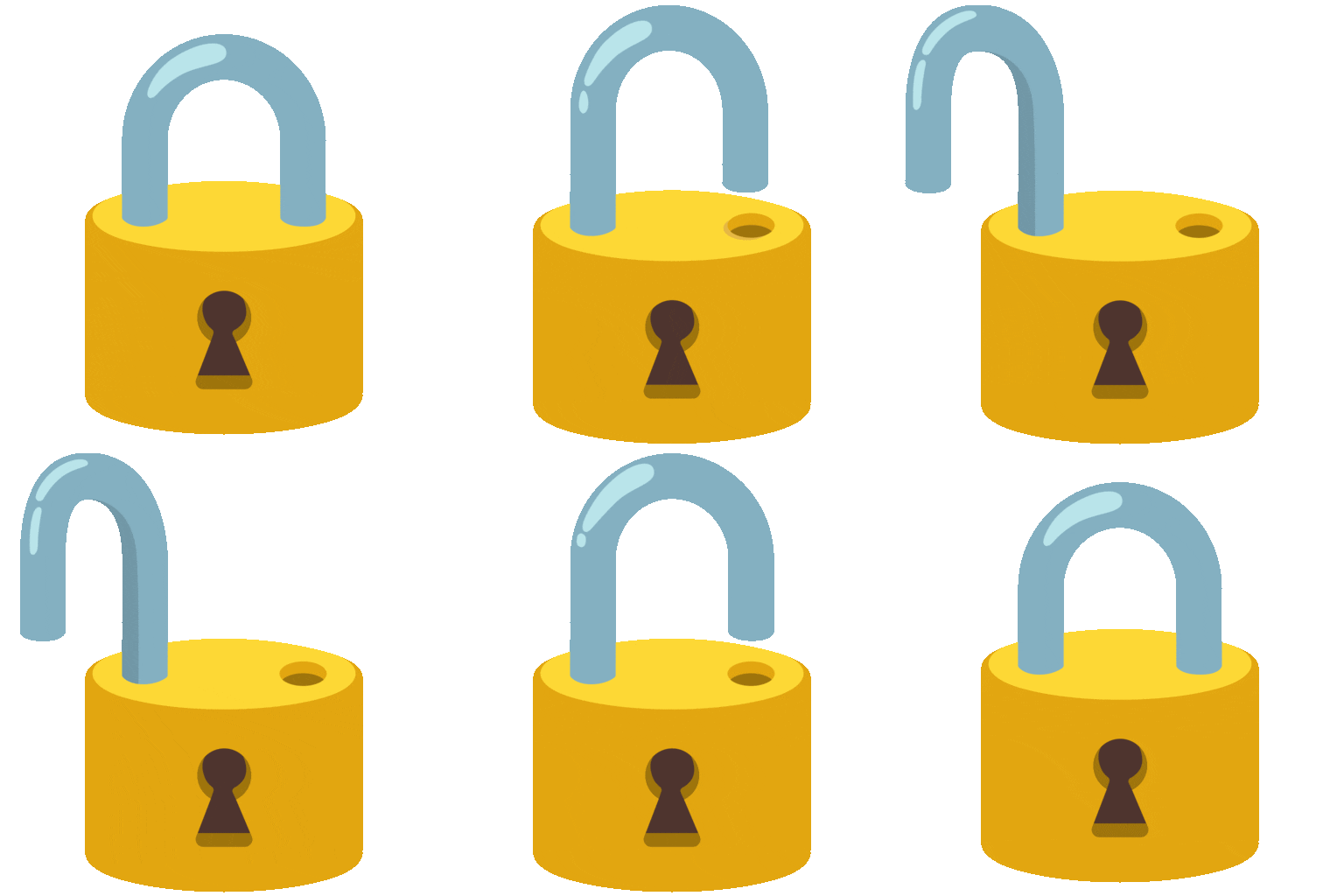
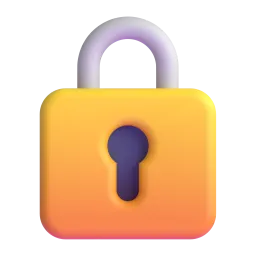
🔒
Locked
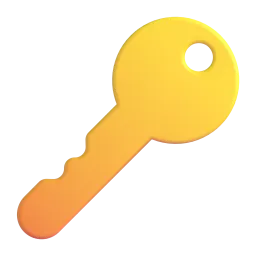
🔑
Key
🛡️
Shield
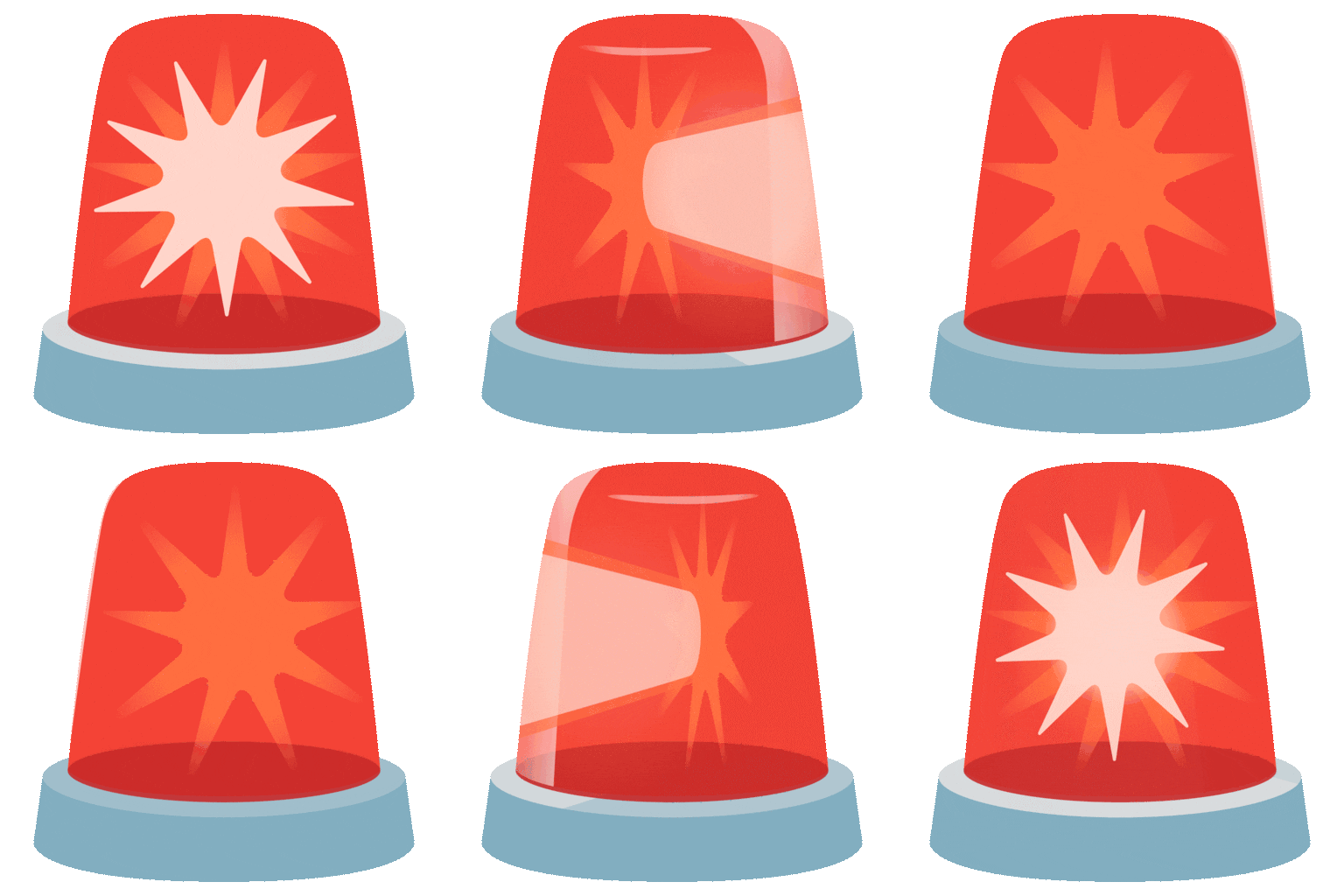
🚨
Alarm
🎣
Fishing Hook
🤔
Thinking Face
✅
Check Mark
❌
Cross Mark
🤖
Robot
👀
Eyes
🧪 Emoji Mashups (Emoji Kitchen)
Fun mashups created by combining Password Security emojis with Emoji Kitchen. Download and use them freely.
Help grow the Password Security collection! Suggest emojis or symbols you think are missing and contribute to the community.
💡 Missing an emoji/symbol?
📖
Meaning & Usage
🔒
Locked
Represents a locked account or secure access. It's commonly used to indicate that something is protected or private. On different platforms, the lock design varies, with some showing a more modern padlock and others a traditional one.
🔑
Key
Symbolizes access or unlocking something. It can represent gaining entry to an account or system. The key's design differs across platforms, from simple metal keys to more ornate, antique-looking ones.
🛡️
Shield
Represents protection and security. It can be used to indicate that a system or account is well-defended. The shield's appearance varies, with some showing a classic medieval shield and others a more modern, stylized design.
🚨
Alarm
Indicates a warning or alert. It can be used to signal a potential security threat or breach. The alarm emoji usually depicts a flashing siren or a red light.
🎣
Fishing Hook
Represents phishing attempts, where someone tries to trick you into giving up your personal information. It's a visual reminder to be cautious of suspicious emails and links. The hook design is consistent across platforms.
🤔
Thinking Face
Represents careful consideration and questioning. Use it to show you're thinking critically about a potential security risk or password choice. The expression is generally the same across platforms, showing a thoughtful pose.
🤖
Robot
Can represent automated systems or bots, which can be used for both security and malicious purposes (e.g., botnets). The robot design varies significantly across platforms, from cartoonish to more realistic.
📱
Platform Appearances
🔒 Locked
Google NotoApache 2.0
Twitter/XCC-BY 4.0
Noto AnimatedApache 2.0
Fluent 3DMIT
OpenMojiCC BY-SA 4.0
🔑 Key
Google NotoApache 2.0
Twitter/XCC-BY 4.0
Fluent 3DMIT
OpenMojiCC BY-SA 4.0
🛡️ Shield
Google NotoApache 2.0
Twitter/XCC-BY 4.0
🚨 Alarm
Google NotoApache 2.0
Twitter/XCC-BY 4.0
Noto AnimatedApache 2.0
Fluent 3DMIT
OpenMojiCC BY-SA 4.0
🎣 Fishing Hook
Google NotoApache 2.0
Twitter/XCC-BY 4.0
Noto AnimatedApache 2.0
Fluent 3DMIT
OpenMojiCC BY-SA 4.0
🤔 Thinking Face
Google NotoApache 2.0
Noto AnimatedApache 2.0
Fluent 3DMIT
OpenMojiCC BY-SA 4.0
ℹ️ All images shown are from open-licensed sources (Apache 2.0, MIT, CC-BY 4.0, CC BY-SA 4.0) and are free to use.
💬
Ready Messages
Copy and share
Make sure your password is super strong! 💪 Use a mix of letters, numbers, and symbols! 🔒
Be careful of phishing emails! 🎣 Don't click on suspicious links! 🤔
Enable two-factor authentication for extra security! ✅ It's like having a double lock! 🔒🔒
Time to update your password! ⏰ Make it unique and hard to guess! 🔑
Keep your passwords safe and secure! 🛡️ Don't share them with anyone! 🤫
Is that email legit? 🤔 Double-check the sender before clicking! 📧
Password security is serious business! 🚨 Stay vigilant and protect your accounts! 🔒
Using a password manager is a great way to keep track of your passwords! 🤖🔑
🎨
Related Emojis
💻
Devices
✉️
Communication
🔏
Privacy
⚙️
Settings
🌐
Internet
👤
User
💰
Finance
🔑
Access
💡
Usage Tips
🎯
Use a Password Manager
Password managers generate and store strong, unique passwords for all your accounts. This significantly reduces the risk of password reuse and makes it easier to manage your online security. Consider using a reputable password manager app on your phone and computer.
🎯
Enable Two-Factor Authentication
Two-factor authentication (2FA) adds an extra layer of security to your accounts. Even if someone knows your password, they'll need a second factor (like a code from your phone) to log in. Enable 2FA wherever possible, especially for important accounts like email and banking.
🎯
Be Wary of Phishing
Phishing attempts are designed to trick you into giving up your personal information. Be cautious of suspicious emails, links, and attachments. Always verify the sender's identity before clicking on anything. Hover over links to see the actual URL before clicking (on desktop).
🎯
Create Strong Passwords
Use a combination of uppercase and lowercase letters, numbers, and symbols. Avoid using personal information like your name or birthday. The longer the password, the better. Aim for at least 12 characters. Test your password strength online.
🎯
Update Regularly
Change your passwords regularly, especially for important accounts. If you suspect your account has been compromised, change your password immediately. Set reminders to update passwords every few months.
🔗
Similar Combinations
Discover more emoji combinations related to Password Security