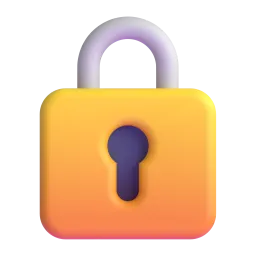
Email security is a critical aspect of online communication, protecting sensitive information from unauthorized access and cyber threats. Emojis can be used to visually represent various aspects of email security, from encryption and firewalls to phishing attempts and virus scans. This guide explores how to effectively use emojis to communicate about email security in a clear, concise, and engaging manner. Understanding the nuances of each emoji and its potential interpretations is crucial for ensuring your message is accurately conveyed. Whether you're raising awareness about phishing scams or celebrating a successful security update, emojis can add a layer of personality and clarity to your communication.
Using emojis in email security discussions can help make complex topics more approachable and understandable. For example, a padlock emoji 🔒 can represent encryption, while a shield emoji 🛡️ can symbolize protection against threats. It's important to consider your audience and the context of your message when selecting emojis. Overusing emojis or using them inappropriately can detract from the seriousness of the topic. However, when used thoughtfully, emojis can enhance communication and promote a better understanding of email security best practices. This guide provides examples of how to use emojis effectively in various email security scenarios, offering tips on choosing the right emojis and crafting clear and concise messages.
Remember that emoji appearance can vary across different platforms and devices. An emoji that looks clear and informative on one device might appear differently on another. Always double-check how your emojis appear on different platforms to ensure your message is conveyed as intended. Consider using a combination of emojis and text to provide clarity and avoid misinterpretations. By following these guidelines, you can effectively use emojis to communicate about email security in a way that is both engaging and informative.
16+Emoji
8Messages
5Tips
⚡
Quick Copy
Copy most popular emojis with one click
🔒
Locked
🛡️
Shield
📧
Email
🚨
Alarm
🚫
Prohibited
⚠️
Warning
✅
Check Mark
🕵️
Detective
🧪 Emoji Mashups (Emoji Kitchen)
Fun mashups created by combining Email Security emojis with Emoji Kitchen. Download and use them freely.
Help grow the Email Security collection! Suggest emojis or symbols you think are missing and contribute to the community.
💡 Missing an emoji/symbol?
📖
Meaning & Usage
🔒
Locked
Represents encryption and secure communication. Use it to indicate that an email or data is protected from unauthorized access. On some platforms, it may appear as a padlock, while on others it might be a key.
🛡️
Shield
Symbolizes protection and defense against threats. Use it to indicate that an email or system is protected by a firewall or antivirus software. The design varies across platforms, with some showing a simple shield and others adding details like a cross or emblem.
📧
Email
Represents an email message. Use it to refer to email communication in general. The appearance is consistent across platforms, typically showing an envelope with an @ symbol.
🚨
Alarm
Indicates a security alert or warning. Use it to highlight potential threats or suspicious activity. The design usually features a flashing light or siren, making it easily recognizable.
🚫
Prohibited
Represents something that is not allowed or should be avoided. Use it to warn against clicking on suspicious links or opening attachments from unknown senders. It typically appears as a red circle with a diagonal line.
⚠️
Warning
Signals a potential danger or risk. Use it to caution users about phishing scams or malware threats. The design is usually a yellow triangle with an exclamation mark.
📱
Platform Appearances
🔒 Locked
Google NotoApache 2.0
Twitter/XCC-BY 4.0
Noto AnimatedApache 2.0
Fluent 3DMIT
OpenMojiCC BY-SA 4.0
🛡️ Shield
Google NotoApache 2.0
Twitter/XCC-BY 4.0
📧 Email
Google NotoApache 2.0
Twitter/XCC-BY 4.0
Fluent 3DMIT
OpenMojiCC BY-SA 4.0
🚨 Alarm
Google NotoApache 2.0
Twitter/XCC-BY 4.0
Noto AnimatedApache 2.0
Fluent 3DMIT
OpenMojiCC BY-SA 4.0
🚫 Prohibited
Google NotoApache 2.0
Twitter/XCC-BY 4.0
Fluent 3DMIT
OpenMojiCC BY-SA 4.0
⚠️ Warning
Google NotoApache 2.0
Twitter/XCC-BY 4.0
Noto AnimatedApache 2.0
OpenMojiCC BY-SA 4.0
ℹ️ All images shown are from open-licensed sources (Apache 2.0, MIT, CC-BY 4.0, CC BY-SA 4.0) and are free to use.
💬
Ready Messages
Copy and share
Be careful of phishing emails! 🎣 Don't click on suspicious links 🔗🚫.
Your email is now encrypted! 🔒 Your data is safe with us ✅.
Security update complete! 🛡️ Your system is now protected against the latest threats.
Suspicious email detected! 🚨 Do not open the attachment 🚫.
Remember to use a strong password! 💪🔒 Keep your account secure.
Is this email legitimate? 🕵️ Proceed with caution ⚠️.
New security features added! 🎉 Check them out to enhance your email protection 🛡️.
Report suspicious emails immediately! 📧🚨 Help us keep everyone safe.
🎨
Related Emojis
💻
Computer
📱
Mobile Phone
🌐
Globe with Meridians
🔑
Key
🔍
Magnifying Glass
⚙️
Gear
👤
Bust in Silhouette
📁
File Folder
💡
Usage Tips
🎯
Context is Key
Always consider the context of your message when using emojis. Ensure they accurately reflect the intended meaning and avoid ambiguity.
🎯
Platform Variations
Be aware that emojis can appear differently across different platforms. Test your messages on various devices to ensure they are displayed correctly.
🎯
Avoid Overuse
Using too many emojis can make your message look unprofessional and difficult to understand. Use them sparingly and strategically.
🎯
Combine with Text
Always use emojis in conjunction with text to provide clarity and avoid misinterpretations. Emojis should enhance your message, not replace it.
🎯
Accessibility
Consider users with visual impairments. Use alt text or descriptions for emojis to ensure your message is accessible to everyone.
🔗
Similar Combinations
Discover more emoji combinations related to Email Security