Light Bulb
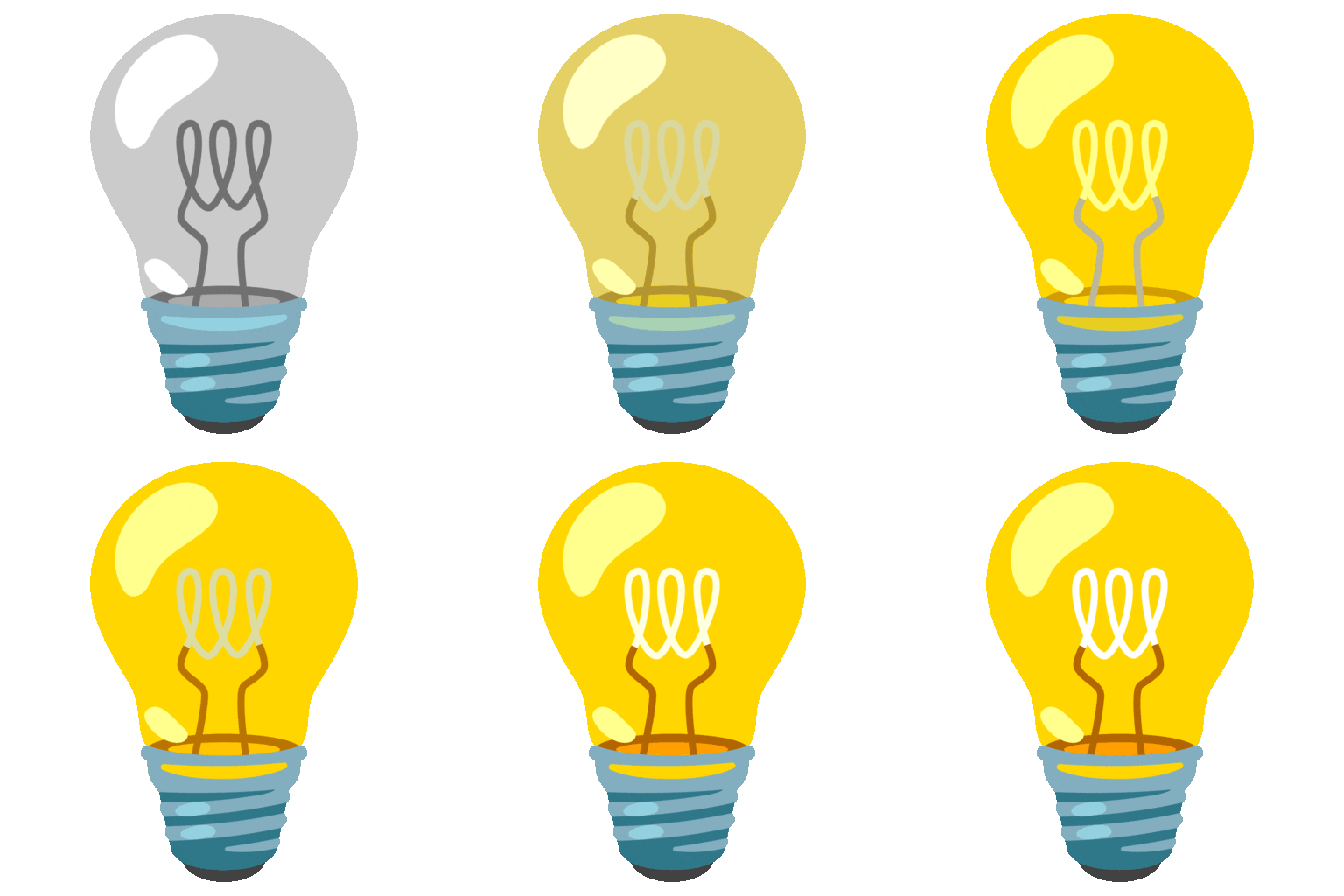
Represents ideas, innovation, and brainstorming. Use it to signify a new concept or a moment of inspiration. On some platforms, the light bulb appears more modern, while on others it has a more classic incandescent bulb look.
Design Thinking is a human-centered, iterative problem-solving approach. It emphasizes empathy, experimentation, and collaboration to create innovative solutions. When communicating about Design Thinking, emojis can help convey the different stages and concepts involved. From understanding user needs to brainstorming ideas and prototyping solutions, emojis can add visual clarity and emotional resonance to your messages. Using emojis can make the process seem more approachable and engaging, especially when working with diverse teams or explaining the methodology to newcomers. They can also highlight key aspects like creativity, teamwork, and user focus. This guide provides a selection of emojis to effectively communicate Design Thinking concepts.
Copy most popular emojis with one click
Fun mashups created by combining Design Thinking emojis with Emoji Kitchen. Download and use them freely.
Help grow the Design Thinking collection! Suggest emojis or symbols you think are missing and contribute to the community.
💡 Missing an emoji/symbol?
Represents ideas, innovation, and brainstorming. Use it to signify a new concept or a moment of inspiration. On some platforms, the light bulb appears more modern, while on others it has a more classic incandescent bulb look.
Represents the process of thinking, analyzing, and problem-solving. It can be used to show that you are considering different options or trying to understand a complex issue. The expression varies slightly across platforms, from a furrowed brow to a hand on the chin.
Represents collaboration, partnership, and agreement. Use it to emphasize teamwork and the importance of working together to achieve a common goal. The appearance of the handshake can vary, with some platforms showing different skin tones.
Represents sketching, drawing, and creating visual representations of ideas. Use it to highlight the prototyping or design phase. The pencil's orientation and style vary across platforms, but the meaning remains consistent.
Represents building, constructing, and implementing solutions. Use it to signify the practical application of ideas and the creation of tangible prototypes. The specific tools depicted can vary by platform.
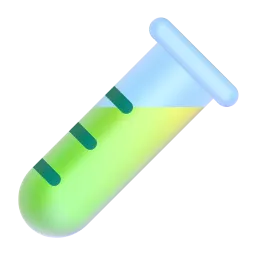
Represents experimentation, testing, and iteration. Use it to emphasize the importance of trying different approaches and learning from failures. The color and style of the test tube can differ across platforms.
Noto Animated
Apache 2.0
Noto Animated
Apache 2.0
Noto Animated
Apache 2.0
Noto Animated
Apache 2.0
Noto Animated
Apache 2.0
ℹ️ All images shown are from open-licensed sources (Apache 2.0, MIT, CC-BY 4.0, CC BY-SA 4.0) and are free to use.
Copy and share
Clearly define the problem you are trying to solve before using emojis to communicate the solution. This will help you choose the most relevant emojis.
Use emojis to highlight key points or stages in the Design Thinking process. This can make your messages more engaging and memorable.
Choose emojis that are appropriate for your audience and the context of your communication. Avoid using emojis that could be misinterpreted or offensive. Note that emoji rendering can vary across platforms (Apple, Google, Samsung, Microsoft, WhatsApp), so test your messages.
Combine emojis to create more complex and nuanced meanings. For example, you could use the thinking face emoji 🤔 with the light bulb emoji 💡 to represent brainstorming.
Avoid overusing emojis, as this can make your messages seem cluttered and unprofessional. Use them strategically to enhance your communication, not distract from it.
This content was created with AI technology, enriched with Unicode Consortium data and community contributions. AI Disclosure →