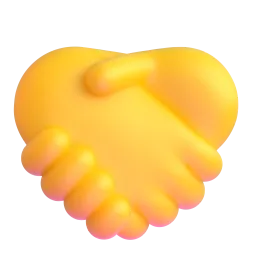
Handshake Emoji
Represents agreement, partnership, or reconciliation. Use it to signify a deal or a resolution to a conflict. On some platforms, the handshake may appear with different skin tones, allowing for representation of diversity.
Navigating disagreements and finding common ground is a crucial part of human interaction, and emojis can play a surprising role in softening the tone and clarifying intentions. This guide explores how to use emojis effectively in conflict resolution, whether it's in personal relationships, professional settings, or online discussions. We'll delve into the nuances of emoji meanings, cultural considerations, and practical tips for using them to de-escalate tension, express empathy, and facilitate understanding. From conveying sincerity to adding a touch of humor, emojis can be powerful tools for bridging divides and fostering positive communication. However, it's essential to use them thoughtfully and be aware of potential misinterpretations, as context and audience are key to successful emoji communication. This guide provides a comprehensive overview of emojis that can aid in conflict resolution, offering examples of how to use them in various scenarios and highlighting the importance of emotional intelligence in digital interactions.
Copy most popular emojis with one click
Fun mashups created by combining Conflict Resolution emojis with Emoji Kitchen. Download and use them freely.
Help grow the Conflict Resolution collection! Suggest emojis or symbols you think are missing and contribute to the community.
💡 Missing an emoji/symbol?
Represents agreement, partnership, or reconciliation. Use it to signify a deal or a resolution to a conflict. On some platforms, the handshake may appear with different skin tones, allowing for representation of diversity.
Symbolizes peace, harmony, and goodwill. It's often used to express a desire for an end to conflict or to represent a peaceful solution. The dove is a universally recognized symbol of peace, making it easily understood across cultures.
Can represent prayer, gratitude, or a plea for understanding. In a conflict resolution context, it can be used to express sincerity and a desire for resolution. Be mindful that in some cultures, it can also be interpreted as a greeting or a sign of respect.
Conveys friendliness, sincerity, and a positive attitude. Use it to soften the tone of a message and show that you're approaching the conflict with goodwill. However, avoid overuse, as it can sometimes be perceived as insincere if used excessively.
Represents contemplation, consideration, or a willingness to understand the other person's perspective. Use it to show that you're actively listening and trying to find a solution. It can also indicate that you need more time to process information.
Indicates agreement, approval, or understanding. Use it to acknowledge someone's point of view or to signal that you're on board with a proposed solution. Be cautious when using it in sensitive situations, as it can sometimes come across as dismissive.
Noto Animated
Apache 2.0
Noto Animated
Apache 2.0
Noto Animated
Apache 2.0
Noto Animated
Apache 2.0
Noto Animated
Apache 2.0
Noto Animated
Apache 2.0
ℹ️ All images shown are from open-licensed sources (Apache 2.0, MIT, CC-BY 4.0, CC BY-SA 4.0) and are free to use.
Copy and share
Be mindful of the recipient's personality and cultural background when using emojis. What might be appropriate in one context could be offensive in another. For example, using excessive emojis with a superior at work might be seen as unprofessional.
Emojis can help convey emotions and intentions that might be lost in text. A simple smiling face 😊 can make a message seem less confrontational. However, avoid using emojis to mask passive-aggressive behavior.
Too many emojis can be distracting and make your message seem less serious. Use them sparingly and strategically to enhance your communication, not to overwhelm it. A single, well-placed emoji can be more effective than a string of them.
Emojis can appear differently on different platforms (Apple, Google, Samsung, Microsoft, WhatsApp). What looks friendly on one device might appear sarcastic on another. Test your messages on different devices to ensure they're being interpreted as intended.
Emojis should complement your words, not replace them. Use them to add nuance and emotion to your message, but don't rely on them to carry the entire meaning. Always provide clear and concise explanations to avoid misunderstandings.
This content was created with AI technology, enriched with Unicode Consortium data and community contributions. AI Disclosure →