Stress relief is a universal need, and emojis can be a surprisingly effective way to communicate feelings of calm, relaxation, and the activities that help us unwind. This guide explores the emojis that best represent stress relief, from symbols of nature and peaceful activities to expressions of inner peace and self-care. Understanding the nuances of these emojis can help you express your needs, share your coping mechanisms, and connect with others who are also seeking moments of tranquility. Whether you're looking to share a relaxing activity, express your need for a break, or simply spread a little calm, these emojis can help you communicate your message effectively.
Emojis can also be used to create visual reminders of stress-reducing practices. For example, pairing the meditating person emoji with the yoga emoji and the bath emoji can serve as a personal checklist for a self-care routine. Sharing these combinations with friends and family can also encourage them to prioritize their own well-being. Remember that emoji appearances can vary slightly across different platforms (Apple, Google, Samsung, Microsoft, WhatsApp), so it's always a good idea to double-check how your message will appear on the recipient's device to ensure clarity and avoid misinterpretations. By using these emojis thoughtfully, you can create a more supportive and understanding digital environment for yourself and others.
16+Emoji
8Messages
5Tips
⚡
Quick Copy
Copy most popular emojis with one click
🧘
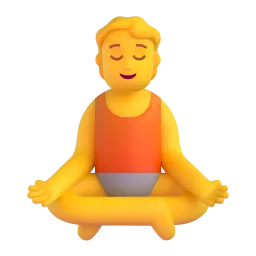
Person in Lotus Position
🛀
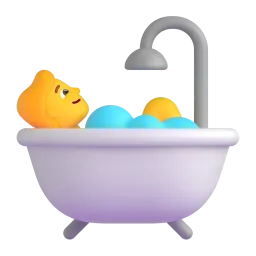
Person Taking Bath
🍵
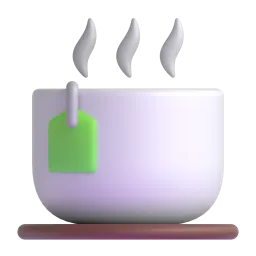
Teacup Without Handle
📚
Books
😴
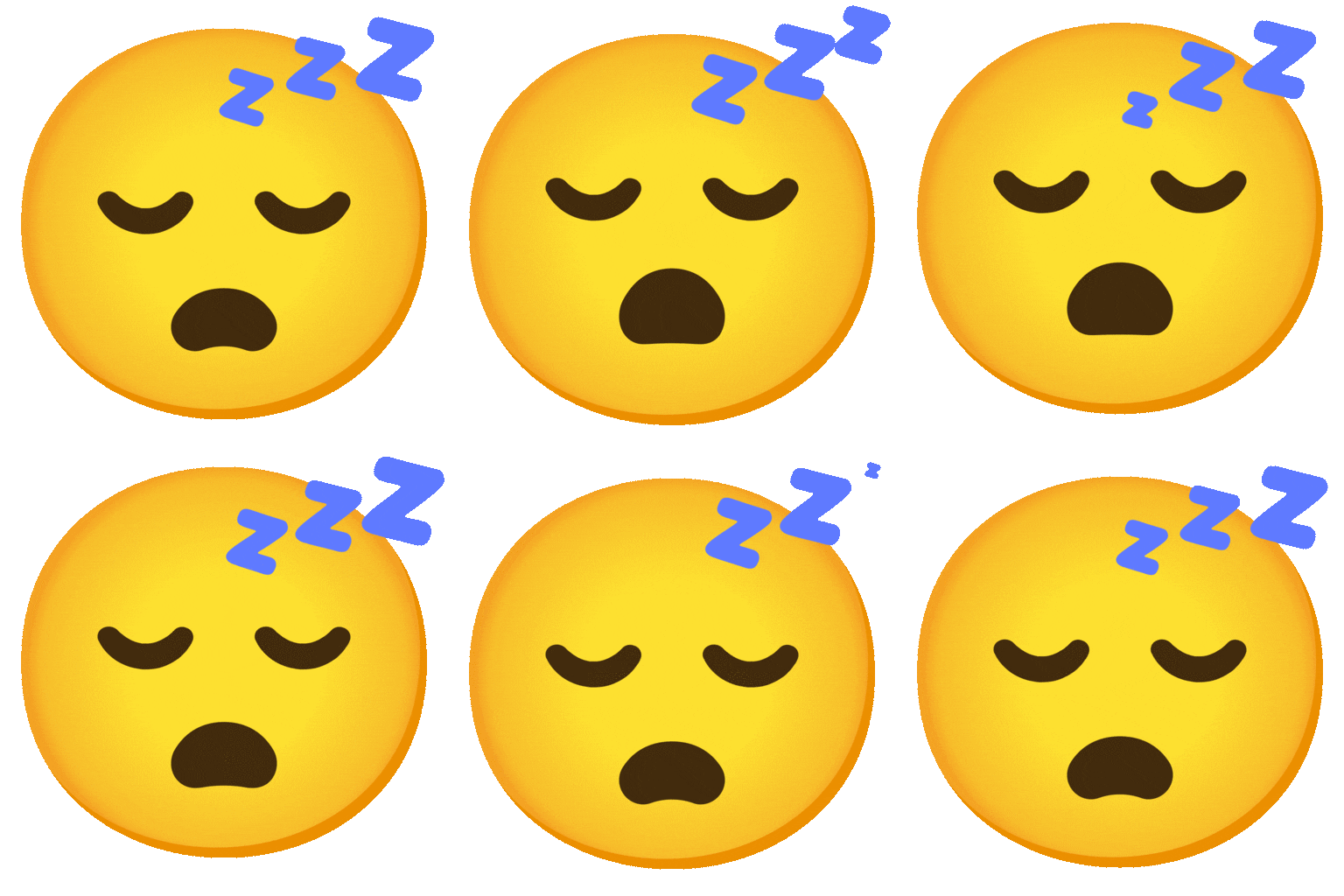
Sleeping Face
🪴
Potted Plant
🏞️
National Park
🧘♀️
Woman in Lotus Position
😌
Relieved Face
🧪 Emoji Mashups (Emoji Kitchen)
Fun mashups created by combining Stress Relief emojis with Emoji Kitchen. Download and use them freely.
Help grow the Stress Relief collection! Suggest emojis or symbols you think are missing and contribute to the community.
💡 Missing an emoji/symbol?
📖
Meaning & Usage
🧘
Person in Lotus Position
Represents meditation, yoga, and finding inner peace. It's often used to signify relaxation, mindfulness, and a desire for calm. The appearance varies across platforms, with some showing a more detailed figure than others.
🛀
Person Taking Bath
Symbolizes relaxation and self-care. It's commonly used to express the desire to unwind and de-stress. The emoji depicts a person in a bathtub, often with bubbles.
🍵
Teacup Without Handle
Represents a calming beverage, often associated with relaxation and comfort. It can signify taking a break and enjoying a moment of peace. The color and style of the teacup vary across platforms.
📚
Books
Symbolizes reading, learning, and escapism. It can represent a relaxing activity that helps to reduce stress. The number and arrangement of books vary across platforms.
😴
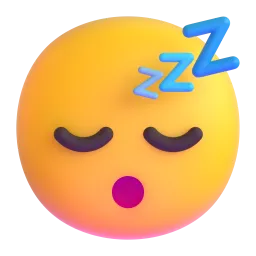
Sleeping Face
Represents sleep, rest, and relaxation. It can be used to express tiredness or the desire to sleep. The facial expression and details vary across platforms, from a simple closed-eye face to one with Zzz symbols.
🪴
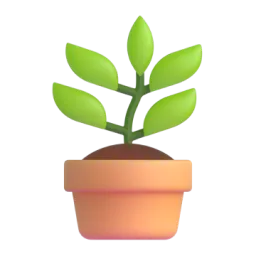
Potted Plant
Represents nature, growth, and tranquility. It can symbolize a calming presence and a connection to the natural world. The type of plant and pot design vary across platforms.
😌
Relieved Face
Represents a feeling of relief, contentment, and peace. It can be used to express a sense of calm after a stressful situation. The facial expression is subtle, with slightly closed eyes and a gentle smile.
📱
Platform Appearances
🧘 Person in Lotus Position
Google NotoApache 2.0
Twitter/XCC-BY 4.0
Fluent 3DMIT
OpenMojiCC BY-SA 4.0
🛀 Person Taking Bath
Google NotoApache 2.0
Twitter/XCC-BY 4.0
Fluent 3DMIT
OpenMojiCC BY-SA 4.0
🍵 Teacup Without Handle
Google NotoApache 2.0
Twitter/XCC-BY 4.0
Noto AnimatedApache 2.0
Fluent 3DMIT
OpenMojiCC BY-SA 4.0
📚 Books
Google NotoApache 2.0
Twitter/XCC-BY 4.0
Noto AnimatedApache 2.0
Fluent 3DMIT
OpenMojiCC BY-SA 4.0
😴 Sleeping Face
Google NotoApache 2.0
Twitter/XCC-BY 4.0
Noto AnimatedApache 2.0
Fluent 3DMIT
OpenMojiCC BY-SA 4.0
🪴 Potted Plant
Google NotoApache 2.0
Twitter/XCC-BY 4.0
Fluent 3DMIT
OpenMojiCC BY-SA 4.0
ℹ️ All images shown are from open-licensed sources (Apache 2.0, MIT, CC-BY 4.0, CC BY-SA 4.0) and are free to use.
💬
Ready Messages
Copy and share
Need some serious stress relief today 🧘♀️🛀🍵
Taking a break to read and unwind 📚😌
Dreaming of a peaceful escape to the mountains 🏞️😴
Time for some self-care and relaxation 🛀
Finding my zen with yoga and meditation 🧘
Enjoying a calming cup of tea 🍵 and a good book 📚
Just need to relax and recharge 😴
Bringing some nature indoors to de-stress 🪴
🎨
Related Emojis
🧘
Activity
🏞️
Travel
😌
Emotions
🍵
Food & Drink
🪴
Nature
😴
Sleep
🛀
Self-Care
💡
Usage Tips
🎯
Combine Emojis
Use multiple emojis to create a visual representation of your stress relief routine. For example: 🧘♀️🛀🍵.
🎯
Platform Awareness
Be mindful of how emojis appear on different platforms. Test your messages to ensure they convey the intended meaning.
🎯
Personalize Your Message
Add emojis to your messages to express your personal feelings and experiences with stress relief.
🎯
Use Sparingly
Avoid overusing emojis, as it can dilute their impact. Choose the most relevant emojis to convey your message effectively.
🎯
Context Matters
Consider the context of your message and the recipient's understanding of emojis. Use emojis that are appropriate for the situation.
🔗
Similar Combinations
Discover more emoji combinations related to Stress Relief