Usability testing is a crucial part of the design process, focusing on evaluating a product or service by testing it with representative users. This process helps identify usability issues, measure user satisfaction, and improve the overall user experience. Emojis can be used to add context, emotion, and clarity when discussing usability testing in reports, presentations, or informal communications. They can visually represent user reactions, highlight key findings, and make the information more engaging and accessible.
When using emojis in the context of usability testing, consider the audience and the purpose of the communication. In formal reports, use emojis sparingly to highlight key points or summarize findings. In informal communications, such as team chats or project updates, emojis can be used more liberally to convey emotions and reactions. It's important to choose emojis that are clear, unambiguous, and relevant to the specific aspect of usability testing being discussed. For example, a 🤔 emoji might represent user confusion, while a 👍 emoji could indicate a positive user experience. Using a consistent set of emojis throughout the testing process can also help create a visual language for quickly identifying and understanding different types of usability issues.
18+Emoji
8Messages
5Tips
⚡
Quick Copy
Copy most popular emojis with one click
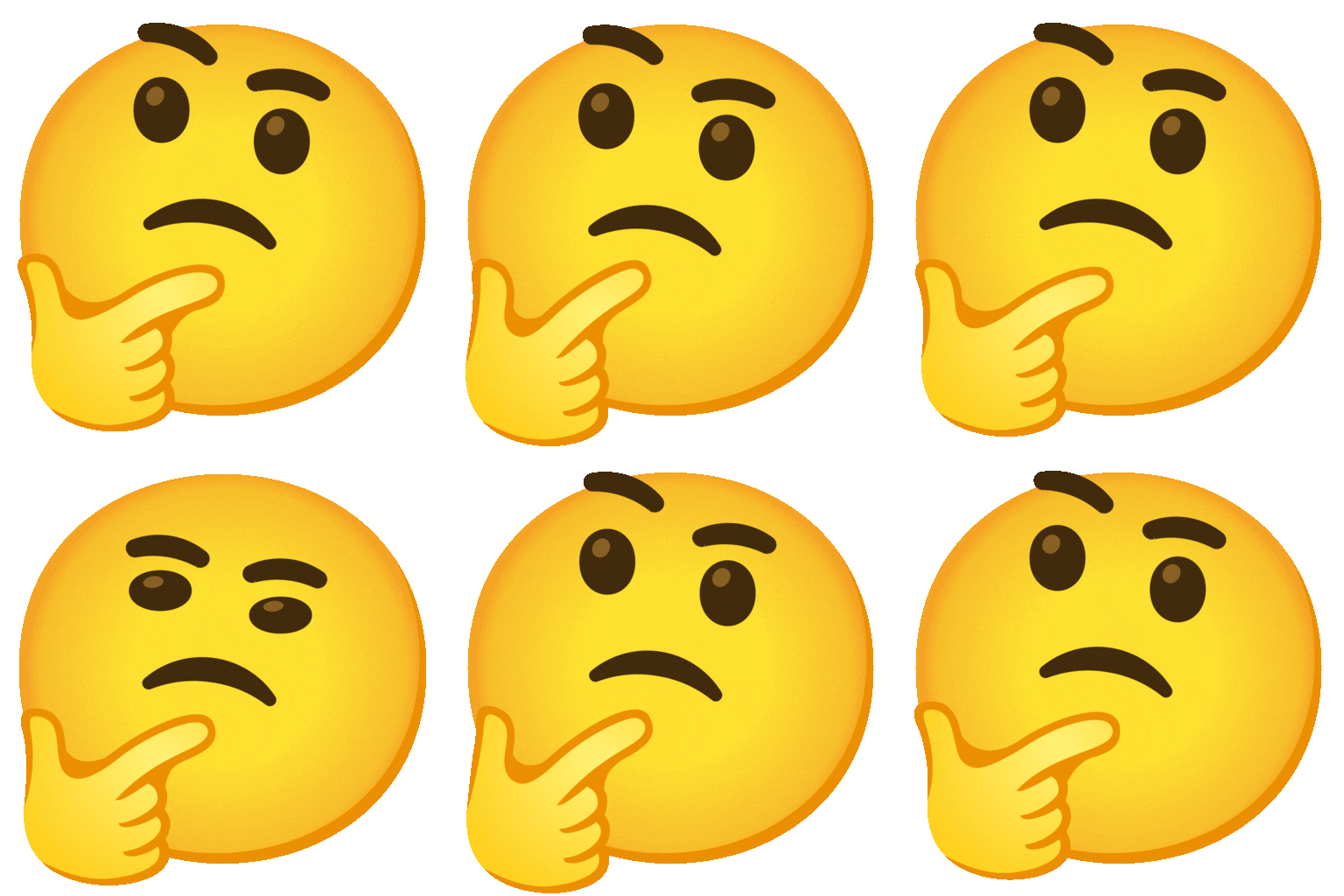
🤔
Thinking Face
👍
Thumbs Up
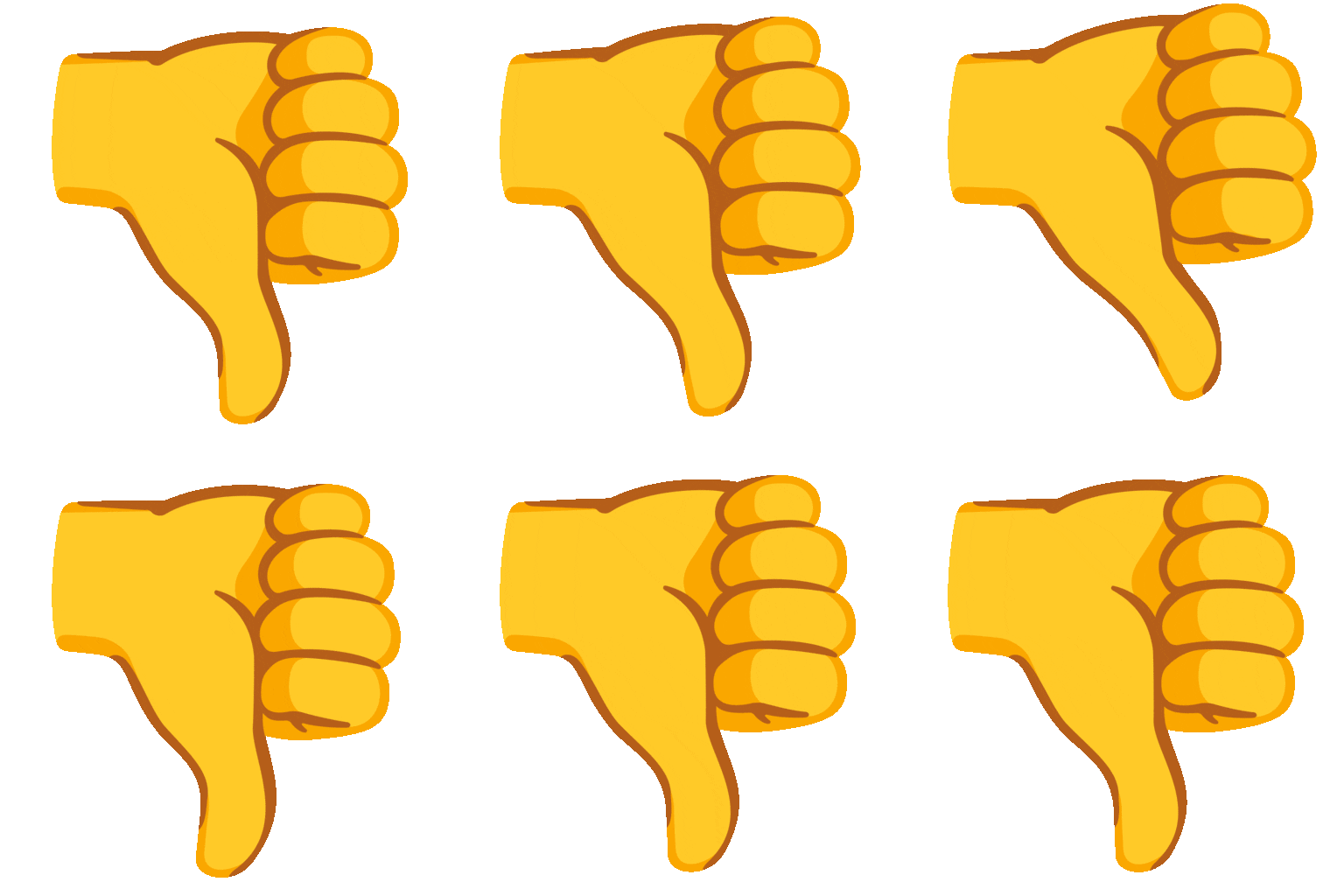
👎
Thumbs Down
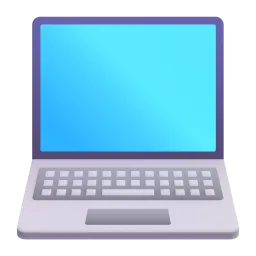
💻
Laptop
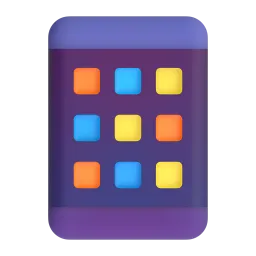
📱
Mobile Phone
🖱️
Computer Mouse
📈
Chart Increasing
✅
Check Mark
🚧
Construction
💯
Hundred Points
🧪 Emoji Mashups (Emoji Kitchen)
Fun mashups created by combining Usability Testing emojis with Emoji Kitchen. Download and use them freely.
Help grow the Usability Testing collection! Suggest emojis or symbols you think are missing and contribute to the community.
💡 Missing an emoji/symbol?
📖
Meaning & Usage
🤔
Thinking Face
Represents confusion, contemplation, or uncertainty during usability testing. Use it to indicate that users are struggling to understand a particular feature or instruction. On some platforms, it appears more inquisitive than others.
👍
Thumbs Up
Indicates a positive user experience or successful task completion. Use it to highlight areas where users found the product easy to use and intuitive. It's universally understood as approval.
👎
Thumbs Down
Represents a negative user experience or difficulty completing a task. Use it to highlight areas where users encountered problems or frustrations. The meaning is consistent across platforms.
💻
Laptop
Represents the device being tested, particularly when the usability test focuses on a desktop application or website. It helps to visually contextualize the testing environment. The design varies slightly across platforms.
📱
Mobile Phone
Represents the device being tested when the usability test focuses on a mobile application or website. It's essential for clarifying the testing context. The appearance is generally consistent.
📈
Chart Increasing
Represents positive trends or improvements in usability metrics. Use it to visualize the impact of design changes or identify areas where the product is performing well. It symbolizes growth and progress.
📱
Platform Appearances
🤔 Thinking Face
Google NotoApache 2.0
Twitter/XCC-BY 4.0
Noto AnimatedApache 2.0
Fluent 3DMIT
OpenMojiCC BY-SA 4.0
👍 Thumbs Up
Google NotoApache 2.0
Twitter/XCC-BY 4.0
Noto AnimatedApache 2.0
Fluent 3DMIT
OpenMojiCC BY-SA 4.0
👎 Thumbs Down
Google NotoApache 2.0
Twitter/XCC-BY 4.0
Noto AnimatedApache 2.0
Fluent 3DMIT
OpenMojiCC BY-SA 4.0
💻 Laptop
Google NotoApache 2.0
Twitter/XCC-BY 4.0
Noto AnimatedApache 2.0
Fluent 3DMIT
OpenMojiCC BY-SA 4.0
📱 Mobile Phone
Google NotoApache 2.0
Twitter/XCC-BY 4.0
Fluent 3DMIT
OpenMojiCC BY-SA 4.0
🖱️ Computer Mouse
Google NotoApache 2.0
Twitter/XCC-BY 4.0
OpenMojiCC BY-SA 4.0
ℹ️ All images shown are from open-licensed sources (Apache 2.0, MIT, CC-BY 4.0, CC BY-SA 4.0) and are free to use.
💬
Ready Messages
Copy and share
User struggled with the checkout process 🤔. Needs improvement!
Navigation is intuitive 👍. Users found it easy to find what they needed.
Login flow is confusing 👎. Many users couldn't remember their passwords.
Testing the new design on 💻. Initial results are promising!
Mobile usability is excellent 📱. Users reported a smooth experience.
Usability scores are up 📈 after the latest update! Great job team!
All test cases passed ✅. The feature is ready for release!
🚧 Still working on fixing the accessibility issues. Almost there!
🎨
Related Emojis
🖥️
Desktop Computer
⚙️
Gear
📊
Bar Chart
🙋
Person Raising Hand
🔍
Magnifying Glass
📝
Memo
🤝
Handshake
💡
Light Bulb
💡
Usage Tips
🎯
Use sparingly in formal reports
In formal usability testing reports, use emojis sparingly to highlight key findings or summarize sections. Overuse can make the report appear unprofessional.
🎯
Choose relevant emojis
Select emojis that are directly related to the specific aspect of usability testing being discussed. Avoid using emojis that are ambiguous or irrelevant.
🎯
Consider platform differences
Be aware that emojis can appear differently on different platforms (Apple, Google, Samsung, etc.). Test your messages to ensure that the emojis are displayed as intended.
🎯
Maintain consistency
Use a consistent set of emojis throughout the usability testing process to create a visual language for quickly identifying and understanding different types of usability issues. This helps with pattern recognition.
🎯
Use for quick summaries
Emojis are great for quick summaries. For example, use a combination of 👍 and 👎 to quickly show the overall sentiment of a user's experience with a specific feature.
🔗
Similar Combinations
Discover more emoji combinations related to Usability Testing