❤️ My Favorites

💻
⌨️
💾
⚙️
🐛
🚀 Emoji Guide

💻⌨️ Software Development Emojis

Software development is the process of creating and maintaining software applications. Emojis can be used to add personality and clarity to communication within development teams, in documentation, and even in user interfaces. This guide explores the best emojis to use when discussing coding, debugging, project management, and the overall software development lifecycle. From representing specific programming languages to illustrating common development tasks, these emojis can help developers express themselves more effectively and inject some fun into their daily work. Understanding the nuances of these emojis can improve team collaboration and make technical discussions more engaging.

17+ Emoji
8 Messages
5 Tips

Quick Copy

Copy most popular emojis with one click

💻
Laptop
⌨️
Keyboard
💾
Floppy Disk
⚙️
Gear
🐛
Bug
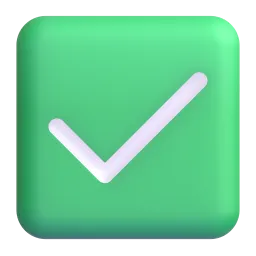
Check Mark
🚧
Construction
🔥
Fire
💡
Light Bulb
📈
Chart Increasing

🧪 Emoji Mashups (Emoji Kitchen)

Fun mashups created by combining Software Development emojis with Emoji Kitchen. Download and use them freely.

+
💻 and 💾 emoji combination - Software Development emoji mashup
+
⚙️ and ✅ emoji combination - Software Development emoji mashup
+
🚧 and 🔥 emoji combination - Software Development emoji mashup

👥 Community Contributions

✅ 0 approved ⏳ 0 pending

Help grow the Software Development collection! Suggest emojis or symbols you think are missing and contribute to the community.

💡 Missing an emoji/symbol?

📖 Meaning & Usage

💻

Laptop

Represents a computer or coding environment. Use it to indicate you're working on a project or discussing code. On Apple, the laptop often shows a generic screen, while Google and Samsung might display a more detailed interface.

⌨️

Keyboard

Symbolizes typing, coding, or any text-based task. Use it when discussing code input, writing documentation, or general communication. The appearance varies slightly across platforms, but the function remains the same.

🐛

Bug

Represents a software bug or error. Use it when discussing debugging, fixing issues, or reporting problems. The visual representation of the bug varies, with some platforms showing a more cartoonish bug than others.

Check Mark

Indicates completion, success, or approval. Use it to signify that a task is finished, a bug is fixed, or a code review is approved. Across platforms, the check mark is generally consistent in meaning and appearance.

🚧

Construction

Represents work in progress or a feature under development. Use it to indicate that a section of code is not yet complete or that a feature is being built. Different platforms may show slightly different construction signs, but the meaning is consistent.

🔥

Fire

Can represent a critical bug, a hotfix, or something urgent. It can also be used ironically to indicate something is 'lit' or amazing. The visual representation is consistent across platforms.

💡

Light Bulb

Represents an idea, a solution, or a moment of inspiration. Use it when discussing brainstorming, problem-solving, or finding a clever workaround. The light bulb design is fairly consistent across platforms.

📱 Platform Appearances

💻 Laptop

Laptop Google Noto emoji Google Noto Apache 2.0
Laptop Twitter/X emoji Twitter/X CC-BY 4.0
Laptop Noto Animated emoji Noto Animated Apache 2.0
Laptop Fluent 3D emoji Fluent 3D MIT
Laptop OpenMoji emoji OpenMoji CC BY-SA 4.0

⌨️ Keyboard

Keyboard Google Noto emoji Google Noto Apache 2.0
Keyboard Twitter/X emoji Twitter/X CC-BY 4.0
Keyboard OpenMoji emoji OpenMoji CC BY-SA 4.0

💾 Floppy Disk

Floppy Disk Google Noto emoji Google Noto Apache 2.0
Floppy Disk Twitter/X emoji Twitter/X CC-BY 4.0
Floppy Disk Fluent 3D emoji Fluent 3D MIT
Floppy Disk OpenMoji emoji OpenMoji CC BY-SA 4.0

⚙️ Gear

Gear Google Noto emoji Google Noto Apache 2.0
Gear Twitter/X emoji Twitter/X CC-BY 4.0
Gear Noto Animated emoji Noto Animated Apache 2.0
Gear OpenMoji emoji OpenMoji CC BY-SA 4.0

🐛 Bug

Bug Google Noto emoji Google Noto Apache 2.0
Bug Twitter/X emoji Twitter/X CC-BY 4.0
Bug Noto Animated emoji Noto Animated Apache 2.0
Bug Fluent 3D emoji Fluent 3D MIT
Bug OpenMoji emoji OpenMoji CC BY-SA 4.0

✅ Check Mark

Check Mark Google Noto emoji Google Noto Apache 2.0
Check Mark Twitter/X emoji Twitter/X CC-BY 4.0
Check Mark Noto Animated emoji Noto Animated Apache 2.0
Check Mark Fluent 3D emoji Fluent 3D MIT
Check Mark OpenMoji emoji OpenMoji CC BY-SA 4.0

ℹ️ All images shown are from open-licensed sources (Apache 2.0, MIT, CC-BY 4.0, CC BY-SA 4.0) and are free to use.

💬 Ready Messages

Copy and share

Starting a new project! 💻 Let's get coding! 🚀

Found a bug! 🐛 Time to debug. 🛠️

Code review passed! ✅ Merging to main. 🚢

Feature in progress 🚧, almost there! ⏳

Need a hotfix ASAP! 🔥 Critical bug! 🚨

Got a brilliant idea! 💡 Let's implement it. 🚀

Deployment successful! 🎉 All systems go! 🚀

Refactoring this legacy code is a nightmare! 😩 But we'll get through it! 💪

💡 Usage Tips

🎯

Use Emojis Sparingly

Don't overuse emojis in formal documentation or code comments. Use them primarily in team communication channels for quick and informal updates.

🎯

Consider Platform Differences

Be aware that emojis can look different across platforms (Apple, Google, Samsung, Microsoft). Test how your emojis appear on different devices to ensure clarity.

🎯

Maintain Consistency

Establish a consistent emoji usage within your team to avoid confusion. For example, always use the 'fire' emoji to indicate critical issues.

🎯

Use Emojis for Emphasis

Emojis can highlight important points in your messages. Use them to draw attention to key information or to add emotional context.

🎯

Accessibility Considerations

Remember that screen readers announce emojis, so avoid using them in places where they might disrupt the flow of information for users with disabilities.

🤖

This content was created with AI technology, enriched with Unicode Consortium data and community contributions. AI Disclosure →

✍️ Emojigo Content Team · Last update: May 2026