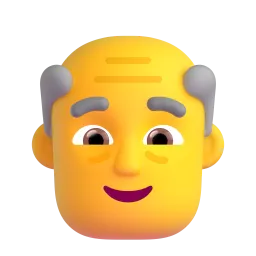
👴
Old Man
Represents an elderly man. Often used to symbolize age, wisdom, or grandfathers. On some platforms, it may appear more cartoonish than others.
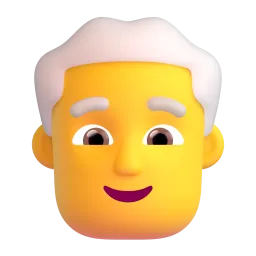
This guide explores emojis related to men with white hair, encompassing representations of age, wisdom, and style. The emojis can be used to represent grandfathers, older characters, or simply men who have embraced their natural gray or white hair. The availability of skin tone modifiers allows for a more inclusive representation of diverse individuals. Understanding the nuances of these emojis can help you communicate more effectively and respectfully in your digital conversations. Consider the context and your audience when using these emojis to avoid misinterpretations or stereotypes. These emojis are often used to denote age, experience, or a distinguished appearance. They can also be used playfully to represent characters in stories or games. When using the "man with white hair" emoji, it's crucial to be mindful of the potential for ageism and to use it in a way that is respectful and inclusive. The addition of skin tone modifiers enhances the ability to represent a wider range of individuals accurately. Remember that emoji appearances can vary across different platforms, so it's always a good idea to double-check how the emoji will appear to your recipient.
Copy most popular emojis with one click
Help grow the Man White Hair collection! Suggest emojis or symbols you think are missing and contribute to the community.
💡 Missing an emoji/symbol?
Represents an elderly man. Often used to symbolize age, wisdom, or grandfathers. On some platforms, it may appear more cartoonish than others.
A man with white or gray hair. This emoji is generally used to represent a man who has aged or is embracing his natural hair color. Skin tone modifiers can be applied for inclusivity. The appearance varies across platforms, with some showing a more detailed hairstyle.
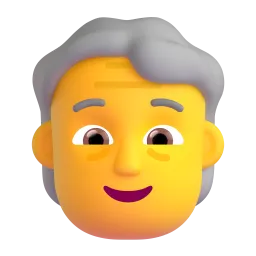
A gender-neutral older person. This emoji can be used when the gender of the older person is unknown or irrelevant. It is often used to represent the elderly in general. The design differs slightly between platforms, with some displaying more wrinkles or different clothing.
Represents an elderly woman. Often used to symbolize grandmothers or older female figures. The style varies across platforms, with some displaying a bun or glasses.
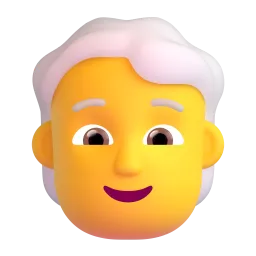
A gender-neutral person with white hair. Can be used when the gender is not specified or when referring to a group of people. Skin tone modifiers can be applied. The overall design is similar to the 'Man: White Hair' and 'Woman: White Hair' emojis, but without a specific gender.
A man with a beard. While not specifically about white hair, a beard can often appear gray or white with age. This emoji can be combined with other emojis to further specify appearance. The beard style varies across platforms.










ℹ️ All images shown are from open-licensed sources (Apache 2.0, MIT, CC-BY 4.0, CC BY-SA 4.0) and are free to use.
Copy and share
Remember to use skin tone modifiers to accurately represent the individual you are referring to. This promotes inclusivity and avoids unintentional misrepresentation.
Emoji appearances can vary across different platforms (Apple, Google, Samsung, etc.). Check how the emoji will appear to your recipient to avoid confusion.
Be mindful of the potential for ageism when using these emojis. Use them respectfully and avoid perpetuating negative stereotypes.
Combine the 'Man White Hair' emoji with other emojis to provide more context, such as profession (👨⚕️), activity (🏌️♂️), or emotion (😊).
Always consider the context of your message and your audience when using these emojis. What might be humorous to one person could be offensive to another.
This content was created with AI technology, enriched with Unicode Consortium data and community contributions. AI Disclosure →