Navigating the world of emojis when representing senior citizens requires sensitivity and understanding. While there isn't a single 'senior citizen' emoji, we can use a combination of emojis to convey respect, wisdom, and the joys of aging. Consider emojis that represent older people, activities they enjoy, and symbols of care and support. Avoid stereotypes and focus on portraying seniors as active, engaged members of society. Think about using emojis that represent hobbies like gardening, knitting, or reading, or those that symbolize family, wisdom, and relaxation. Remember that the best approach is often to use emojis that reflect the individual's personality and interests, rather than relying on generic representations of age. When communicating with or about senior citizens, choose emojis that promote inclusivity and respect, and always be mindful of the context of your message. The goal is to celebrate the richness and diversity of the senior community with thoughtful and appropriate emoji choices.
18+Emoji
8Messages
5Tips
⚡
Quick Copy
Copy most popular emojis with one click
👵
Old Woman
👴
Old Man
🧑🦳
Person: White Hair
🧓
Older Person
👵🏻
Old Woman: Light Skin Tone
🧶
Yarn
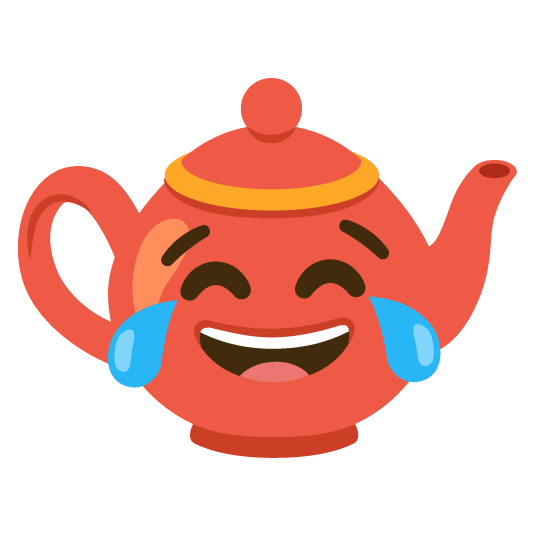
🫖
Teapot
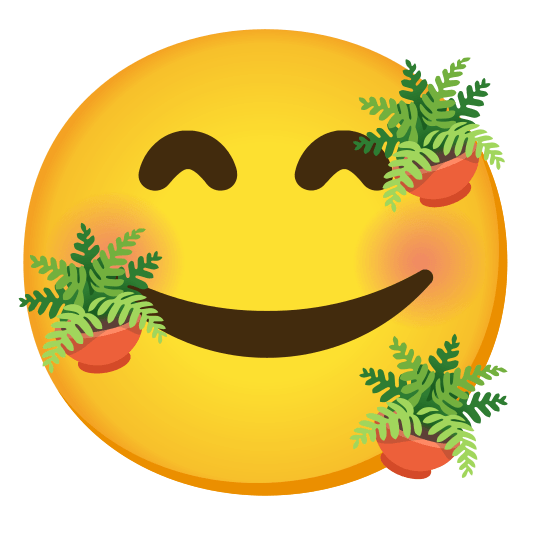
🪴
Potted Plant
📖
Open Book
❤️
Red Heart
🧪 Emoji Mashups (Emoji Kitchen)
Fun mashups created by combining Senior Citizen emojis with Emoji Kitchen. Download and use them freely.
Help grow the Senior Citizen collection! Suggest emojis or symbols you think are missing and contribute to the community.
💡 Missing an emoji/symbol?
📖
Meaning & Usage
👵
Old Woman
Represents an elderly woman. Can be used to refer to grandmothers, older female relatives, or elderly women in general. On some platforms like Apple, it might appear more detailed, while on others like Google, it may be simpler.
👴
Old Man
Represents an elderly man. Commonly used for grandfathers, older male relatives, or elderly men. The visual representation varies across platforms; Samsung's version often has a distinct style compared to Microsoft's.
🧑🦳
Person: White Hair
Represents a person with white hair, indicating age or simply a hair color choice. It's a more neutral way to represent aging without explicitly defining gender. The appearance is consistent across most platforms, but subtle differences in shading and detail exist.
🧶
Yarn
Represents yarn, often associated with knitting or crocheting, common hobbies among senior citizens. It symbolizes creativity and relaxation. The visual style is fairly consistent across platforms, with slight variations in color and texture.
🫖
Teapot
Represents a teapot, symbolizing tea time, relaxation, and social gatherings, often enjoyed by senior citizens. It evokes a sense of comfort and tradition. The design varies slightly between platforms, with different shapes and handle styles.
📖
Open Book
Represents an open book, symbolizing reading, knowledge, and intellectual pursuits, which are often enjoyed by seniors. It can convey wisdom and a love of learning. The book's design and cover color differ across platforms.
📱
Platform Appearances
👵 Old Woman
Google NotoApache 2.0
Twitter/XCC-BY 4.0
👴 Old Man
Google NotoApache 2.0
Twitter/XCC-BY 4.0
Fluent 3DMIT
OpenMojiCC BY-SA 4.0
🧑🦳 Person: White Hair
Google NotoApache 2.0
Twitter/XCC-BY 4.0
Fluent 3DMIT
OpenMojiCC BY-SA 4.0
🧓 Older Person
Google NotoApache 2.0
Twitter/XCC-BY 4.0
Fluent 3DMIT
OpenMojiCC BY-SA 4.0
👵🏻 Old Woman: Light Skin Tone
Google NotoApache 2.0
Twitter/XCC-BY 4.0
Fluent 3DMIT
OpenMojiCC BY-SA 4.0
🧶 Yarn
Google NotoApache 2.0
Twitter/XCC-BY 4.0
Fluent 3DMIT
OpenMojiCC BY-SA 4.0
ℹ️ All images shown are from open-licensed sources (Apache 2.0, MIT, CC-BY 4.0, CC BY-SA 4.0) and are free to use.
💬
Ready Messages
Copy and share
Happy birthday, Grandma! 👵🎂 Hope you have a wonderful day!
Thinking of you, Grandpa. Sending lots of love ❤️👴
Enjoying a relaxing afternoon with tea and a good book 🫖📖
Grandma's knitting is so beautiful! 🧶👵
Spending time with family is the best! ❤️👨👩👧👦👵👴
Gardening with Grandpa is always a joy 🪴👴
Happy to see you enjoying your retirement! 🎉🧑🦳
Sending warm wishes to all the amazing seniors! ❤️👵👴🧑🦳
🎨
Related Emojis
👵
Elderly Woman
👴
Elderly Man
🧑🦳
White Hair
🧓
Older Person
❤️
Love
🎂
Birthday
🪴
Plant
📖
Book
💡
Usage Tips
🎯
Be Respectful
Avoid using emojis in a way that could be perceived as disrespectful or ageist. Focus on positive and inclusive representations.
🎯
Consider Context
The context of your message is crucial. Choose emojis that are appropriate for the situation and the person you're communicating with.
🎯
Platform Variations
Be aware that emojis can look different across platforms (Apple, Google, Samsung, etc.). Test your messages to ensure they appear as intended.
🎯
Personalize Your Message
Instead of relying on generic 'old person' emojis, try to use emojis that reflect the individual's hobbies and interests. For example, use 🪴 if they love gardening.
🎯
Use Skin Tone Modifiers
When using emojis representing people, consider using skin tone modifiers to promote inclusivity and represent diversity.
🔗
Similar Combinations
Discover more emoji combinations related to Senior Citizen