Layout refers to the arrangement of elements on a page, screen, or in a physical space. In the digital world, it's crucial for website design, app interfaces, and even social media posts. Emojis can be used to visually represent different layout concepts, such as grids, columns, alignment, and spacing. They can also be used to indicate different types of layouts, like responsive designs or mobile-first approaches. Using emojis in discussions about layout can add clarity, expressiveness, and a touch of personality.
When discussing layout, consider the platform you're using. Some emojis render differently across devices and operating systems, which can affect their visual impact. For example, a simple grid emoji might appear as a solid block on one device but as distinct lines on another. Be mindful of accessibility when using emojis in layout-related content. Ensure that the emojis are used in a way that doesn't exclude users with visual impairments or those who rely on screen readers. Use alt text or descriptive captions to provide context for the emojis. Also, consider the cultural context of emojis. While many emojis are universally understood, some may have different meanings or connotations in different cultures. Choose emojis that are appropriate for your target audience and the message you're trying to convey. Remember, effective communication is key when discussing layout, and emojis can be a valuable tool to enhance understanding and engagement.
16+Emoji
7Messages
5Tips
⚡
Quick Copy
Copy most popular emojis with one click
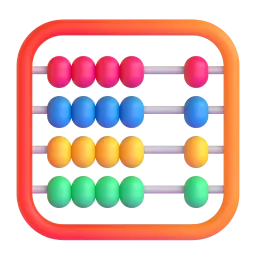
🧮
Abacus
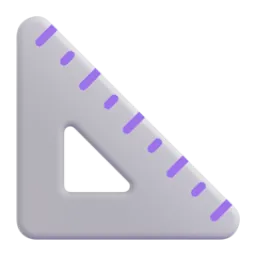
📐
Triangular Ruler
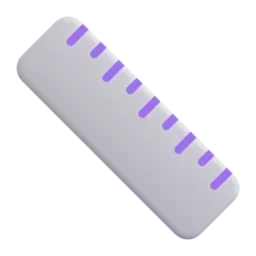
📏
Straight Ruler
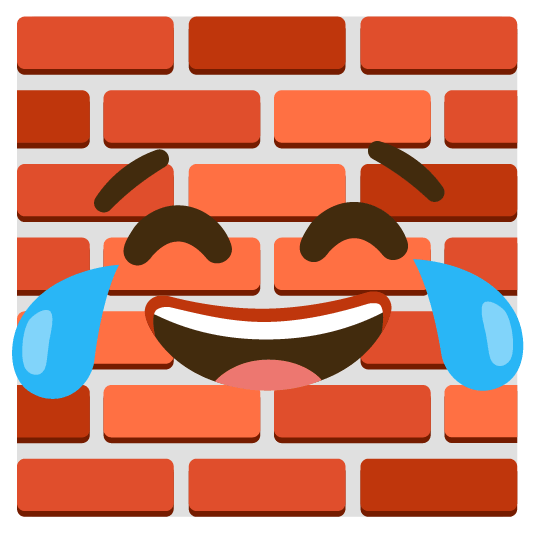
🧱
Brick
📋
Clipboard
📑
Bookmark Tabs
🗂️
Card Index Dividers
📊
Bar Chart
🧪 Emoji Mashups (Emoji Kitchen)
Fun mashups created by combining Layout emojis with Emoji Kitchen. Download and use them freely.
Help grow the Layout collection! Suggest emojis or symbols you think are missing and contribute to the community.
💡 Missing an emoji/symbol?
📖
Meaning & Usage
🧮
Abacus
Represents calculation, organization, and structure. Can be used to symbolize the underlying principles of layout and design, especially in terms of proportion and balance. On some platforms, it appears more detailed than others.
📐
Triangular Ruler
Symbolizes precision, measurement, and technical accuracy. Useful for highlighting the importance of exactness in layout design and the use of tools to achieve perfect alignment. The appearance varies slightly across platforms, but the core meaning remains consistent.
📏
Straight Ruler
Represents measurement, rules, and guidelines. Can be used to emphasize the importance of following design principles and maintaining consistent spacing in a layout. The visual style is consistent across most platforms.
🧱
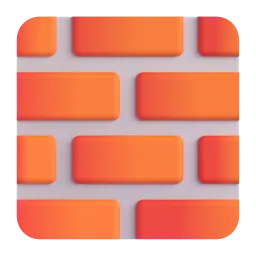
Brick
Represents building blocks, structure, and foundation. Can be used to symbolize the fundamental elements of a layout and how they fit together to create a cohesive design. The color and texture of the brick may vary slightly across platforms.
📋
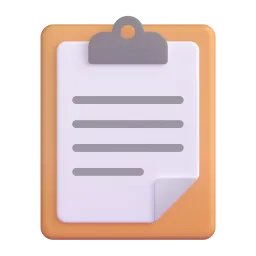
Clipboard
Represents planning, organization, and documentation. Can be used to indicate the process of creating and refining a layout, as well as the importance of keeping track of design decisions. The design of the clipboard is generally consistent across platforms.
📑
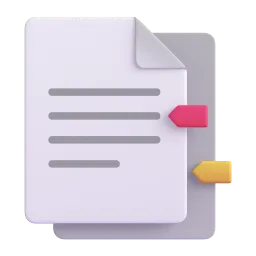
Bookmark Tabs
Represents organization, categorization, and navigation. Can be used to symbolize the different sections or elements of a layout and how they are organized for easy access. The number and color of the tabs may vary slightly.
📱
Platform Appearances
🧮 Abacus
Google NotoApache 2.0
Twitter/XCC-BY 4.0
Fluent 3DMIT
OpenMojiCC BY-SA 4.0
📐 Triangular Ruler
Google NotoApache 2.0
Twitter/XCC-BY 4.0
Fluent 3DMIT
OpenMojiCC BY-SA 4.0
📏 Straight Ruler
Google NotoApache 2.0
Twitter/XCC-BY 4.0
Fluent 3DMIT
OpenMojiCC BY-SA 4.0
🧱 Brick
Google NotoApache 2.0
Twitter/XCC-BY 4.0
Fluent 3DMIT
OpenMojiCC BY-SA 4.0
📋 Clipboard
Google NotoApache 2.0
Twitter/XCC-BY 4.0
Fluent 3DMIT
OpenMojiCC BY-SA 4.0
📑 Bookmark Tabs
Google NotoApache 2.0
Twitter/XCC-BY 4.0
Fluent 3DMIT
OpenMojiCC BY-SA 4.0
ℹ️ All images shown are from open-licensed sources (Apache 2.0, MIT, CC-BY 4.0, CC BY-SA 4.0) and are free to use.
💬
Ready Messages
Copy and share
Working on the website layout today! 📐📏 Let's make it perfect.
Need some feedback on this app layout. What do you think? 📱🤔
The new design is taking shape! 🧱 It's all coming together.
Planning the layout for the presentation. 📋 Any suggestions?
Organizing my files with card index dividers 🗂️
Analyzing the data with a bar chart 📊
Using the abacus for calculations 🧮
🎨
Related Emojis
📐
Measurement
🧱
Construction
📋
Planning
🗂️
Organization
📊
Data
💻
Technology
🎨
Art
✍️
Writing
💡
Usage Tips
🎯
Context is Key
Consider the context of your message when choosing layout-related emojis. A simple ruler emoji might be appropriate for a technical discussion, while a more playful emoji like a building block could be used in a creative brainstorming session.
🎯
Platform Variations
Be aware that emojis can look different across platforms. Test your messages on different devices to ensure that the emojis are rendering as intended. Some platforms may display emojis with more detail or in different colors.
🎯
Accessibility
Provide alternative text or descriptions for emojis to ensure that your messages are accessible to users with visual impairments. This is especially important when using emojis to convey important information about layout or design.
🎯
Emoji Combinations
Experiment with combining emojis to create more complex and nuanced representations of layout concepts. For example, you could use a ruler emoji and a grid emoji to represent precise grid-based layouts.
🎯
Cultural Sensitivity
Be mindful of the cultural context of emojis. Some emojis may have different meanings or connotations in different cultures. Choose emojis that are appropriate for your target audience and the message you're trying to convey.
🔗
Similar Combinations
Discover more emoji combinations related to Layout