🦯
White Cane
Represents blindness or visual impairment. Often used to symbolize independence and mobility for blind individuals. It's a common symbol for accessibility and disability awareness.
Emojis related to blindness and visual impairment can be used to represent accessibility, disability awareness, and support for individuals with vision loss. These emojis help promote inclusivity and understanding in digital communication. The white cane emoji 🦯 is a primary symbol, representing the mobility aid used by many blind individuals. Other relevant emojis include those depicting guide dogs 🐕🦺, which provide assistance and companionship, and accessibility symbols ♿, indicating resources and accommodations for people with disabilities. These emojis are valuable tools for raising awareness about blindness, advocating for accessibility, and fostering a more inclusive online environment. They can be used in social media posts, educational materials, and personal messages to promote empathy and understanding. It's important to use these emojis respectfully and accurately, avoiding stereotypes or insensitive portrayals of blindness. By incorporating these symbols into our digital conversations, we can contribute to a more inclusive and accessible world for everyone.
Copy most popular emojis with one click
Fun mashups created by combining Blind emojis with Emoji Kitchen. Download and use them freely.



Help grow the Blind collection! Suggest emojis or symbols you think are missing and contribute to the community.
💡 Missing an emoji/symbol?
Represents blindness or visual impairment. Often used to symbolize independence and mobility for blind individuals. It's a common symbol for accessibility and disability awareness.
Symbolizes assistance and companionship for blind or visually impaired people. It represents the important role guide dogs play in helping individuals navigate their environment safely. Different platforms may show slightly different breeds or styles.
While primarily associated with wheelchair users, it's a general symbol for accessibility and disability. It can be used to indicate accessible facilities or resources for people with various disabilities, including visual impairments. Often seen on signs and websites.
Represents a person using a white cane for mobility, indicating blindness or visual impairment. This emoji specifically depicts a person, adding a human element to the symbol of the white cane. It promotes visibility and representation of blind individuals.
Can represent vision correction or visual impairment in general. While not exclusively for blindness, it can be used in conjunction with other emojis to convey visual challenges. It can also simply represent someone who wears glasses.
Represents sight and vision. Can be used in contexts related to eye health, awareness, or in combination with other emojis to express concern for vision. It can also be used more generally to indicate observation or attention.





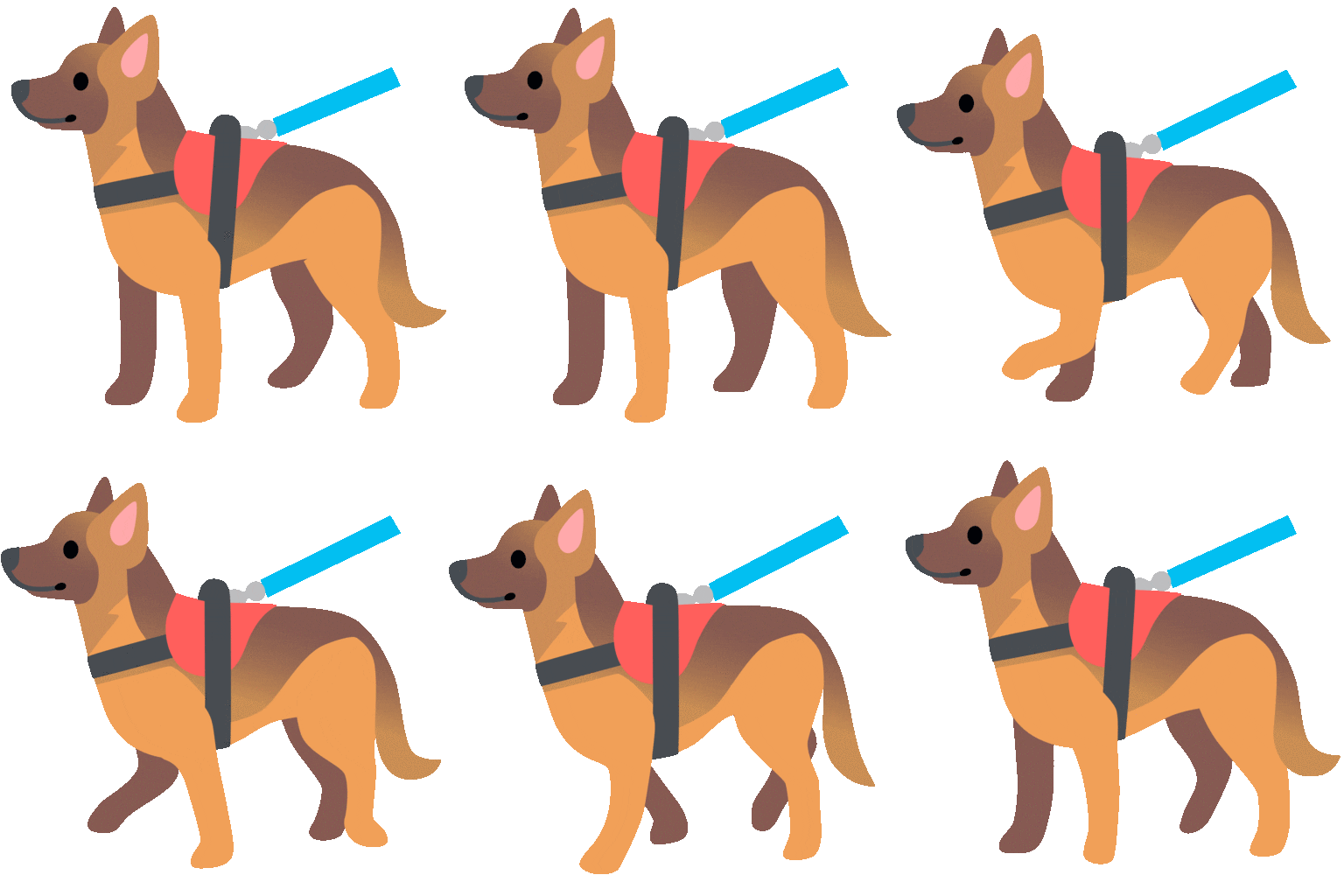 Noto Animated
Apache 2.0
Noto Animated
Apache 2.0








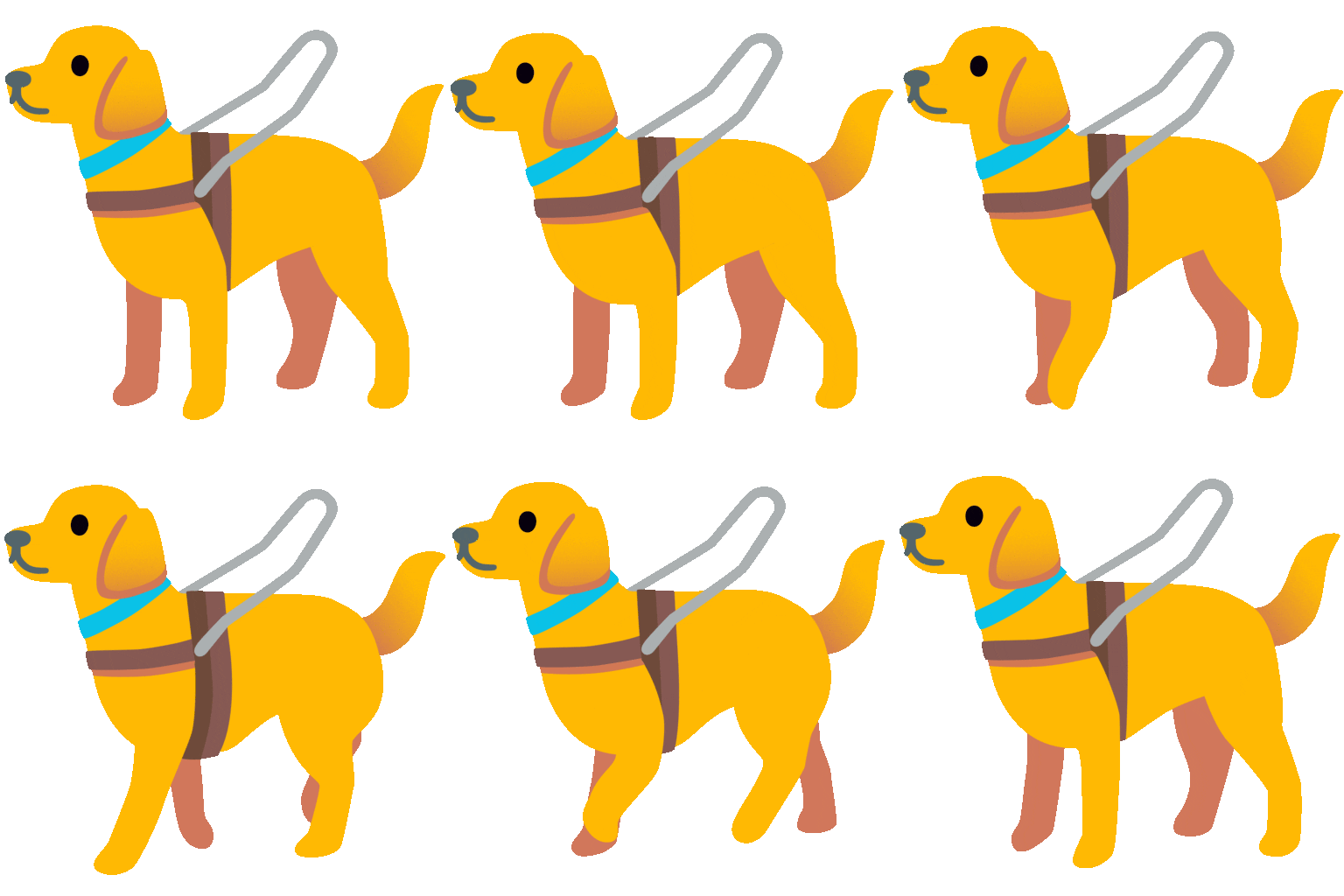 Noto Animated
Apache 2.0
Noto Animated
Apache 2.0





ℹ️ All images shown are from open-licensed sources (Apache 2.0, MIT, CC-BY 4.0, CC BY-SA 4.0) and are free to use.
Copy and share
Always use these emojis with sensitivity and respect. Avoid using them in a mocking or insensitive way.
Ensure the context is appropriate when using these emojis. They are best used in discussions about accessibility, disability awareness, or support for blind individuals.
Be aware that the appearance of emojis can vary across different platforms (Apple, Google, Samsung, etc.). The guide dog emoji, for example, may look slightly different on each platform.
Combine emojis to create more nuanced messages. For example, use 🧑🦯 and ♿ together to indicate accessible resources for blind individuals.
Use these emojis to promote awareness and understanding of blindness and visual impairment on social media and in your personal communications.
This content was created with AI technology, enriched with Unicode Consortium data and community contributions. AI Disclosure →