Yawning is a natural reflex characterized by the involuntary opening of the mouth and deep inhalation, often followed by exhalation. It's a common human behavior triggered by tiredness, boredom, or even seeing someone else yawn. While the exact purpose of yawning is still debated, theories suggest it helps regulate brain temperature, increase alertness, or signal social cues. In the digital world, yawning emojis are used to express a range of feelings, from simple sleepiness to disinterest or fatigue. They can also be used humorously to indicate boredom or to playfully mimic someone else's yawn. Understanding the nuances of these emojis can help you communicate more effectively and add a touch of relatable humor to your messages.
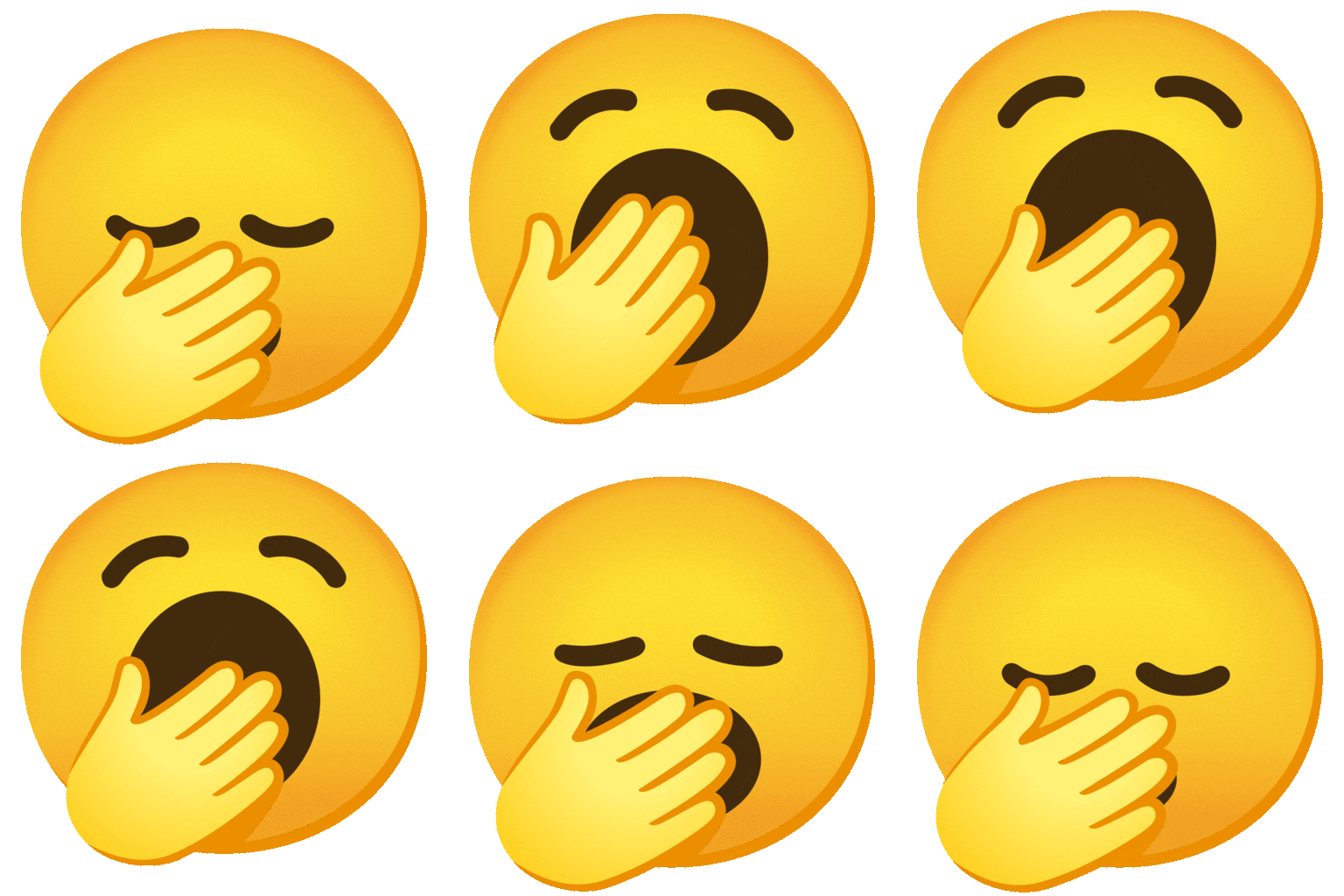
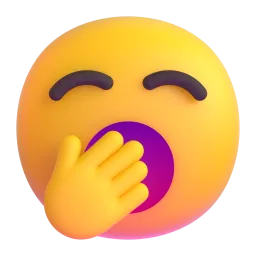
The primary yawning emoji, 🥱, depicts a face with wide-open eyes and mouth, often with a hand covering the mouth. However, the interpretation can vary across different platforms. On some platforms, the emoji might appear more tired or even slightly annoyed, while on others, it might look more exaggerated and comical. This variation is important to consider when using the emoji, as your intended message might be misinterpreted. Beyond the literal representation of yawning, these emojis can also be used metaphorically to express feelings of apathy, lack of enthusiasm, or the need for a break. They can be paired with other emojis to further clarify the intended emotion, such as using the 😴 (sleeping face) emoji to emphasize tiredness or the 😒 (unamused face) emoji to convey boredom. When used thoughtfully, yawning emojis can add depth and humor to your digital communication.
Cultural context also plays a role in how yawning emojis are perceived. In some cultures, yawning in public is considered impolite, so using the emoji might be seen as slightly rude or inappropriate in certain situations. However, in more casual settings, it's generally accepted and even appreciated as a relatable expression of human behavior. The key is to be mindful of your audience and the context of the conversation. Consider the relationship you have with the person you're communicating with and the overall tone of the message. If you're unsure, it's always best to err on the side of caution and avoid using the emoji in potentially sensitive situations. Ultimately, the goal is to use emojis to enhance communication and build connections, not to cause offense or misunderstanding.
17+Emoji
8Messages
5Tips
⚡
Quick Copy
Copy most popular emojis with one click
🥱
Yawning Face
😴
Sleeping Face
😪
Sleepy Face
😩
Weary Face
😫
Tired Face
😒
Unamused Face
😞
Disappointed Face
🙁
Slightly Frowning Face
😶
Face Without Mouth
🧪 Emoji Mashups (Emoji Kitchen)
Fun mashups created by combining Yawning emojis with Emoji Kitchen. Download and use them freely.
Help grow the Yawning collection! Suggest emojis or symbols you think are missing and contribute to the community.
💡 Missing an emoji/symbol?
📖
Meaning & Usage
🥱
Yawning Face
Represents tiredness, boredom, or the act of yawning. It can be used literally to indicate sleepiness or metaphorically to express disinterest. Platform variations exist, with some depicting a more exaggerated yawn than others.
😴
Sleeping Face
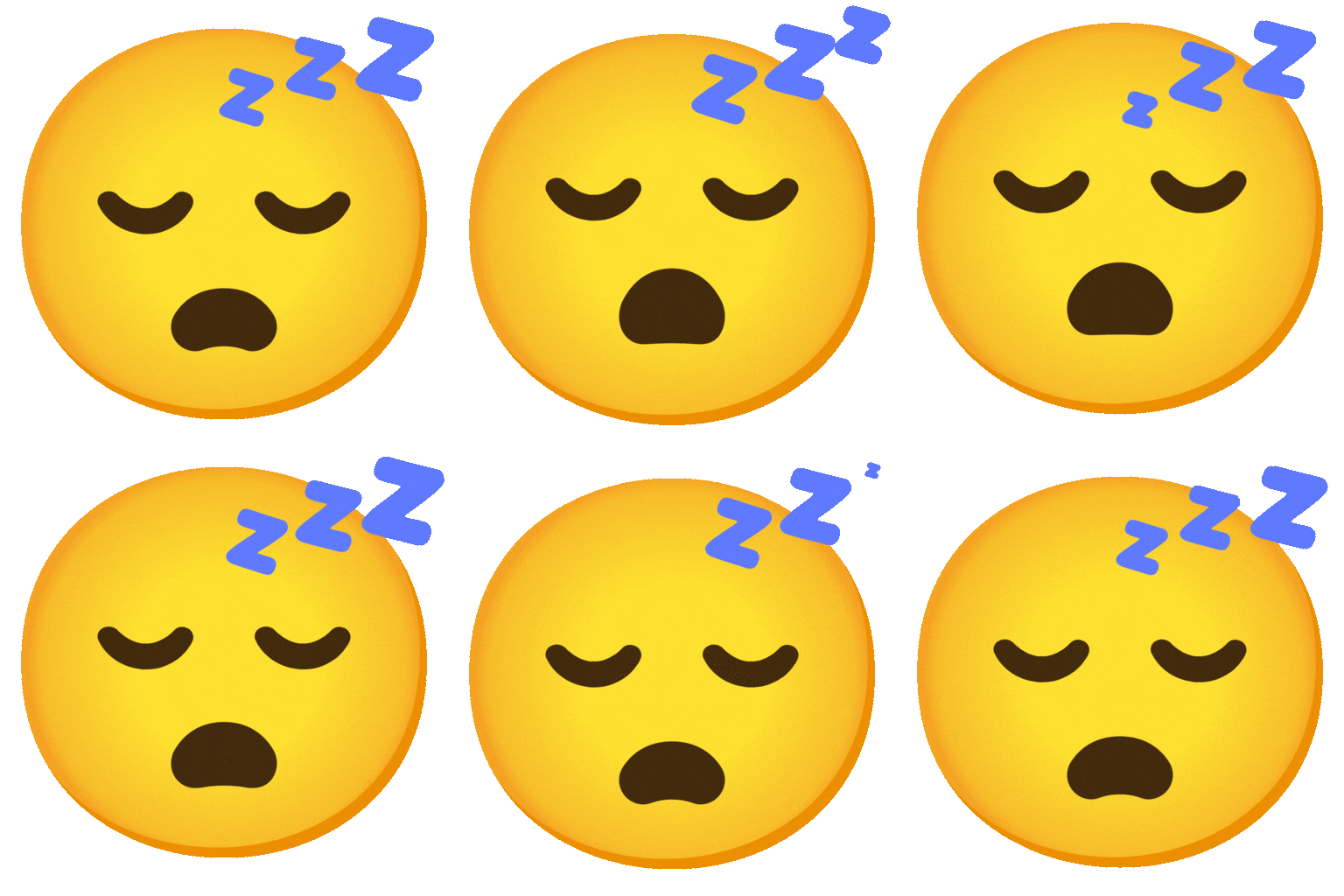
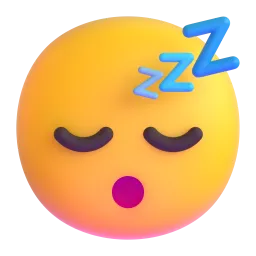
Indicates sleep, rest, or exhaustion. Often used to convey that someone is going to bed or is already asleep. It can also be used to express extreme boredom.
😪
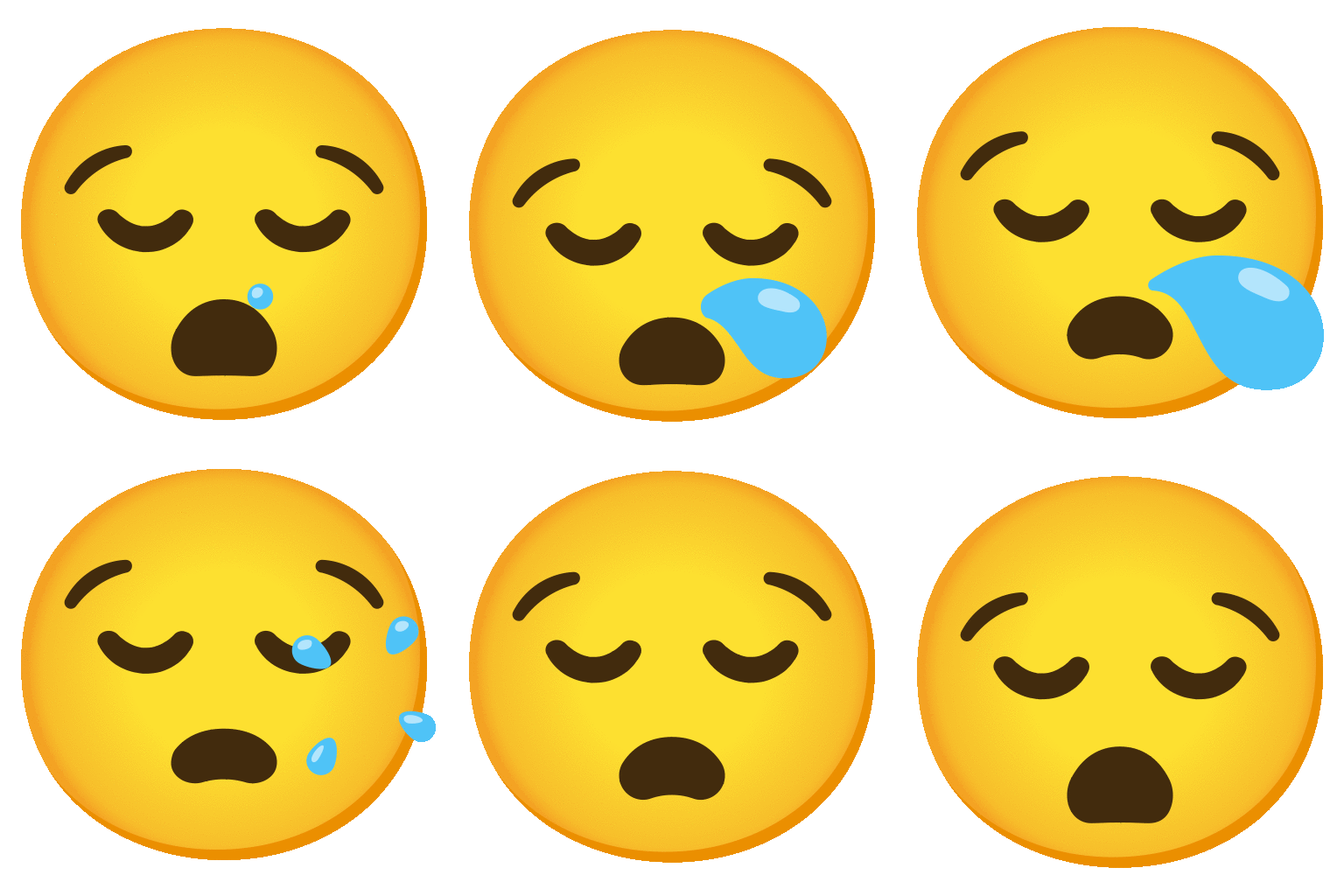
Sleepy Face
Shows a face with a tear, suggesting tiredness or sadness. It can be used to express feeling overwhelmed or emotionally drained, in addition to physical fatigue.
😩
Weary Face
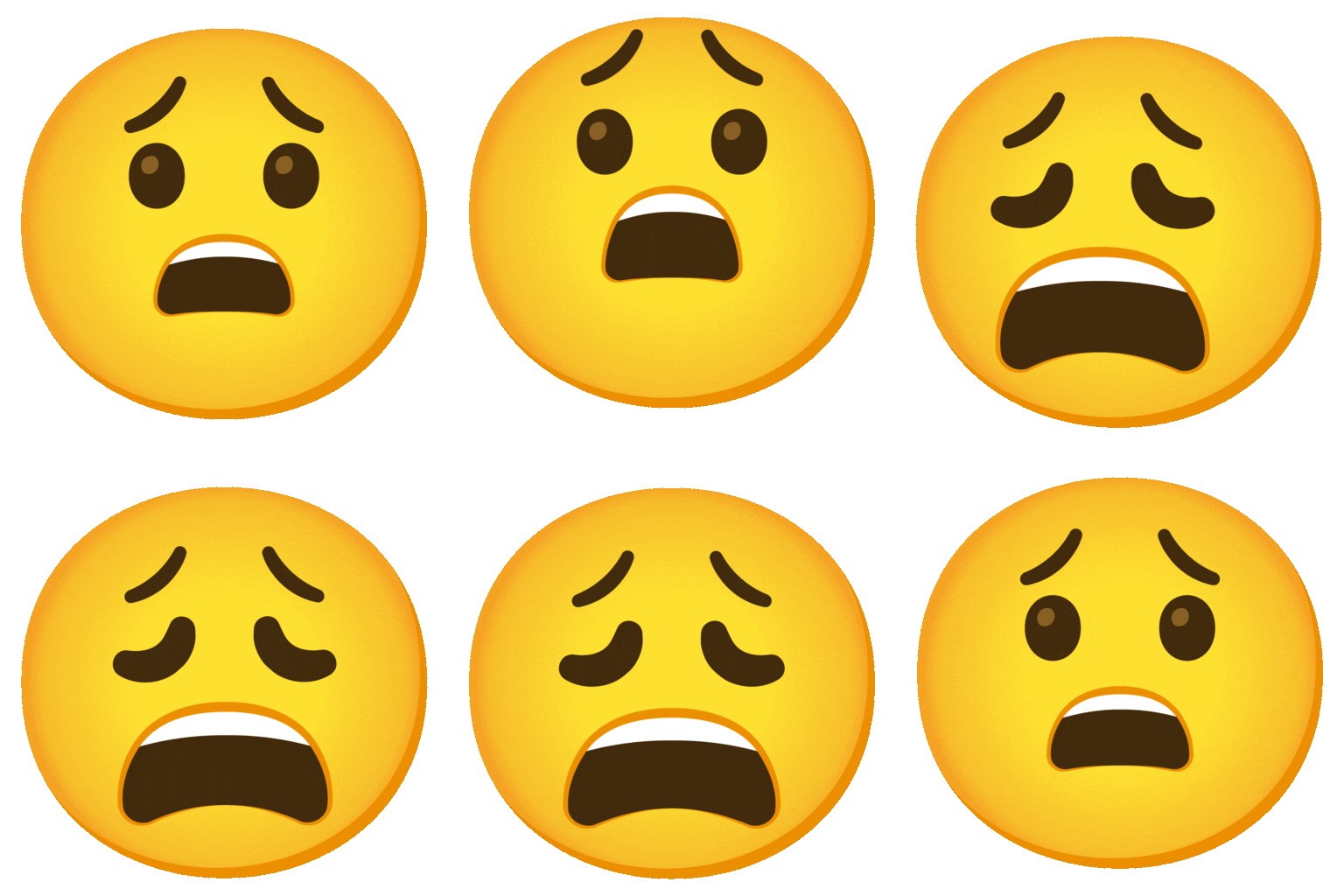
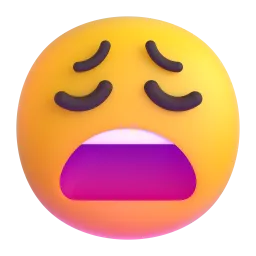
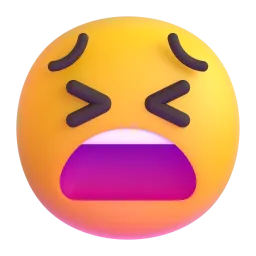
Conveys a sense of being overwhelmed, exhausted, or frustrated. It's often used to express feeling burdened by a task or situation. The expression is more intense than the yawning face.
😫
Tired Face
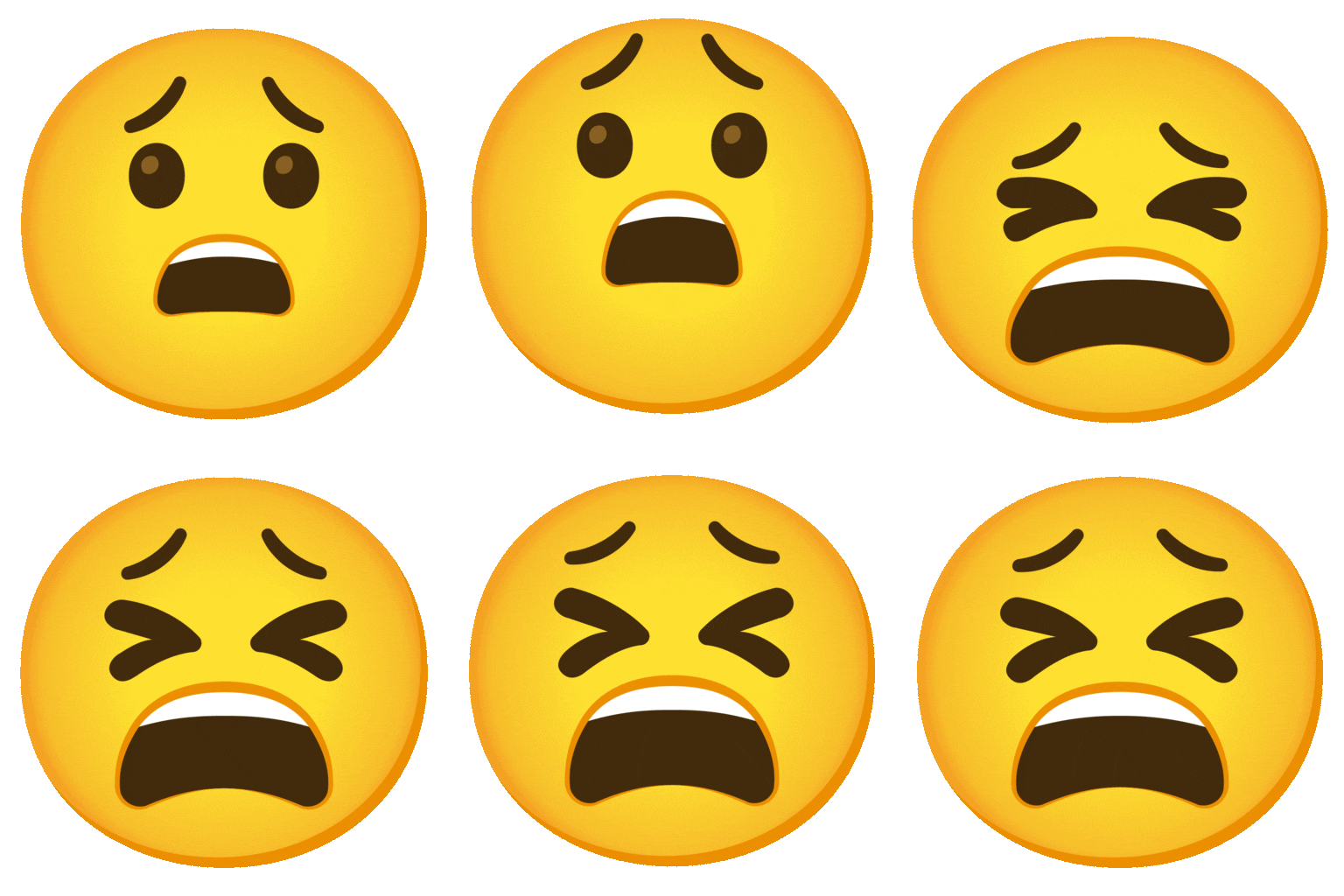
Similar to the weary face, but often used to express a more physical kind of tiredness. It can also indicate being overwhelmed by stress or anxiety. The face often has closed eyes and furrowed brows.
😒
Unamused Face
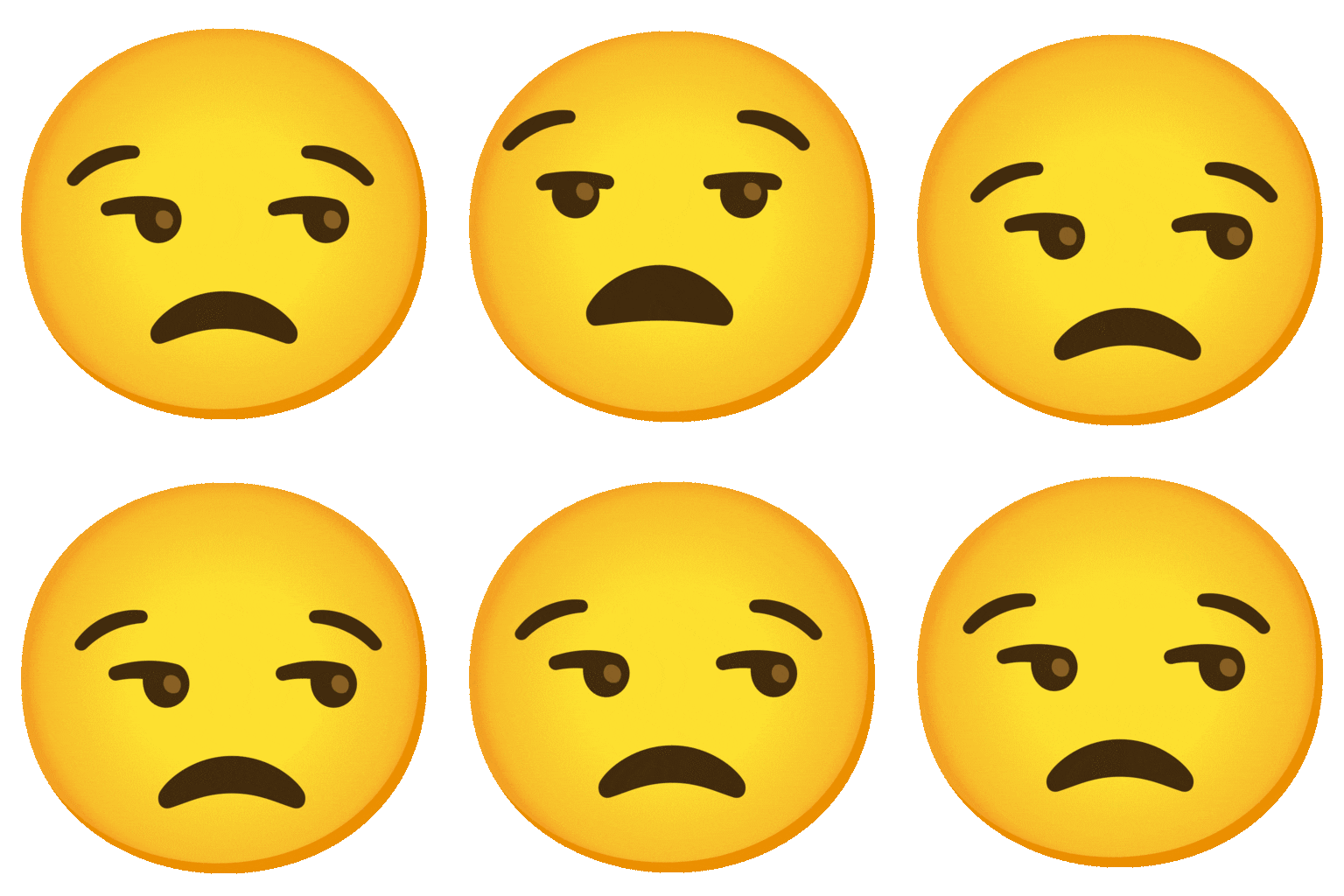
Expresses dissatisfaction, skepticism, or annoyance. It's often used to convey a lack of interest or a feeling of being unimpressed. This emoji can be used as a substitute for the yawning face when expressing boredom.
😶
Face Without Mouth
Can represent silence, speechlessness, or a lack of reaction. In the context of tiredness, it can indicate being too tired to speak or react. It can also convey a sense of being overwhelmed and unable to express oneself.
📱
Platform Appearances
🥱 Yawning Face
Google NotoApache 2.0
Twitter/XCC-BY 4.0
Noto AnimatedApache 2.0
Fluent 3DMIT
OpenMojiCC BY-SA 4.0
😴 Sleeping Face
Google NotoApache 2.0
Twitter/XCC-BY 4.0
Noto AnimatedApache 2.0
Fluent 3DMIT
OpenMojiCC BY-SA 4.0
😪 Sleepy Face
Google NotoApache 2.0
Twitter/XCC-BY 4.0
Noto AnimatedApache 2.0
OpenMojiCC BY-SA 4.0
😩 Weary Face
Google NotoApache 2.0
Twitter/XCC-BY 4.0
Noto AnimatedApache 2.0
Fluent 3DMIT
OpenMojiCC BY-SA 4.0
😫 Tired Face
Google NotoApache 2.0
Twitter/XCC-BY 4.0
Noto AnimatedApache 2.0
Fluent 3DMIT
OpenMojiCC BY-SA 4.0
😒 Unamused Face
Google NotoApache 2.0
Twitter/XCC-BY 4.0
Noto AnimatedApache 2.0
OpenMojiCC BY-SA 4.0
ℹ️ All images shown are from open-licensed sources (Apache 2.0, MIT, CC-BY 4.0, CC BY-SA 4.0) and are free to use.
💬
Ready Messages
Copy and share
This meeting is so boring, I can't stop yawning 🥱
I'm so tired, I could sleep for a week 😴
Just woke up and already feeling sleepy 😪
This day is dragging on... 😩
I'm so tired of studying 😫
Ugh, another Monday morning 😒
I'm too tired to even think 😶
Need coffee ASAP ☕🥱
🎨
Related Emojis
😴
Sleepy
😩
Weary
😫
Tired
😒
Annoyed
😞
Sad
🙁
Frowning
😶
Neutral
🥱
Yawning
💡
Usage Tips
🎯
Context is Key
Consider the context of your message and your relationship with the recipient before using yawning emojis. Avoid using them in formal or professional settings where they might be perceived as unprofessional.
🎯
Platform Variations
Be aware that the appearance of yawning emojis can vary across different platforms. Check how the emoji looks on different devices to ensure your message is interpreted as intended.
🎯
Combine with Others
Use yawning emojis in combination with other emojis to further clarify your intended emotion. For example, use 😴 with 🥱 to emphasize sleepiness, or 😒 with 🥱 to express boredom.
🎯
Avoid Overuse
Avoid overusing yawning emojis, as they can quickly become annoying or repetitive. Use them sparingly and only when they genuinely enhance your message.
🎯
Cultural Sensitivity
Be mindful of cultural differences in the interpretation of yawning. In some cultures, yawning in public is considered impolite, so using the emoji might be seen as slightly rude.
🔗
Similar Combinations
Discover more emoji combinations related to Yawning