World War 2 was a global conflict that involved a vast array of nations, ideologies, and technologies. Representing such a complex historical event with emojis requires careful consideration. While it's impossible to fully capture the gravity and scope of the war with simple icons, certain emojis can evoke specific aspects, symbols, or related concepts. These might include flags of involved nations, military vehicles, symbols of resistance, or even more abstract representations of peace and remembrance. It's crucial to use these emojis thoughtfully and respectfully, avoiding trivialization or insensitivity towards the immense suffering caused by the war. The context in which these emojis are used is paramount, ensuring that they contribute to meaningful discussions or educational purposes rather than perpetuating harmful stereotypes or misinformation. Consider pairing emojis with historical facts or personal stories to add depth and context. Remember that emojis are a visual language, and their interpretation can vary widely, so clarity and sensitivity are key when addressing such a sensitive topic.
18+Emoji
8Messages
5Tips
⚡
Quick Copy
Copy most popular emojis with one click
🇩🇪
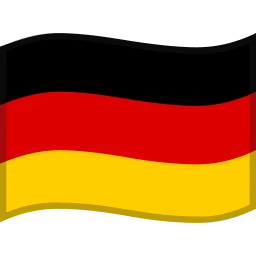
Germany Flag
🇺🇸
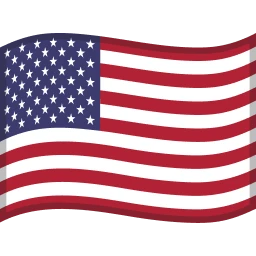
USA Flag
🇯🇵
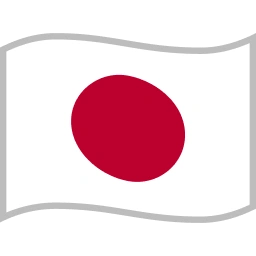
Japan Flag
🇬🇧
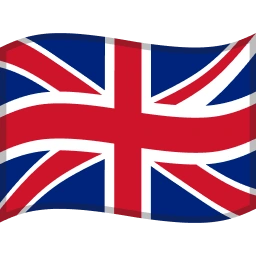
United Kingdom Flag
🎖️
Military Medal
🕊️
Dove
💣
Bomb
🚢
Ship
✈️
Airplane
🙏
Folded Hands
🧪 Emoji Mashups (Emoji Kitchen)
Fun mashups created by combining World War 2 emojis with Emoji Kitchen. Download and use them freely.
Help grow the World War 2 collection! Suggest emojis or symbols you think are missing and contribute to the community.
💡 Missing an emoji/symbol?
📖
Meaning & Usage
🇩🇪
Germany Flag
Represents Germany, one of the major Axis powers in World War 2. Can be used in historical contexts or discussions about the war's impact on Germany. On some platforms, the flag design may vary slightly.
🇺🇸
USA Flag
Represents the United States, a major Allied power in World War 2. Often used to symbolize American involvement in the war and its aftermath. The flag's appearance is generally consistent across platforms.
🇯🇵
Japan Flag
Represents Japan, another major Axis power in World War 2. Its use should be approached with sensitivity, acknowledging the war's impact on Asia and the Pacific. The flag design is usually uniform across platforms.
🇬🇧
United Kingdom Flag
Represents the United Kingdom, a key Allied power in World War 2. Symbolizes British resistance and contribution to the war effort. The flag's design is generally consistent across platforms.
🎖️
Military Medal
Represents bravery, sacrifice, and honor in military service. Can be used to commemorate veterans and fallen soldiers. The design varies across platforms, but it generally depicts a medal or ribbon.
🕊️
Dove
Represents peace, hope, and reconciliation. Can be used to symbolize the desire for an end to conflict and the pursuit of lasting peace after the war. The dove's appearance is fairly consistent across platforms.
💣
Bomb
Represents the destructive power of war and the devastating impact of bombing campaigns. Use with caution and sensitivity, as it can be triggering for some. The bomb's design varies across platforms, but it generally depicts a stylized explosive device.
📱
Platform Appearances
🇩🇪 Germany Flag
Google NotoApache 2.0
Twitter/XCC-BY 4.0
Fluent 3DMIT
OpenMojiCC BY-SA 4.0
🇺🇸 USA Flag
Google NotoApache 2.0
Twitter/XCC-BY 4.0
Fluent 3DMIT
OpenMojiCC BY-SA 4.0
🇯🇵 Japan Flag
Google NotoApache 2.0
Twitter/XCC-BY 4.0
Fluent 3DMIT
OpenMojiCC BY-SA 4.0
🇬🇧 United Kingdom Flag
Google NotoApache 2.0
Twitter/XCC-BY 4.0
Fluent 3DMIT
OpenMojiCC BY-SA 4.0
🎖️ Military Medal
Google NotoApache 2.0
Twitter/XCC-BY 4.0
OpenMojiCC BY-SA 4.0
🕊️ Dove
Google NotoApache 2.0
Twitter/XCC-BY 4.0
Noto AnimatedApache 2.0
OpenMojiCC BY-SA 4.0
ℹ️ All images shown are from open-licensed sources (Apache 2.0, MIT, CC-BY 4.0, CC BY-SA 4.0) and are free to use.
💬
Ready Messages
Copy and share
Remembering the sacrifices made during WWII. 🎖️🙏
Never forget the lessons of history. 🇩🇪🇺🇸🇯🇵🇬🇧
Praying for peace and understanding. 🕊️
Honoring the veterans of World War II. 🎖️🇺🇸
Reflecting on the impact of WWII on the world. 🌍
Let's strive for a world without war. 🕊️🙏
Remembering the victims of the Holocaust. 🕯️
World War II changed everything. 💣
🎨
Related Emojis
🌍
Geography
⚔️
Military
📜
History
🕊️
Peace
🕯️
Remembrance
🚢
Vehicles
🎌
Flags
💣
Weapons
💡
Usage Tips
🎯
Context is Key
Always use WWII-related emojis with respect and sensitivity. Ensure the context is appropriate and avoids trivializing the historical event.
🎯
Platform Variations
Be aware that flag emojis and other symbols may appear differently across various platforms (Apple, Google, Samsung, etc.).
🎯
Pair with Text
Combine emojis with text to provide clarity and context, especially when discussing sensitive topics like war.
🎯
Avoid Misinterpretation
Choose emojis carefully to avoid unintended meanings or misinterpretations, particularly when representing complex historical events.
🎯
Use Sparingly
Overusing emojis can diminish the seriousness of the topic. Use them sparingly and purposefully.
🔗
Similar Combinations
Discover more emoji combinations related to World War 2