Warning Sign
This emoji signifies a general warning or caution. It's commonly used to indicate potential hazards or risks, including weather-related dangers. On some platforms, the design may vary slightly, but the meaning remains consistent.
Weather warnings are crucial alerts that inform the public about impending hazardous weather conditions. Using emojis in weather warnings can quickly convey the severity and type of threat, making the information more accessible and easily understood, especially on social media and mobile platforms. This guide explores the various emojis that can be used to represent different weather warnings, their meanings, and how to effectively incorporate them into your communications. From severe thunderstorms and flooding to heatwaves and blizzards, emojis can help to visually communicate the potential dangers and encourage people to take necessary precautions. Understanding the nuances of these emojis and their cross-platform variations is key to ensuring clear and impactful messaging during critical weather events. This guide will help you navigate the emoji landscape to create effective weather warnings.
Copy most popular emojis with one click
Fun mashups created by combining Weather Warning emojis with Emoji Kitchen. Download and use them freely.
Help grow the Weather Warning collection! Suggest emojis or symbols you think are missing and contribute to the community.
💡 Missing an emoji/symbol?
This emoji signifies a general warning or caution. It's commonly used to indicate potential hazards or risks, including weather-related dangers. On some platforms, the design may vary slightly, but the meaning remains consistent.
This emoji represents an emergency alert. It's often used to emphasize the urgency of a weather warning, especially when immediate action is required. The appearance varies across platforms, with some showing a flashing light and others a static image.
This emoji depicts a cloud with rain and lightning, representing a thunderstorm. It's used to warn about the potential for heavy rain, lightning strikes, and strong winds. The design is fairly consistent across platforms.
This emoji shows a cloud with raindrops, indicating rain. It's used to warn about moderate to heavy rainfall, which can lead to flooding or hazardous driving conditions. The style is similar across different platforms.
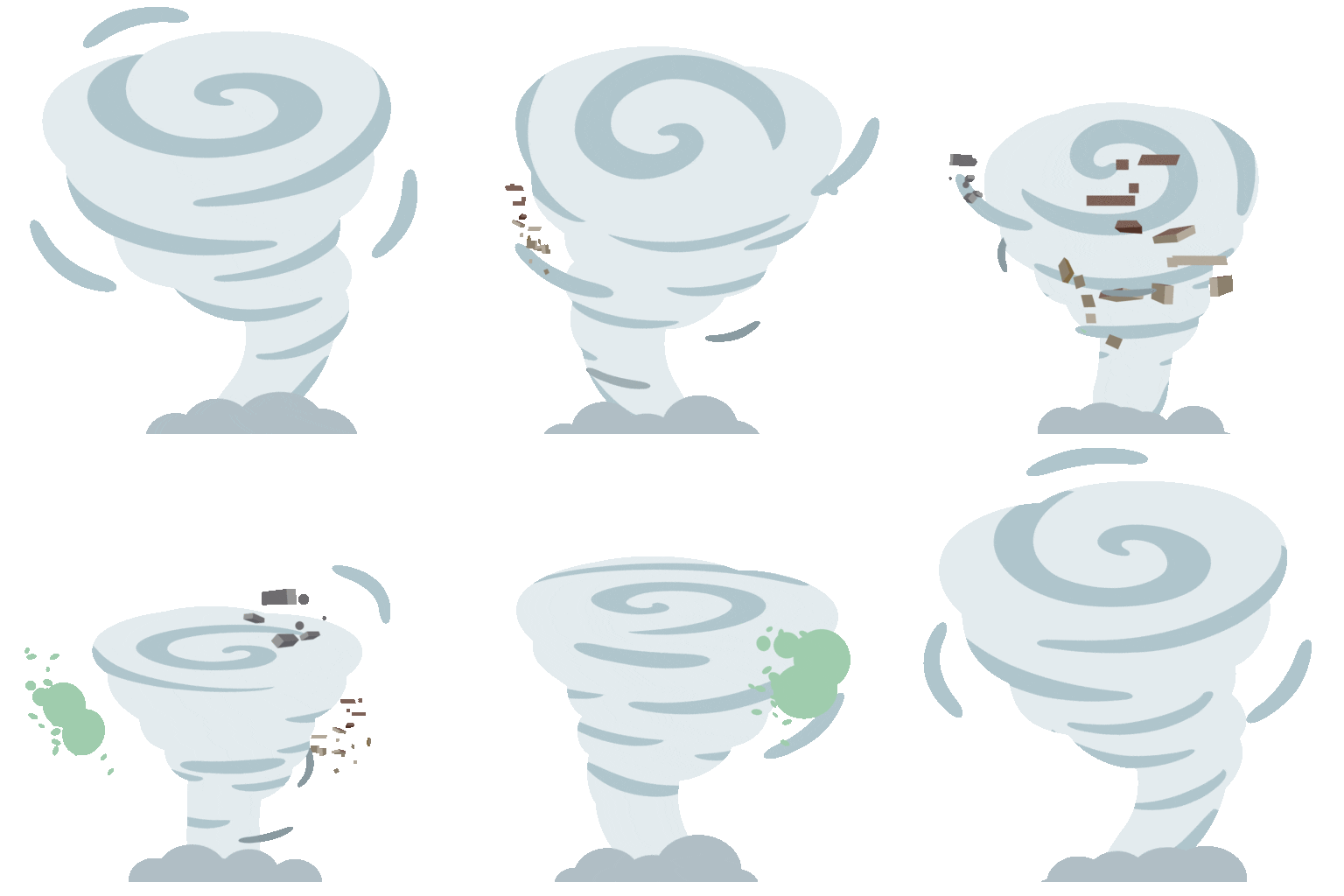
This emoji represents a tornado, a violent rotating column of air. It's used to warn about the potential for tornadoes and the need to seek shelter immediately. The visual representation is generally consistent.
This emoji signifies fire, and in the context of weather warnings, it can represent wildfires or extreme heat. It's used to warn about the dangers of fire and the need to take precautions to prevent them. The design is universally recognizable.
This emoji depicts a wave of water, representing flooding or coastal hazards. It's used to warn about the potential for flooding, storm surges, or tsunamis. The appearance is fairly consistent across platforms.
Noto Animated
Apache 2.0
Noto Animated
Apache 2.0
Noto Animated
Apache 2.0
Noto Animated
Apache 2.0
ℹ️ All images shown are from open-licensed sources (Apache 2.0, MIT, CC-BY 4.0, CC BY-SA 4.0) and are free to use.
Copy and share
Choose emojis that accurately represent the specific weather threat. For example, use ⛈️ for thunderstorms and 🌊 for flooding.
Combine multiple emojis to provide a more comprehensive warning. For example, use ⚠️⛈️ to indicate a severe thunderstorm warning.
Be aware that emojis may appear differently on different platforms (Apple, Google, Samsung, etc.). Test your messages to ensure they are clear on all devices.
Don't overuse emojis, as it can make your message seem less serious. Use them strategically to highlight key information.
Remember that some users may not be able to see emojis. Always include text descriptions of the weather warning for accessibility.
This content was created with AI technology, enriched with Unicode Consortium data and community contributions. AI Disclosure →