The feeling of being uncomfortable can manifest in many ways, from physical discomfort to social awkwardness. Emojis can help express these nuanced feelings when words fall short. This guide explores emojis that represent various forms of discomfort, including physical unease, social awkwardness, anxiety, and even disgust. Understanding how to use these emojis effectively can enhance your digital communication and allow you to convey complex emotions with greater precision.
When choosing an emoji to represent discomfort, consider the specific context. Are you feeling physically ill? 🤢 or 🤕 might be appropriate. Are you in an awkward social situation? 🤔 or 😬 could be more fitting. Are you experiencing anxiety? 😓 or 😰 might be the best choice. Remember that emoji meanings can vary slightly across different platforms (Apple, Google, Samsung, Microsoft, WhatsApp), so it's always a good idea to double-check how your message appears to the recipient. Using emojis thoughtfully can add depth and clarity to your digital conversations, helping you communicate your feelings more effectively and empathetically.
Furthermore, cultural context plays a significant role in emoji interpretation. What might be considered humorous discomfort in one culture could be offensive in another. For instance, an emoji expressing mild disgust might be used playfully among close friends, but it could be inappropriate in a professional setting. Being mindful of these nuances can prevent misunderstandings and ensure that your message is received as intended. Ultimately, the goal is to use emojis to enhance communication, not to create confusion or offense. By carefully selecting emojis that accurately reflect your feelings and considering the cultural context, you can navigate the complexities of digital communication with greater confidence and sensitivity.
17+Emoji
8Messages
5Tips
⚡
Quick Copy
Copy most popular emojis with one click
😬
Grimacing Face
😓
Downcast Face with Sweat
😰
Anxious Face with Sweat
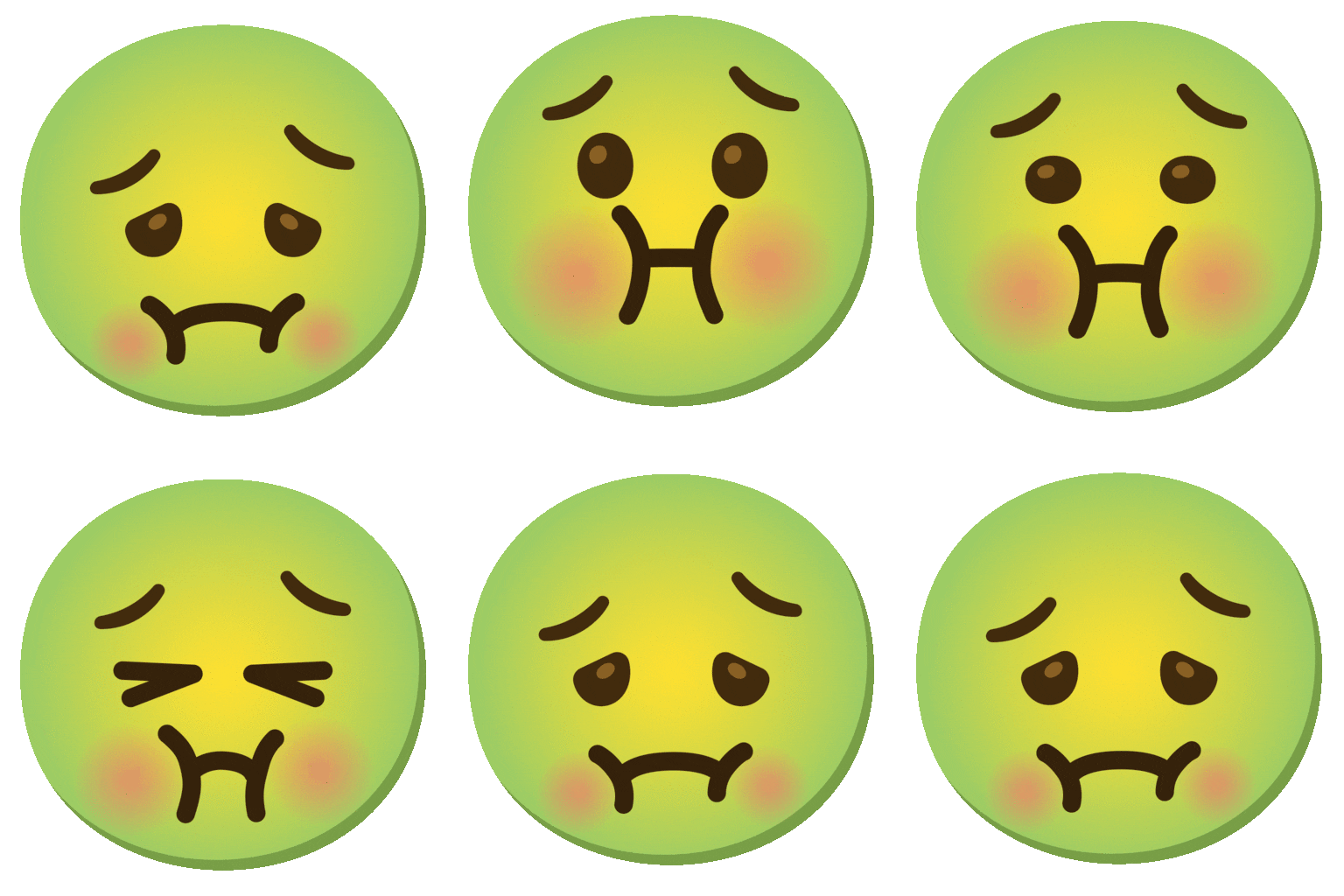
🤢
Nauseated Face
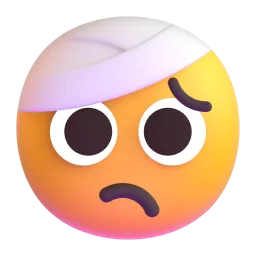
🤕
Face with Head Bandage
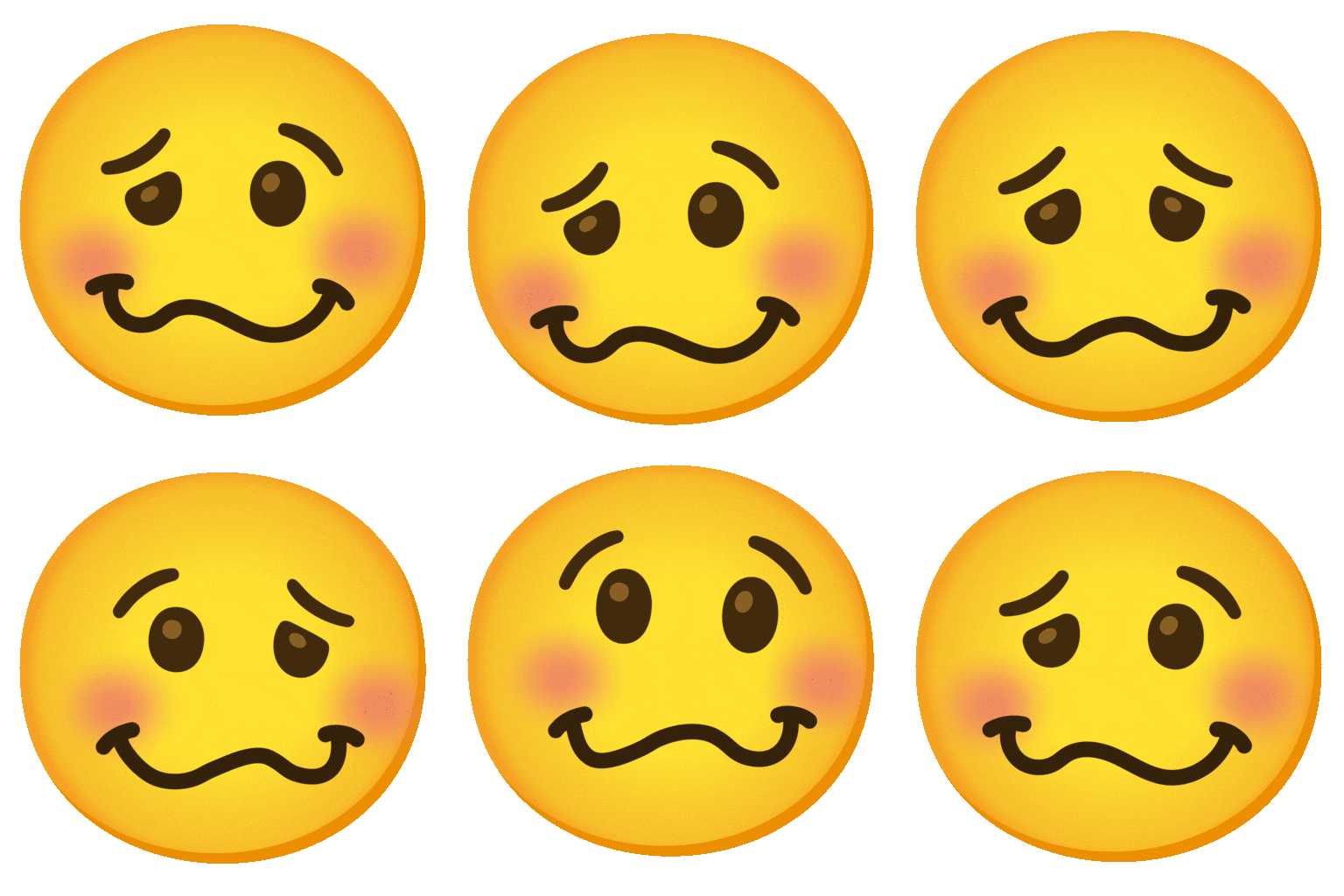
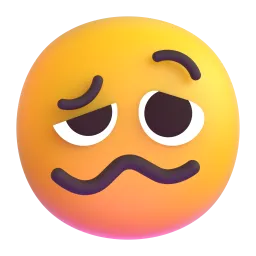
🥴
Woozy Face
😫
Tired Face
😨
Fearful Face
😖
Confounded Face
🧪 Emoji Mashups (Emoji Kitchen)
Fun mashups created by combining Uncomfortable emojis with Emoji Kitchen. Download and use them freely.
Help grow the Uncomfortable collection! Suggest emojis or symbols you think are missing and contribute to the community.
💡 Missing an emoji/symbol?
📖
Meaning & Usage
😬
Grimacing Face
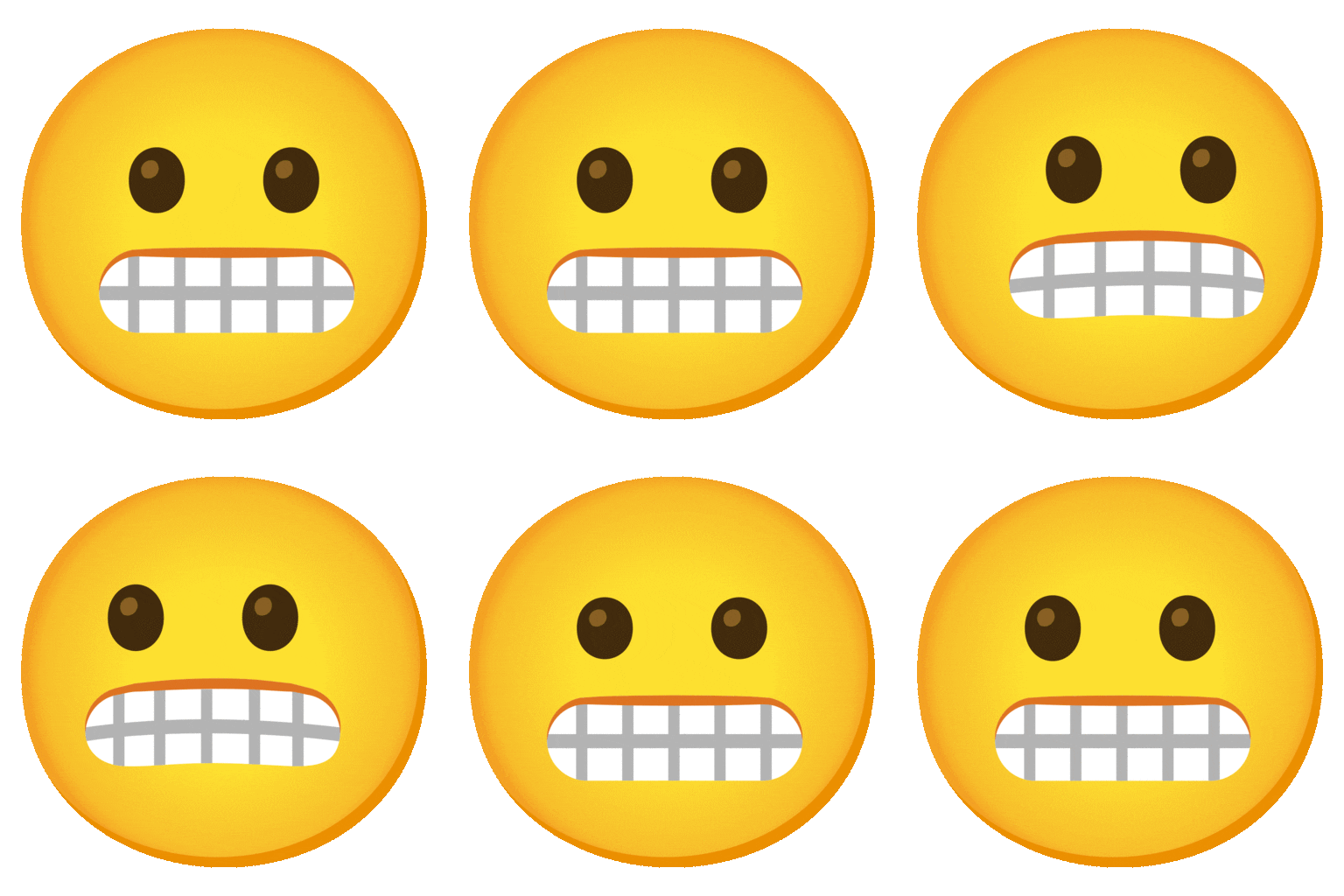
Represents awkwardness, discomfort, or a forced smile in an uncomfortable situation. It can also convey a sense of nervousness or anxiety. On some platforms, it appears more like a pained expression.
😓
Downcast Face with Sweat
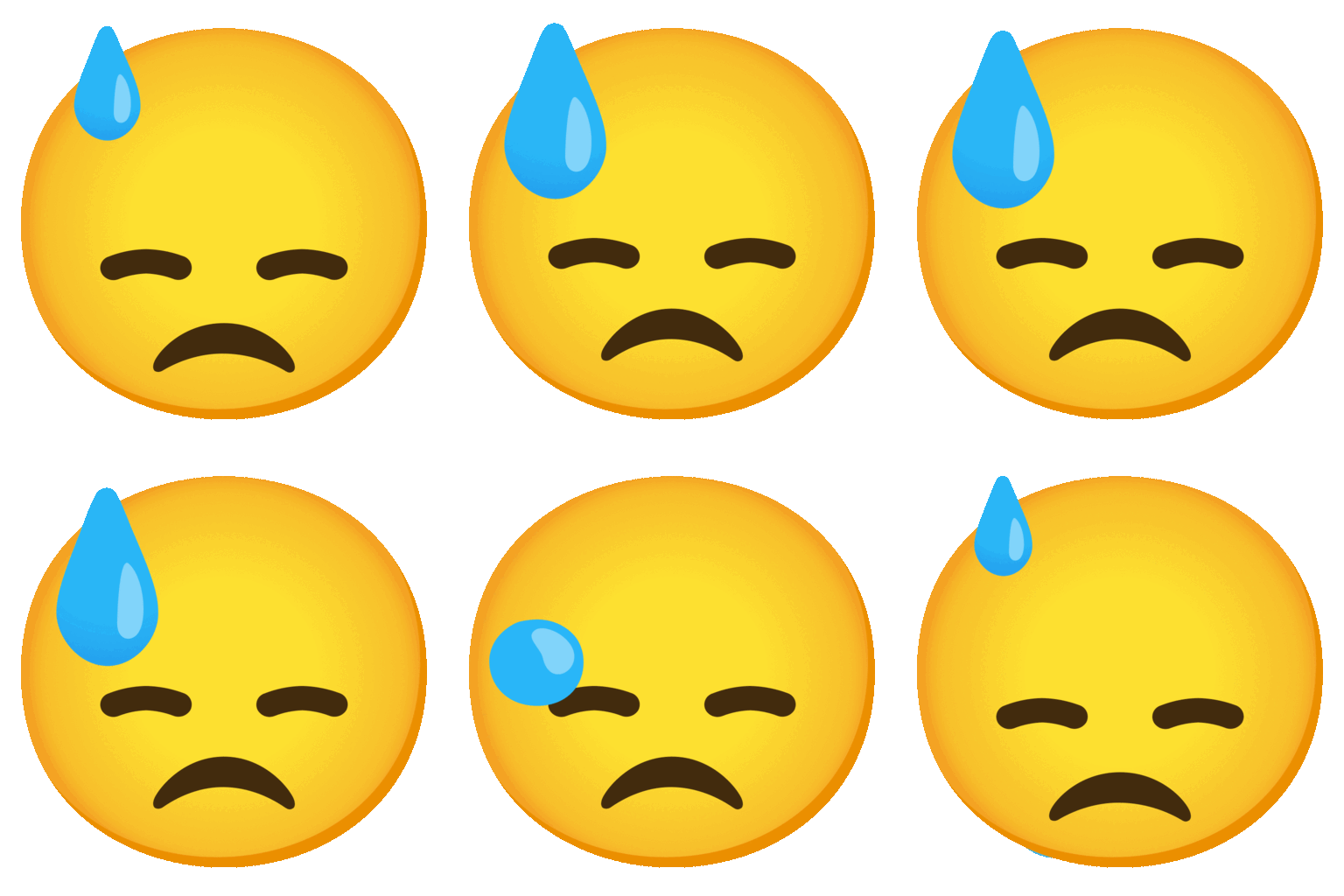
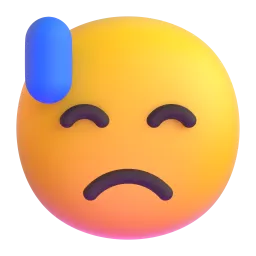
Often used to express stress, worry, or a difficult situation. The sweat drop indicates effort or anxiety. It can also imply relief after a stressful event.
😰
Anxious Face with Sweat
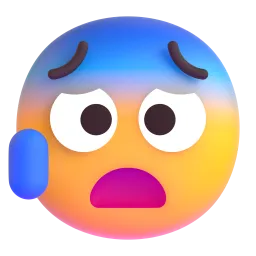
Similar to the previous emoji, but with a more intense expression of anxiety or fear. The open mouth and furrowed brow amplify the feeling of unease. It is often used in situations causing significant stress.
🤢
Nauseated Face
Represents feeling sick, disgusted, or repulsed by something. It can be used to express physical illness or a strong aversion to a person, object, or situation. The green face emphasizes the feeling of nausea.
🤕
Face with Head Bandage
Indicates physical injury or illness, specifically a head injury. It can also be used to express sympathy or concern for someone who is hurt. The bandage suggests a need for rest and recovery.
🥴
Woozy Face
This emoji conveys a feeling of being dizzy, disoriented, or intoxicated. It can also represent being overwhelmed or confused. The uneven eyes and slightly open mouth contribute to the woozy appearance.
😫
Tired Face
Represents extreme tiredness, exhaustion, or frustration. It can be used to express feeling overwhelmed by work, stress, or lack of sleep. The weary expression conveys a sense of being drained.
📱
Platform Appearances
😬 Grimacing Face
Google NotoApache 2.0
Twitter/XCC-BY 4.0
Noto AnimatedApache 2.0
Fluent 3DMIT
OpenMojiCC BY-SA 4.0
😓 Downcast Face with Sweat
Google NotoApache 2.0
Twitter/XCC-BY 4.0
Noto AnimatedApache 2.0
Fluent 3DMIT
OpenMojiCC BY-SA 4.0
😰 Anxious Face with Sweat
Google NotoApache 2.0
Twitter/XCC-BY 4.0
Noto AnimatedApache 2.0
Fluent 3DMIT
OpenMojiCC BY-SA 4.0
🤢 Nauseated Face
Google NotoApache 2.0
Twitter/XCC-BY 4.0
Noto AnimatedApache 2.0
Fluent 3DMIT
OpenMojiCC BY-SA 4.0
🤕 Face with Head Bandage
Google NotoApache 2.0
Twitter/XCC-BY 4.0
Noto AnimatedApache 2.0
Fluent 3DMIT
OpenMojiCC BY-SA 4.0
🥴 Woozy Face
Google NotoApache 2.0
Twitter/XCC-BY 4.0
Noto AnimatedApache 2.0
Fluent 3DMIT
OpenMojiCC BY-SA 4.0
ℹ️ All images shown are from open-licensed sources (Apache 2.0, MIT, CC-BY 4.0, CC BY-SA 4.0) and are free to use.
💬
Ready Messages
Copy and share
This meeting is so awkward 😬 I can't wait for it to be over.
I have a terrible headache 🤕 I think I need to lie down.
That smell is making me feel nauseous 🤢 I need some fresh air.
I'm so stressed about this deadline 😓 I don't know if I can finish it.
I'm feeling really anxious about the presentation 😰 I hope I don't mess up.
I'm so tired 😫 I need a vacation.
That was so embarrassing 😖 I can't believe I did that.
I think I ate something bad 🥴 My stomach is not happy.
🎨
Related Emojis
🤒
Face with Thermometer
🤕
Face with Head Bandage
🤮
Face Vomiting
🤧
Sneezing Face
😨
Fearful Face
😳
Flushed Face
😥
Sad but Relieved Face
😓
Downcast Face with Sweat
💡
Usage Tips
🎯
Consider the Context
Choose an emoji that accurately reflects the specific type of discomfort you're experiencing. Physical illness calls for different emojis than social awkwardness.
🎯
Be Mindful of Platform Differences
Emoji appearances can vary across platforms (Apple, Google, Samsung, Microsoft, WhatsApp). Check how your message looks on different devices to avoid misinterpretations.
🎯
Use Sparingly
Overusing emojis can dilute their impact. Use them strategically to emphasize key emotions and avoid overwhelming your message.
🎯
Know Your Audience
Consider your relationship with the recipient and the cultural context. What might be appropriate among friends could be inappropriate in a professional setting.
🎯
Combine with Text
Emojis are most effective when used in conjunction with text. Provide context and explain your feelings to ensure clarity.
🔗
Similar Combinations
Discover more emoji combinations related to Uncomfortable