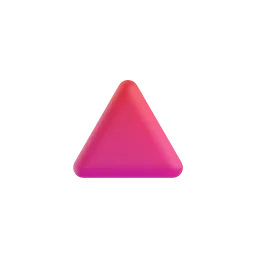
🔺
Red Up-Pointing Triangle
This emoji often signifies a warning, alert, or increase. It can also be used to represent the play button in some contexts. On some platforms, it may appear more orange than red.
Triangles, as fundamental geometric shapes, appear in various contexts, from mathematics and construction to music and warning signs. Emojis representing triangles are used to convey direction, hierarchy, or simply to add a geometric element to a message. The specific meaning often depends on the context of the conversation. For example, an upward-pointing triangle might indicate an increase or a play button, while a downward-pointing triangle could signify a decrease or a pause button. The red triangle is often associated with warnings or alerts. Understanding the nuances of these emojis can enhance your communication and add clarity to your digital interactions. Different platforms may render these emojis with slight variations in color, size, and style, but the core meaning remains consistent across devices and operating systems. Beyond their literal geometric representation, triangles can also symbolize more abstract concepts. In some cultures, triangles hold spiritual or religious significance. They can represent the Holy Trinity in Christianity or the three aspects of the self in various spiritual traditions. In design, triangles are often used to create visual interest and dynamism. The use of triangle emojis can therefore extend beyond simple geometric representation to encompass these broader symbolic meanings. When using triangle emojis, consider your audience and the potential for misinterpretation. Always strive to provide sufficient context to ensure your message is clear and effective. The versatility of triangle emojis makes them a valuable addition to your digital communication toolkit.
Copy most popular emojis with one click
Help grow the Triangle collection! Suggest emojis or symbols you think are missing and contribute to the community.
💡 Missing an emoji/symbol?
This emoji often signifies a warning, alert, or increase. It can also be used to represent the play button in some contexts. On some platforms, it may appear more orange than red.
Similar to the up-pointing triangle, this emoji can indicate a warning, alert, or decrease. It can also represent the pause button. The color may vary slightly across different platforms.
This emoji generally represents an upward direction or an increase. It's a more neutral version of the red triangle and can be used in various contexts without implying a warning.
This emoji signifies a downward direction or a decrease. It's the counterpart to the up-pointing triangle and is used in similar contexts to indicate a reduction or downward trend.
This emoji is universally recognized as the play button symbol. It's used to indicate the start of a video or audio playback. It is often used with other media-related emojis.
This emoji represents a general warning or caution. It's often used to alert someone to potential danger or a problem. It is commonly seen in system alerts and error messages.














ℹ️ All images shown are from open-licensed sources (Apache 2.0, MIT, CC-BY 4.0, CC BY-SA 4.0) and are free to use.
Copy and share
Always consider the context when using triangle emojis. Their meaning can change depending on the surrounding text and the overall message.
Be aware that triangle emojis may appear slightly different on different platforms. Test your messages to ensure they are displayed as intended.
Use triangle emojis in combination with other emojis to create more expressive and nuanced messages. For example, use 📈 with a chart emoji to indicate a positive trend.
Avoid overusing triangle emojis, as this can make your messages appear cluttered and confusing. Use them strategically to highlight key points or add visual interest.
Consider users with visual impairments. Provide alternative text descriptions for triangle emojis when possible to ensure your messages are accessible to everyone.
This content was created with AI technology, enriched with Unicode Consortium data and community contributions. AI Disclosure →