👘
Kimono
Represents the traditional dress of Japan. Often used to symbolize Japanese culture, elegance, and tradition. On some platforms, it may appear more detailed or stylized than others.
Traditional clothing emojis offer a vibrant way to represent diverse cultures and heritages. These emojis go beyond simple fashion statements, acting as symbols of identity, history, and community. From the kimono 👘 of Japan to the kilt 🏴 of Scotland, each emoji carries a rich cultural significance. Using these emojis respectfully and understanding their origins is crucial to avoid cultural appropriation. They can be used to celebrate cultural events, share personal heritage, or simply express appreciation for global diversity. However, it's important to be mindful of the context and audience when using these emojis, ensuring that they are used in a way that is respectful and celebratory, rather than trivializing or misrepresenting the cultures they represent. The availability and appearance of these emojis may vary across different platforms, so it's always a good idea to check how they appear on different devices to ensure your message is conveyed as intended.
Copy most popular emojis with one click
Help grow the Traditional Clothing collection! Suggest emojis or symbols you think are missing and contribute to the community.
💡 Missing an emoji/symbol?
Represents the traditional dress of Japan. Often used to symbolize Japanese culture, elegance, and tradition. On some platforms, it may appear more detailed or stylized than others.
While not directly a clothing emoji, the Scottish flag often implies the kilt, a traditional garment. It symbolizes Scottish heritage, pride, and cultural identity. Its appearance is consistent across platforms.
While not directly a clothing emoji, the Indian flag can allude to traditional Indian attire like the sari or kurta. It signifies Indian culture, festivals, and national pride. The flag's colors are standardized across platforms.
The flag of the UAE can represent traditional Arab clothing like the kandura or abaya. It symbolizes Emirati culture, heritage, and national identity. The flag's design is generally consistent.
While not directly a clothing emoji, the German flag can allude to traditional German clothing like lederhosen or dirndl, especially during Oktoberfest. It represents German culture and national pride. The flag's colors are standardized.
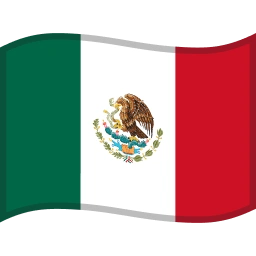
The flag of Mexico can represent traditional Mexican clothing like sombreros, serapes, or huipiles. It symbolizes Mexican culture, heritage, and national identity. The flag's design is generally consistent.















ℹ️ All images shown are from open-licensed sources (Apache 2.0, MIT, CC-BY 4.0, CC BY-SA 4.0) and are free to use.
Copy and share
Always consider the context and audience when using traditional clothing emojis. Ensure your usage is respectful and avoids cultural appropriation.
Be aware that the appearance of emojis can vary across different platforms (Apple, Google, Samsung, etc.). Check how they look on different devices to ensure your message is conveyed correctly.
Pairing clothing emojis with relevant country flags can add clarity and cultural context to your message.
Avoid overusing traditional clothing emojis, as it can diminish their impact and potentially be perceived as insensitive.
Take the time to learn about the cultural significance of the clothing represented by the emojis. This will help you use them more thoughtfully and respectfully.
This content was created with AI technology, enriched with Unicode Consortium data and community contributions. AI Disclosure →