🍀
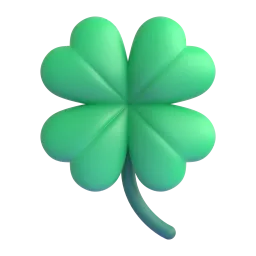
Four Leaf Clover Emoji
Represents good luck and fortune. Finding a four-leaf clover is considered lucky in many Western cultures. Use it to wish someone good luck or express optimism.
Superstitions are beliefs or practices, often irrational, that attribute supernatural causality to certain events or objects. They're deeply ingrained in cultures worldwide and often passed down through generations. Emojis can be used to represent common superstitions, express belief or disbelief in them, or add a touch of whimsy to conversations about luck and fate. This guide explores the meanings and uses of emojis related to various superstitions, from lucky charms to omens of bad luck. Understanding the cultural context behind these emojis can help you communicate more effectively and avoid misunderstandings. Whether you're knocking on wood or crossing your fingers, emojis can add a playful element to your discussions about the unexplained.
Copy most popular emojis with one click
Fun mashups created by combining Superstition emojis with Emoji Kitchen. Download and use them freely.


Help grow the Superstition collection! Suggest emojis or symbols you think are missing and contribute to the community.
💡 Missing an emoji/symbol?
Represents good luck and fortune. Finding a four-leaf clover is considered lucky in many Western cultures. Use it to wish someone good luck or express optimism.
Represents protection from the evil eye. The Nazar is a talisman believed to ward off negative energy and jealousy. It's commonly used in Middle Eastern and Mediterranean cultures.
Represents fortune-telling, divination, and the supernatural. It can be used to express interest in psychic abilities or to playfully suggest predicting the future. On some platforms, it appears more mystical than others.
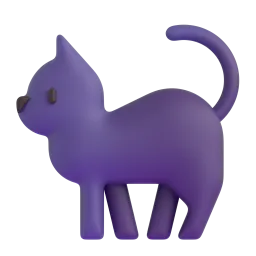
In some cultures, a black cat crossing your path is considered bad luck, while in others, it's a sign of good fortune. Use it to playfully reference this superstition or simply to represent a black cat.
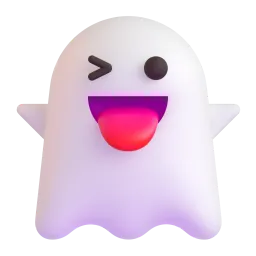
Represents spirits, the supernatural, and Halloween. It can also be used playfully to indicate being unseen or unnoticed. Its appearance varies significantly across platforms, from cute to spooky.
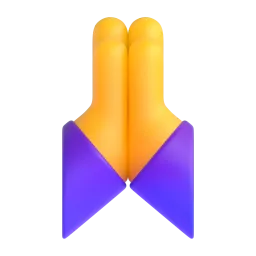
Represents prayer, gratitude, or a request. While not strictly a superstition, it's often used in situations where people are hoping for a positive outcome or seeking divine intervention.
Represents hoping for good luck or wishing for something to happen. It's a common gesture of anticipation and optimism. Use it when you're hoping for a favorable outcome.


 Noto Animated
Apache 2.0
Noto Animated
Apache 2.0





 Noto Animated
Apache 2.0
Noto Animated
Apache 2.0





 Noto Animated
Apache 2.0
Noto Animated
Apache 2.0


 Noto Animated
Apache 2.0
Noto Animated
Apache 2.0

ℹ️ All images shown are from open-licensed sources (Apache 2.0, MIT, CC-BY 4.0, CC BY-SA 4.0) and are free to use.
Copy and share
Superstitions vary greatly across cultures. Be mindful of the recipient's background when using superstition-related emojis to avoid misunderstandings.
Overusing superstition emojis can make your message seem insincere or overly dramatic. Use them selectively to add emphasis or humor.
Emojis alone may not always convey your intended meaning. Combine them with text to provide context and clarity.
Be aware that emoji appearances can vary across different platforms (Apple, Google, Samsung, etc.). Test your messages to ensure they display as intended.
Superstition emojis can be a fun way to add humor to your conversations. Use them playfully to lighten the mood or express skepticism.
This content was created with AI technology, enriched with Unicode Consortium data and community contributions. AI Disclosure →