The skeleton emoji 💀 is a versatile symbol that transcends its literal meaning. While it primarily represents death, mortality, and the macabre, its usage extends to humor, sarcasm, and even playful expressions of being 'dead tired.' The context in which it's used significantly influences its interpretation. For instance, it can mark Halloween festivities, express disbelief or shock ('I'm dead!'), or simply add a touch of dark humor to a conversation. Different platforms, such as Apple, Google, Samsung, and Microsoft, render the skeleton emoji with slight variations in design, but the core concept remains consistent. Some versions depict a full skeleton, while others show only the skull. These subtle differences can affect the overall tone of the message, but the underlying meaning is generally understood across platforms.
Beyond its association with death, the skeleton emoji has also found its place in internet culture as a symbol of being overwhelmed or exhausted. Someone might use it after a particularly grueling workout or a long day at work. In this context, it's a lighthearted way to express fatigue. Furthermore, the skeleton emoji can be used ironically to downplay a serious situation or to add a touch of irreverence. It's important to be mindful of your audience when using this emoji, as its association with death can be sensitive for some. However, in most casual conversations, it's generally accepted as a playful and humorous symbol. The skeleton emoji's adaptability and multifaceted meanings make it a popular choice for expressing a range of emotions and ideas in the digital world.
18+Emoji
8Messages
5Tips
⚡
Quick Copy
Copy most popular emojis with one click
💀
Skeleton
👻
Ghost
🎃
Jack-O-Lantern
🕸️
Spider Web
🦇
Bat
🕯️
Candle
⚰️
Coffin
🥀
Wilted Flower
😵
Dizzy Face
🤕
Face with Head Bandage
🧪 Emoji Mashups (Emoji Kitchen)
Fun mashups created by combining Skeleton emojis with Emoji Kitchen. Download and use them freely.
Help grow the Skeleton collection! Suggest emojis or symbols you think are missing and contribute to the community.
💡 Missing an emoji/symbol?
📖
Meaning & Usage
💀
Skeleton
Represents death, mortality, or something macabre. Can also be used humorously to express being 'dead' from laughter or exhaustion. Platform designs vary, some showing full skeletons and others just skulls.
👻
Ghost
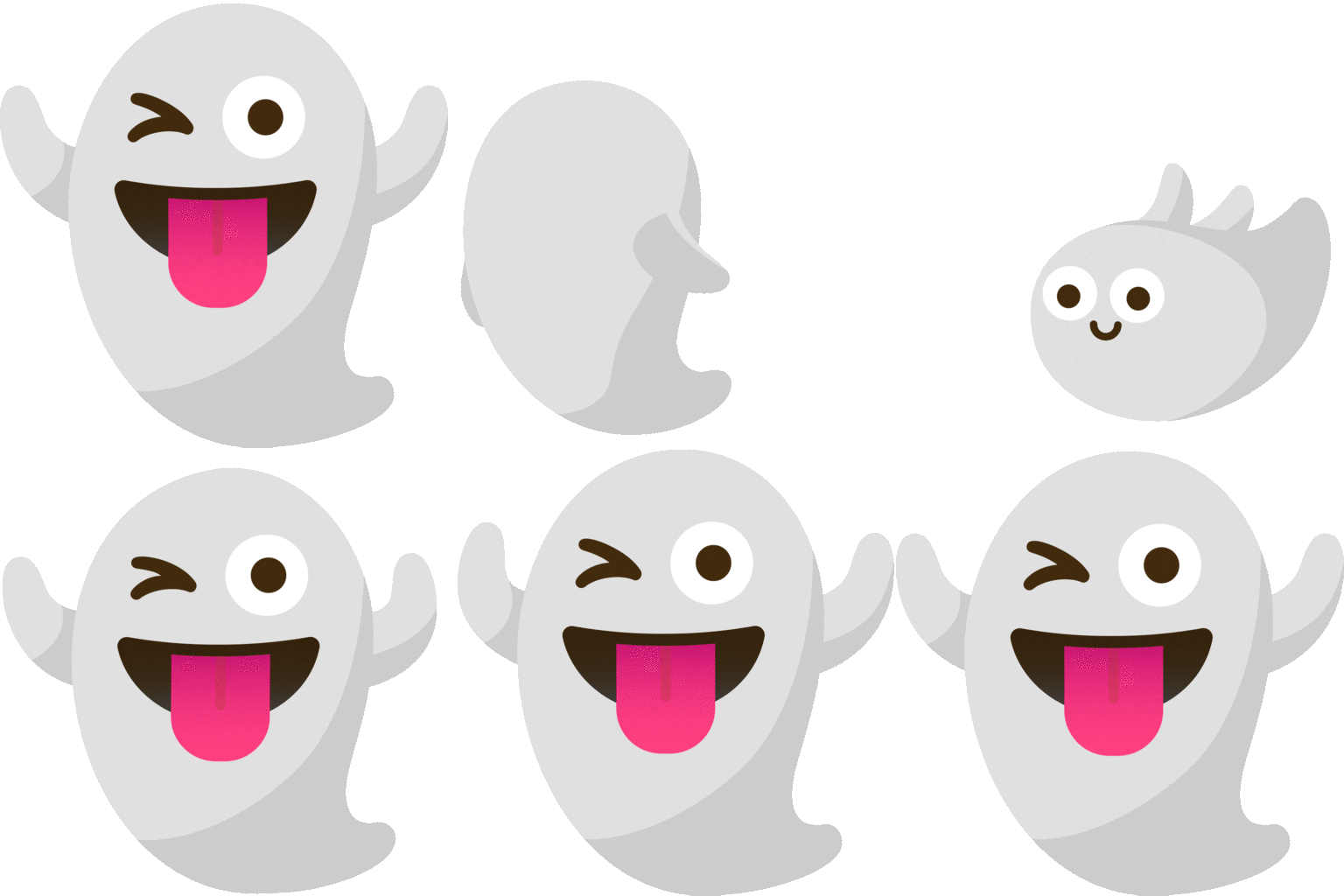
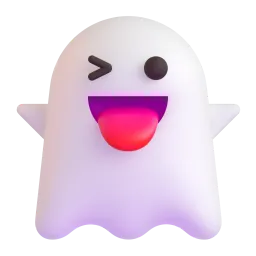
Represents ghosts, spirits, or the supernatural. Often used during Halloween or to express a spooky feeling. Its design varies across platforms, from cute to slightly scary.
🎃
Jack-O-Lantern
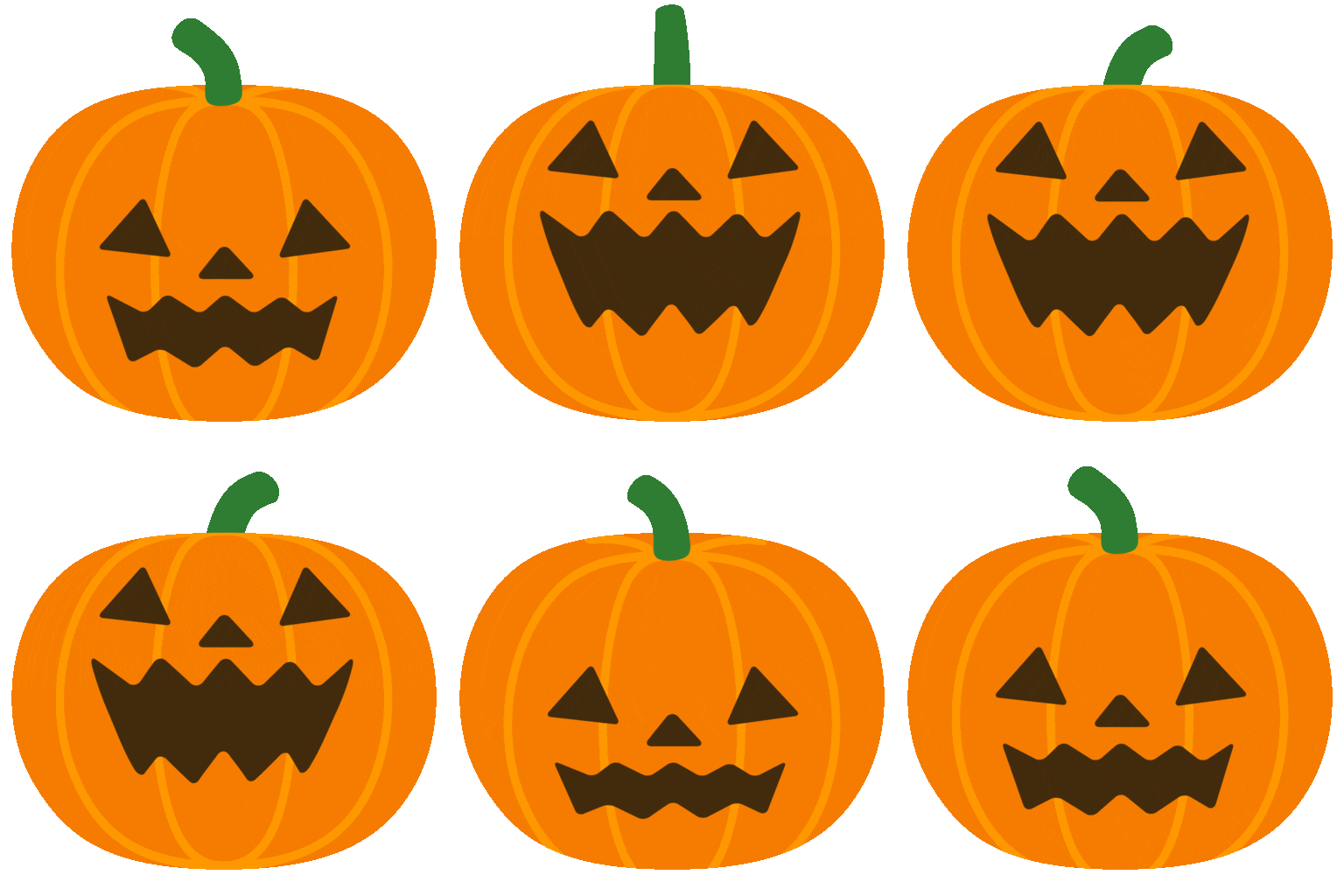
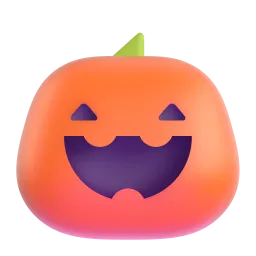
Represents Halloween and autumn festivities. Often used to decorate messages or express excitement for the holiday. The design typically features a carved pumpkin with a light inside.
😵
Dizzy Face
Represents dizziness, shock, or being overwhelmed. Can be used to express feeling faint or confused. The emoji typically features crossed eyes and a slightly open mouth.
🥀
Wilted Flower
Represents sadness, disappointment, or the end of something. Can be used to express heartbreak or the passing of time. It's the opposite of the blooming flower.
⚰️
Coffin
Represents death, burial, or mourning. Often used in a more serious context than the skeleton emoji. Its appearance is consistent across platforms.
📱
Platform Appearances
💀 Skeleton
Google NotoApache 2.0
Twitter/XCC-BY 4.0
Noto AnimatedApache 2.0
Fluent 3DMIT
OpenMojiCC BY-SA 4.0
👻 Ghost
Google NotoApache 2.0
Twitter/XCC-BY 4.0
Noto AnimatedApache 2.0
Fluent 3DMIT
OpenMojiCC BY-SA 4.0
🎃 Jack-O-Lantern
Google NotoApache 2.0
Twitter/XCC-BY 4.0
Noto AnimatedApache 2.0
Fluent 3DMIT
OpenMojiCC BY-SA 4.0
🕸️ Spider Web
Google NotoApache 2.0
Twitter/XCC-BY 4.0
OpenMojiCC BY-SA 4.0
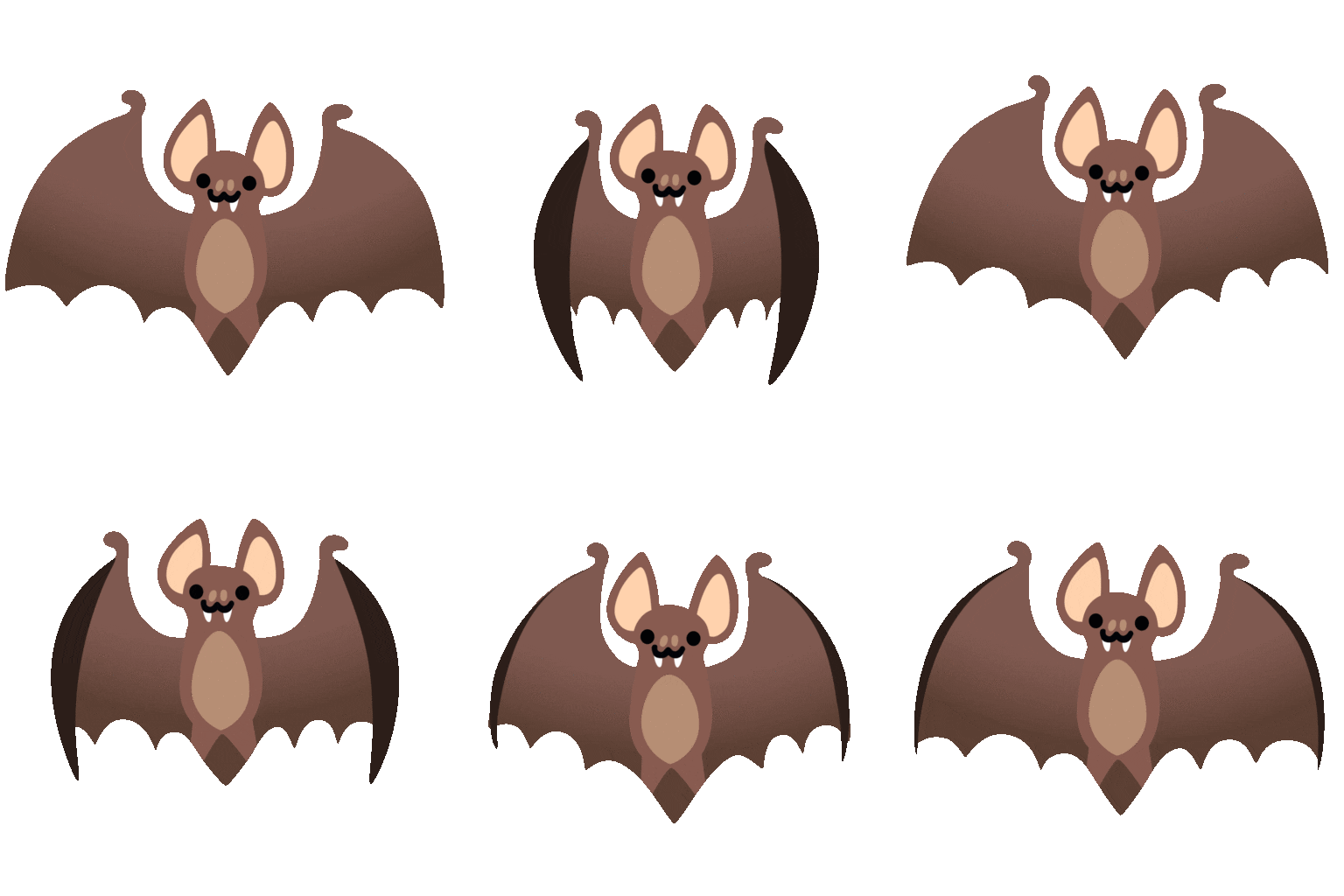
🦇 Bat
Google NotoApache 2.0
Noto AnimatedApache 2.0
OpenMojiCC BY-SA 4.0
🕯️ Candle
Google NotoApache 2.0
Twitter/XCC-BY 4.0
OpenMojiCC BY-SA 4.0
ℹ️ All images shown are from open-licensed sources (Apache 2.0, MIT, CC-BY 4.0, CC BY-SA 4.0) and are free to use.
💬
Ready Messages
Copy and share
Happy Halloween! 🎃👻💀
I'm so tired, I'm basically a skeleton right now 💀
That joke was so bad, I'm dead 💀😂
Just finished my workout... feeling like a skeleton 💀💪
This project is going to be the death of me 💀😩
Spooky season is here! 💀🦇🕸️
I can't believe that just happened! 💀😵
My dreams are dead 🥀💀
🎨
Related Emojis
💀
Skeletons
👻
Ghosts
🎃
Halloween
🧟
Zombies
🧛
Vampires
🪦
Tombstone
🕯️
Candles
🕸️
Spiders
💡
Usage Tips
🎯
Consider the Context
The skeleton emoji can be interpreted differently depending on the context. Be mindful of your audience and the overall tone of your message.
🎯
Platform Variations
Be aware that the appearance of the skeleton emoji may vary slightly across different platforms (Apple, Google, Samsung, etc.).
🎯
Humorous Usage
Use the skeleton emoji to add a touch of dark humor or sarcasm to your messages. It's great for expressing being 'dead' from laughter or exhaustion.
🎯
Halloween Decorations
Combine the skeleton emoji with other Halloween-themed emojis (ghost, pumpkin, bat) to create festive messages and decorations.
🎯
Expressing Exhaustion
Use the skeleton emoji to playfully express feeling tired or overwhelmed after a long day or a strenuous activity.
🔗
Similar Combinations
Discover more emoji combinations related to Skeleton