💂
Guard
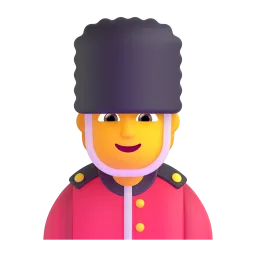
Represents a guard, often associated with the Royal Guard. Can be used to symbolize protection, security, or tradition. On some platforms, it appears as a British guard in a bearskin hat.
The Royal Guard, often associated with ceremonial duties and protecting royal residences, evokes images of tradition, discipline, and national pride. This guide explores the emojis that best represent the Royal Guard, their roles, and the associated symbolism. These emojis can be used to express admiration for the guards, commemorate historical events, or simply add a touch of regal flair to your messages. Understanding the nuances of these emojis allows for more effective and culturally sensitive communication, especially when discussing topics related to royalty, national identity, or historical events. From the stoic guard to the iconic bearskin hat, each emoji carries a specific meaning and can be used in various contexts to convey respect, admiration, or even a touch of humor. Consider the platform you're using, as emoji designs can vary slightly between Apple, Google, Samsung, and other providers, influencing how your message is perceived. Whether you're celebrating a royal event, discussing historical figures, or simply adding a touch of formality to your digital conversations, these emojis offer a versatile way to express yourself.
Copy most popular emojis with one click
Fun mashups created by combining Royal Guard emojis with Emoji Kitchen. Download and use them freely.


Help grow the Royal Guard collection! Suggest emojis or symbols you think are missing and contribute to the community.
💡 Missing an emoji/symbol?
Represents a guard, often associated with the Royal Guard. Can be used to symbolize protection, security, or tradition. On some platforms, it appears as a British guard in a bearskin hat.
Symbolizes royalty, power, and authority. Often used in conjunction with the guard emoji to represent the monarchy and the Royal Guard's role in protecting it. The design varies across platforms, from ornate to simple.
Represents the United Kingdom, where the Royal Guard is most prominently known. Used to show national pride or to indicate a connection to British culture and traditions. The flag's design is consistent across platforms.
Represents a castle or palace, the location often guarded by the Royal Guard. Symbolizes grandeur, history, and the seat of power. The design varies from fairytale-like to more realistic depictions.
Represents warfare, battle, or conflict. Can be used to symbolize the Royal Guard's role in defending the monarchy and the nation, although their primary role is ceremonial. The style of swords varies across platforms.
Represents honor, bravery, and service in the military. Can be used to acknowledge the dedication and commitment of the Royal Guard. The medal design varies across platforms.




 Noto Animated
Apache 2.0
Noto Animated
Apache 2.0








ℹ️ All images shown are from open-licensed sources (Apache 2.0, MIT, CC-BY 4.0, CC BY-SA 4.0) and are free to use.
Copy and share
Consider the context of your message when using Royal Guard emojis. Ensure it's appropriate and respectful, especially when discussing sensitive topics related to royalty or national identity.
Be aware that emoji designs can vary slightly between platforms (Apple, Google, Samsung, etc.). Test your messages to ensure the emojis appear as intended on different devices.
Combine multiple emojis to create more complex and nuanced messages. For example, use the guard emoji with the flag emoji to emphasize the national identity of the Royal Guard.
Avoid overusing Royal Guard emojis, as it can make your message seem insincere or even disrespectful. Use them strategically to enhance your message and add a touch of flair.
Be mindful of cultural sensitivities when using Royal Guard emojis, especially when communicating with people from different backgrounds. Avoid using them in a way that could be perceived as offensive or insensitive.
This content was created with AI technology, enriched with Unicode Consortium data and community contributions. AI Disclosure →