Emojis related to posture can be used to represent physical stance, body language, and even metaphorical positions in life. They can convey confidence, slouching, sitting, standing, or even lying down. In digital communication, these emojis add nuance to discussions about health, fitness, and overall well-being. They can also be used humorously to depict laziness or poor habits. Understanding the subtle differences in how these emojis are rendered across platforms (Apple, Google, Samsung, Microsoft, WhatsApp) is key to ensuring your message is accurately interpreted. For example, the person standing emoji might appear more upright on one platform compared to another, influencing the perceived message.
Beyond the literal representation of physical posture, these emojis can also symbolize one's position on a particular issue or their status in a social hierarchy. Someone who is 'standing tall' might be seen as confident and assertive, while someone who is 'lying down' might be perceived as relaxed or even defeated. The use of these emojis can be particularly effective in fitness-related contexts, where they can be used to illustrate proper form and technique. They are also useful in discussions about ergonomics and workplace health, where maintaining good posture is crucial. When using posture-related emojis, consider your audience and the context of your message to ensure that your intended meaning is clear and unambiguous. Remember that emojis can be interpreted differently by different people, so it's always a good idea to use them in conjunction with clear and concise language.
Help grow the Posture collection! Suggest emojis or symbols you think are missing and contribute to the community.
💡 Missing an emoji/symbol?
📖
Meaning & Usage
🧍
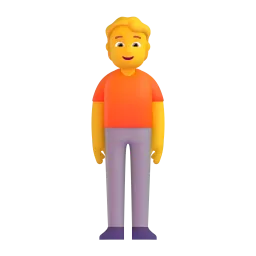
Person Standing
Represents a person in an upright, standing position. Can be used to indicate presence, readiness, or simply the act of standing. On some platforms, this emoji can be customized with skin tone modifiers.
🧎
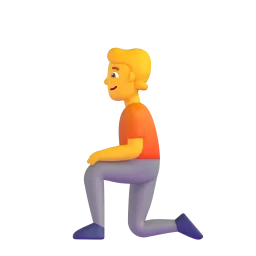
Person Kneeling
Depicts a person kneeling, often used to symbolize respect, submission, or prayer. The specific meaning can vary depending on the context. Skin tone modifiers are available on most platforms.
🚶
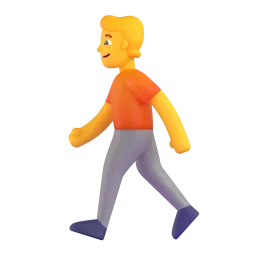
Person Walking
Represents a person walking, indicating movement, progress, or a leisurely stroll. Often used in the context of travel or exercise. The appearance varies across platforms, with some showing a more dynamic walking motion.
🧘
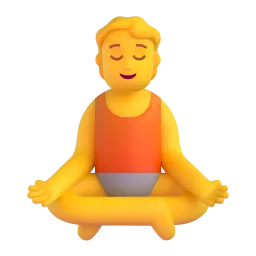
Person in Lotus Position
Shows a person meditating in the lotus position, symbolizing peace, mindfulness, and spiritual practice. Commonly used in discussions about yoga, meditation, and mental well-being. Skin tone modifiers are generally supported.
🛌
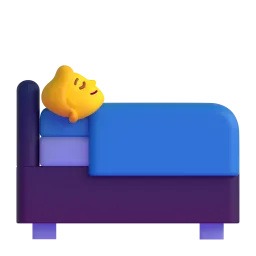
Person Lying Down
Represents a person lying in bed, often used to indicate sleep, rest, or illness. The appearance varies across platforms, with some showing a more detailed bed and bedding. Can also convey relaxation or laziness.
🤸
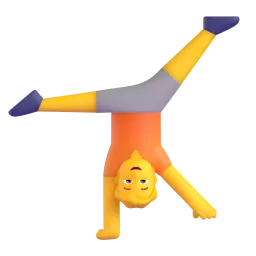
Person Doing Cartwheel
Depicts a person performing a cartwheel, symbolizing flexibility, agility, and fun. Often used in the context of gymnastics or playful activities. Skin tone modifiers are usually available.
📱
Platform Appearances
🧍 Person Standing
Google NotoApache 2.0
Twitter/XCC-BY 4.0
Fluent 3DMIT
OpenMojiCC BY-SA 4.0
🧎 Person Kneeling
Google NotoApache 2.0
Twitter/XCC-BY 4.0
Fluent 3DMIT
OpenMojiCC BY-SA 4.0
🚶 Person Walking
Google NotoApache 2.0
Twitter/XCC-BY 4.0
Fluent 3DMIT
OpenMojiCC BY-SA 4.0
🧘 Person in Lotus Position
Google NotoApache 2.0
Twitter/XCC-BY 4.0
Fluent 3DMIT
OpenMojiCC BY-SA 4.0
🛌 Person Lying Down
Google NotoApache 2.0
Twitter/XCC-BY 4.0
Fluent 3DMIT
OpenMojiCC BY-SA 4.0
🤸 Person Doing Cartwheel
Google NotoApache 2.0
Twitter/XCC-BY 4.0
Fluent 3DMIT
OpenMojiCC BY-SA 4.0
ℹ️ All images shown are from open-licensed sources (Apache 2.0, MIT, CC-BY 4.0, CC BY-SA 4.0) and are free to use.
💬
Ready Messages
Copy and share
Remember to sit up straight while working! 🧍💻
Taking a break to stretch and improve my posture. 🧘
Feeling tired after a long day, time to lie down. 🛌
Just finished my yoga session! Feeling refreshed and aligned. 🧘♀️
Let's go for a walk and enjoy the sunshine! 🚶♀️☀️
Practicing my balance and posture. 🤸♀️
Remember to take breaks and avoid slouching! 🧍
Feeling grateful and grounded. 🙏🧎
🎨
Related Emojis
🧍
Standing
🧎
Kneeling
🚶
Walking
🧘
Meditating
🛌
Lying Down
🤸
Cartwheel
🏋️
Weightlifting
🧑💻
Working
💡
Usage Tips
🎯
Platform Variations
Be aware that posture emojis can look different across platforms (Apple, Google, Samsung, etc.). Test how they appear to your recipients to avoid misinterpretations.
🎯
Skin Tone Modifiers
Many posture emojis support skin tone modifiers. Use them to represent diversity and inclusivity in your messages.
🎯
Context is Key
The meaning of a posture emoji can change depending on the context. Consider your audience and the overall message you're trying to convey.
🎯
Combine with Other Emojis
Enhance your message by combining posture emojis with other relevant emojis. For example, use the person standing emoji with a computer emoji to represent someone working at a desk.
🎯
Subtle Nuances
Pay attention to the subtle nuances of each posture emoji. Some may convey confidence, while others may suggest relaxation or even defeat. Choose the emoji that best reflects your intended meaning.
🔗
Similar Combinations
Discover more emoji combinations related to Posture