Fly Emoji
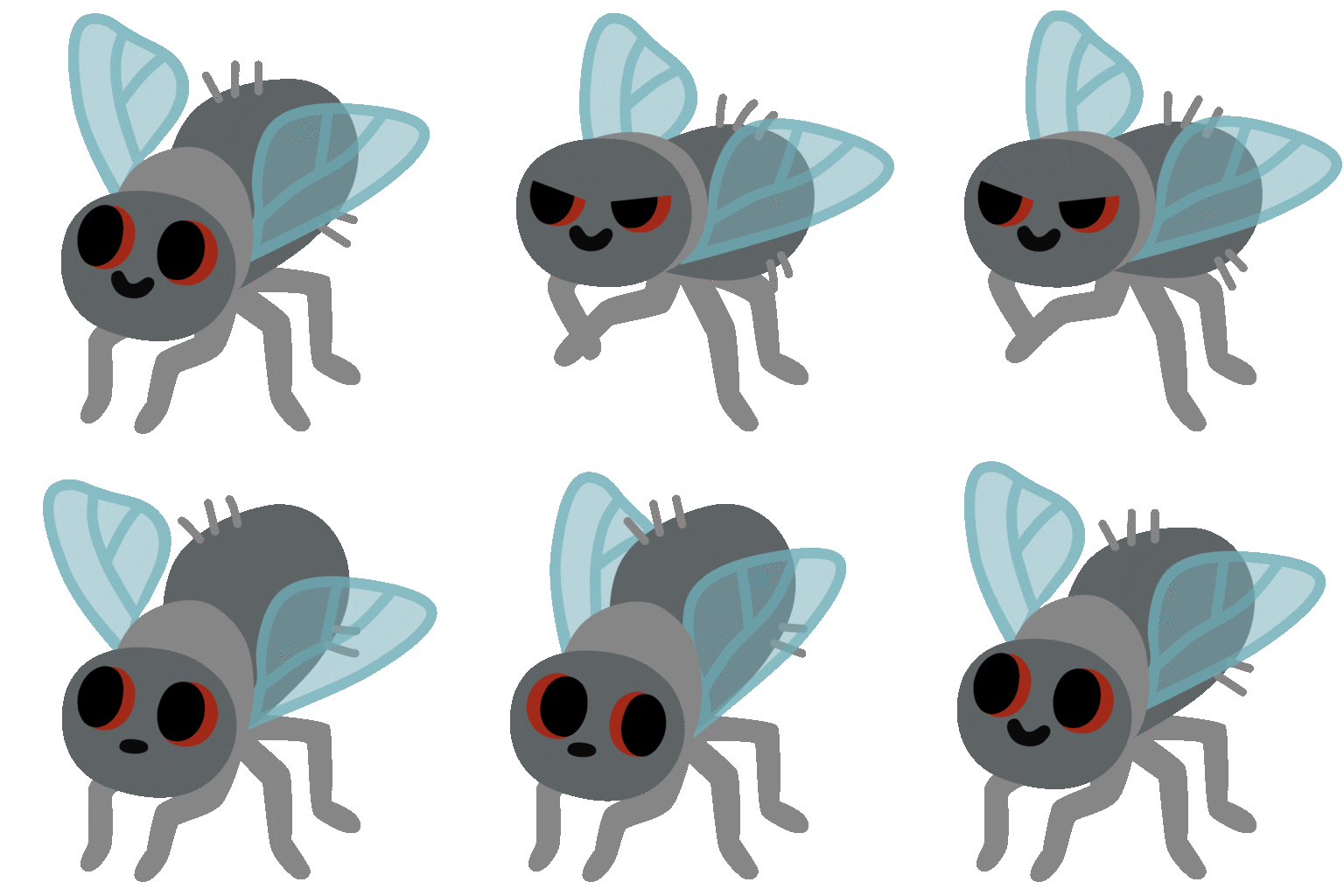
Represents a common housefly, often associated with dirt, decay, and general unpleasantness. Can be used to express disgust or indicate unsanitary conditions. On some platforms, it appears more cartoonish than realistic.
Navigating the world of "pest" emojis can be tricky, as the term itself has multiple meanings. It can refer to annoying insects or rodents, or it can describe a person who is bothersome. This guide explores the various emojis that can represent pests in both senses, offering context and usage tips to help you communicate effectively. Whether you're discussing garden invaders, household nuisances, or simply describing someone's irritating behavior, understanding the nuances of these emojis is essential. We'll delve into the symbolic meanings, cultural interpretations, and even potential misinterpretations to ensure your emoji game is on point. From creepy crawlies to exasperated faces, this guide covers it all.
Copy most popular emojis with one click
Fun mashups created by combining Pest emojis with Emoji Kitchen. Download and use them freely.
Help grow the Pest collection! Suggest emojis or symbols you think are missing and contribute to the community.
💡 Missing an emoji/symbol?
Represents a common housefly, often associated with dirt, decay, and general unpleasantness. Can be used to express disgust or indicate unsanitary conditions. On some platforms, it appears more cartoonish than realistic.
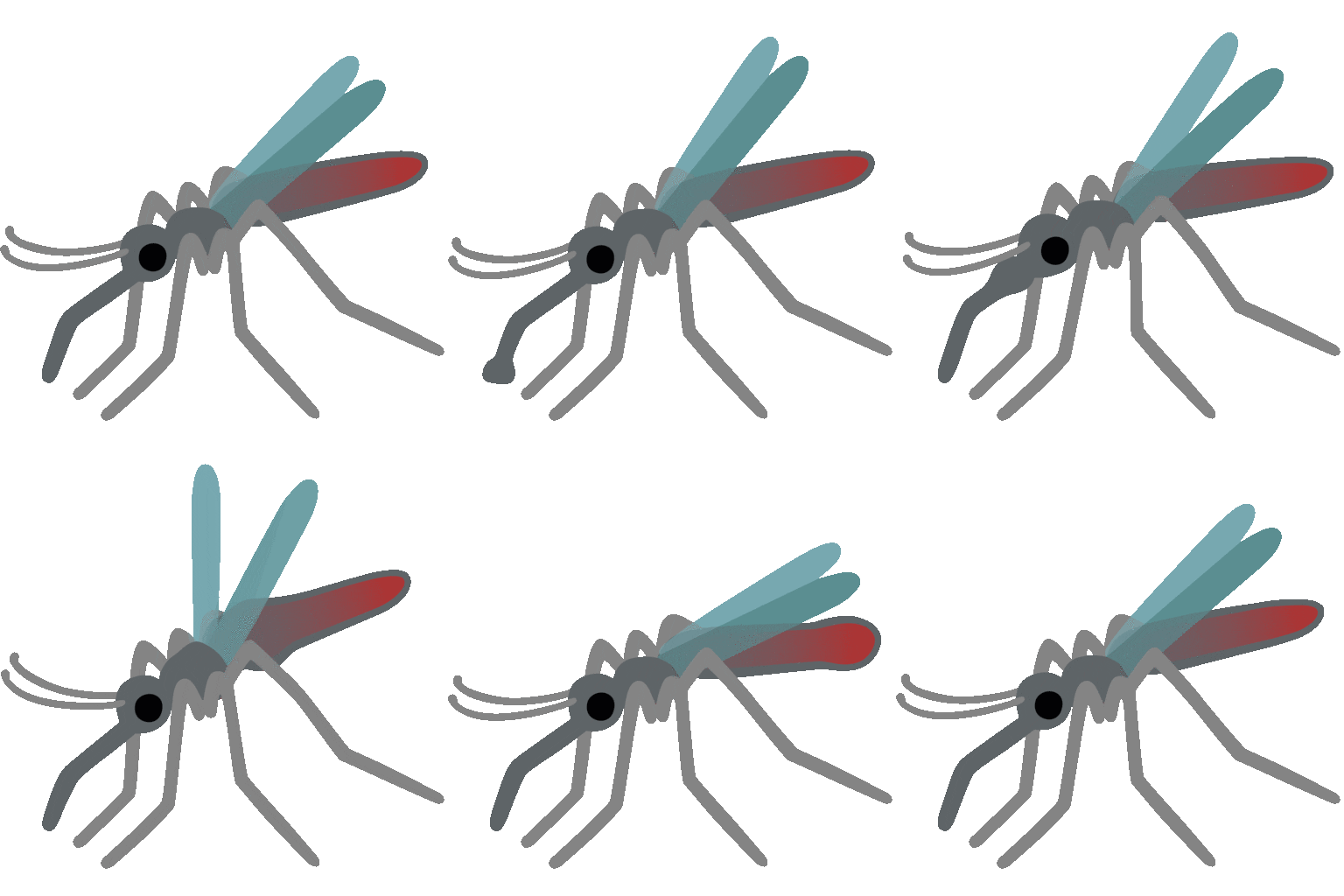
Depicts a mosquito, a notorious blood-sucking insect. Commonly used to represent summer annoyances, disease vectors, and the itchy aftermath of a mosquito bite. Its appearance is fairly consistent across platforms.
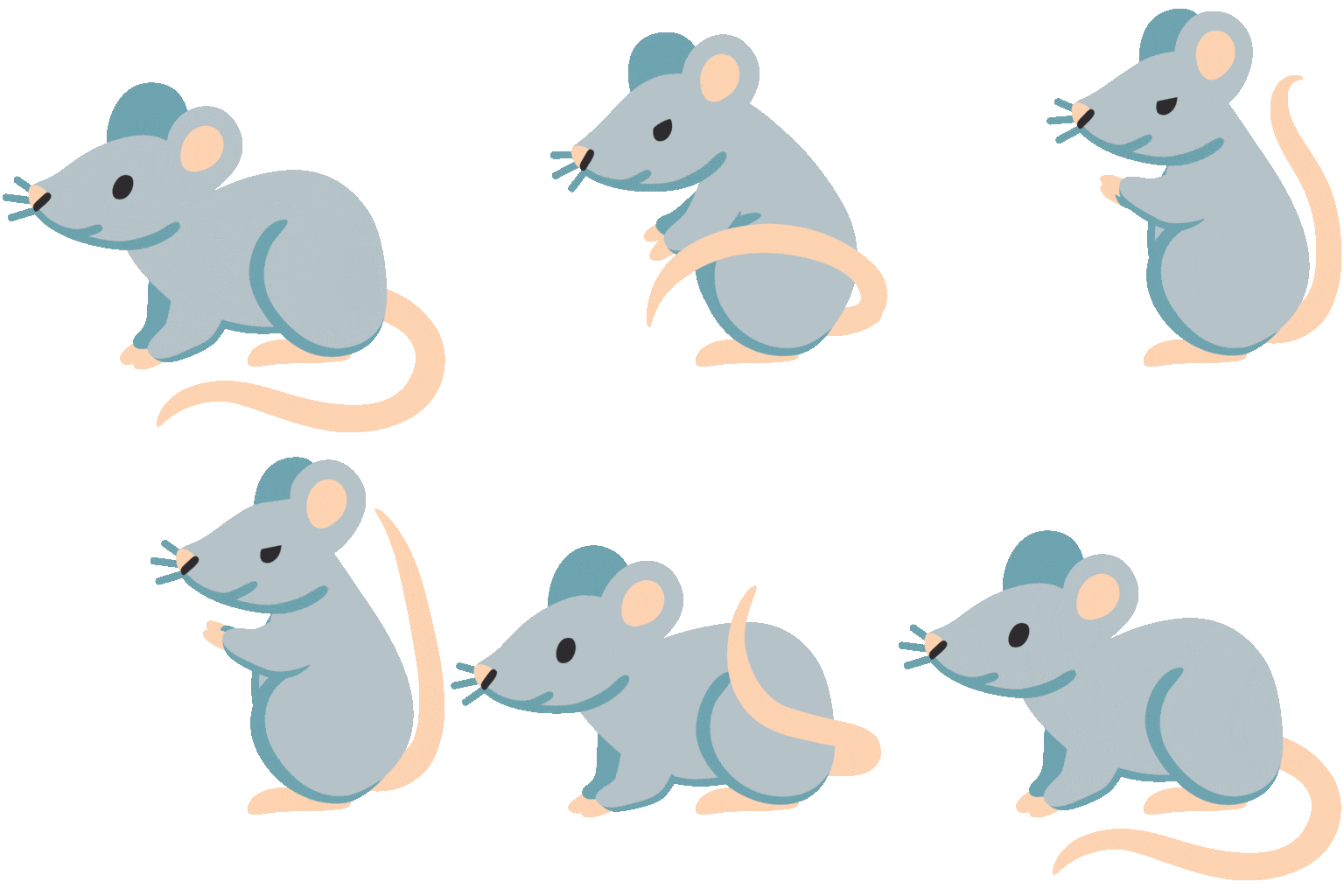
Represents a rat, often associated with filth, disease, and urban environments. Can also symbolize betrayal or untrustworthiness. In some cultures, rats are seen as symbols of resourcefulness and intelligence, but in most Western contexts, it carries negative connotations. Design varies slightly across platforms, with some appearing more cartoonish.
Represents anger, annoyance, or frustration. Can be used to express feelings towards a person or situation perceived as a 'pest'. The intensity of the anger can vary depending on context. The design varies slightly across platforms, with some appearing more cartoonish.
Represents disdain, boredom, or exasperation. Often used to express a dismissive attitude towards someone being a 'pest' or acting annoyingly. The rolling eyes convey a sense of disbelief or impatience. This emoji is universally understood across platforms.
Represents extreme anger or frustration, often used to indicate that someone is using profanity or is incredibly annoyed. It's a stronger expression than the angry face and implies a high level of irritation. The symbols covering the mouth are consistent across platforms.
Noto Animated
Apache 2.0
Noto Animated
Apache 2.0
Noto Animated
Apache 2.0
Noto Animated
Apache 2.0
Noto Animated
Apache 2.0
Noto Animated
Apache 2.0
ℹ️ All images shown are from open-licensed sources (Apache 2.0, MIT, CC-BY 4.0, CC BY-SA 4.0) and are free to use.
Copy and share
Consider your audience and the context of your message when using 'pest' emojis. An insect emoji might be appropriate for discussing garden problems, while an angry face might be better for describing an annoying person.
Be aware that emoji designs can vary across platforms. A rat emoji on Apple might look different on Android, potentially affecting the tone of your message. Test on different devices if possible.
Combine multiple emojis to amplify your message. For example, using a fly emoji with an angry face can strongly convey your annoyance with the insect.
Some emojis can be misinterpreted. Ensure your message is clear and avoid using 'pest' emojis in sensitive or professional contexts where they might be offensive.
Emojis can lighten the mood. Use 'pest' emojis humorously to express mild annoyance or frustration without being overly negative.
This content was created with AI technology, enriched with Unicode Consortium data and community contributions. AI Disclosure →