💠
Diamond with a Dot
Represents a decorative diamond shape, often used to symbolize geometric patterns or intricate designs. It can also be used to add visual flair to text.
Patterns are all around us, from the repeating designs in nature to the structured layouts of our digital interfaces. Emojis can be used to represent different types of patterns, whether you're talking about fabric designs, mathematical sequences, or even behavioral trends. This guide explores the various ways you can use emojis to express the concept of patterns, adding visual interest and clarity to your messages. Understanding the nuances of these emojis can help you communicate more effectively and creatively in the digital world. When using pattern-related emojis, consider the context of your message. Are you discussing a visual pattern, like stripes or polka dots? Or are you referring to a more abstract pattern, such as a sequence of events or a trend in data? Choosing the right emoji can help you convey your intended meaning more precisely. For example, you might use the spiral shell emoji to represent a Fibonacci sequence, or the graph increasing emoji to illustrate a growing trend. Experiment with different combinations of emojis to create unique and expressive visual representations of patterns. Beyond their literal meanings, pattern emojis can also be used to express creativity and individuality. Use them to decorate your social media posts, add flair to your digital artwork, or simply express your appreciation for the beauty of patterns in the world around you. Whether you're a designer, a mathematician, or simply someone who enjoys visual aesthetics, pattern emojis offer a versatile and engaging way to communicate your ideas and connect with others.
Copy most popular emojis with one click
Fun mashups created by combining Pattern emojis with Emoji Kitchen. Download and use them freely.


Help grow the Pattern collection! Suggest emojis or symbols you think are missing and contribute to the community.
💡 Missing an emoji/symbol?
Represents a decorative diamond shape, often used to symbolize geometric patterns or intricate designs. It can also be used to add visual flair to text.
Represents a swirling vortex, often used to depict weather patterns or abstract concepts like chaos and change. It can also symbolize a spiral pattern.
Represents a graph showing an upward trend, often used to illustrate growth, progress, or positive patterns in data. Different platforms display the chart with varying colors and styles.
Represents a graph showing a downward trend, often used to illustrate decline, loss, or negative patterns in data. The visual style varies across platforms, but the meaning remains consistent.
Represents a seashell, often used to symbolize the beauty of nature and the spiral patterns found in many shells (Fibonacci sequence). It can also represent the beach or ocean.
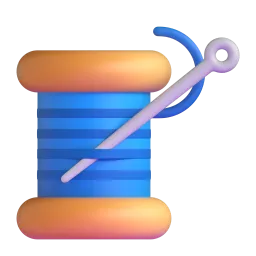
Represents a strand of thread, often used to symbolize sewing, crafting, or the interconnectedness of things. It can also represent a repeating pattern in fabric.
Represents a brick, often used to symbolize construction, building, or a solid foundation. It can also represent a repeating pattern in a wall.




 Noto Animated
Apache 2.0
Noto Animated
Apache 2.0



 Noto Animated
Apache 2.0
Noto Animated
Apache 2.0


 Noto Animated
Apache 2.0
Noto Animated
Apache 2.0





ℹ️ All images shown are from open-licensed sources (Apache 2.0, MIT, CC-BY 4.0, CC BY-SA 4.0) and are free to use.
Copy and share
Use multiple emojis to create a more specific representation of a pattern. For example, use 🧱🧱🧱 to emphasize a repeating brick pattern.
Be aware that emojis can appear differently across platforms. Test your emoji combinations on different devices to ensure they convey the intended meaning.
Incorporate pattern emojis into your social media posts, presentations, and digital artwork to add visual interest and enhance your message.
Use pattern emojis to symbolize abstract concepts like trends, sequences, and cycles. Get creative with your interpretations!
Use emojis like ✅ or 💠 to add visual interest to bulleted lists and break up text.
This content was created with AI technology, enriched with Unicode Consortium data and community contributions. AI Disclosure →