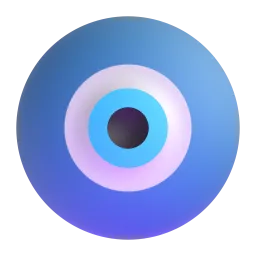
The Nazar amulet, also known as the evil eye, is a symbol believed to protect against negative energy and bad luck. This belief is prevalent in many cultures, particularly in the Mediterranean and Middle East. The amulet is typically blue and white, resembling an eye, and is worn as jewelry, hung in homes, or displayed in cars. Using emojis related to the Nazar amulet can add a layer of cultural understanding and protection to your digital communication. These emojis can convey good luck, ward off negativity, and show appreciation for cultural traditions. Whether you're sharing travel photos, expressing concern for a friend, or simply adding a touch of cultural flair to your messages, the Nazar amulet emojis can be a powerful and meaningful addition.
When using Nazar amulet emojis, consider the context and your audience. In some cultures, the belief in the evil eye is very strong, so using these emojis can be seen as a genuine gesture of protection and goodwill. In other contexts, it might be seen as a fun and quirky way to add some personality to your messages. Be mindful of cultural sensitivities and avoid using the emojis in a way that could be seen as disrespectful or appropriative. You can combine the Nazar amulet emoji with other emojis to create more complex and nuanced messages. For example, pairing it with a heart emoji can express love and protection, while pairing it with a prayer emoji can convey a wish for good fortune. Experiment with different combinations to find the perfect way to express your intentions and connect with your audience.
16+Emoji
8Messages
5Tips
⚡
Quick Copy
Copy most popular emojis with one click
🧿
Nazar Amulet
💙
Blue Heart
🙏
Folded Hands
✨
Sparkles
🍀
Four Leaf Clover
🕊️
Dove
😇
Smiling Face with Halo
🧿
Evil Eye
🧪 Emoji Mashups (Emoji Kitchen)
Fun mashups created by combining Nazar Amulet emojis with Emoji Kitchen. Download and use them freely.
Help grow the Nazar Amulet collection! Suggest emojis or symbols you think are missing and contribute to the community.
💡 Missing an emoji/symbol?
📖
Meaning & Usage
🧿
Nazar Amulet
Represents the Nazar amulet, a symbol used to ward off the evil eye and protect against negative energy. It is widely used in Mediterranean and Middle Eastern cultures. On most platforms, it appears as a blue and white eye-shaped bead.
💙
Blue Heart
While not directly related to the Nazar, the blue heart can symbolize trust, peace, and harmony, complementing the protective nature of the amulet. It can also represent the blue color often associated with the Nazar.
🙏
Folded Hands
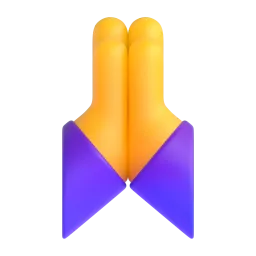
Represents prayer or a wish for good fortune. Can be used in conjunction with the Nazar emoji to express hope for protection and blessings. Differs slightly across platforms, but generally shows two hands pressed together.
✨
Sparkles
Represents positivity, good vibes, and a touch of magic. Can be used to enhance the protective and positive energy associated with the Nazar amulet. Appears as a cluster of small stars on most platforms.
🍀
Four Leaf Clover
A symbol of good luck and fortune, often used to complement the protective qualities of the Nazar amulet. It's a universally recognized symbol of luck across many cultures.
😇
Smiling Face with Halo
Represents innocence, goodness, and protection from above. Can be used to convey a sense of divine protection alongside the Nazar amulet.
📱
Platform Appearances
🧿 Nazar Amulet
Google NotoApache 2.0
Twitter/XCC-BY 4.0
Fluent 3DMIT
OpenMojiCC BY-SA 4.0
💙 Blue Heart
Google NotoApache 2.0
Twitter/XCC-BY 4.0
Noto AnimatedApache 2.0
Fluent 3DMIT
OpenMojiCC BY-SA 4.0
🙏 Folded Hands
Google NotoApache 2.0
Twitter/XCC-BY 4.0
Noto AnimatedApache 2.0
Fluent 3DMIT
OpenMojiCC BY-SA 4.0
✨ Sparkles
Google NotoApache 2.0
Twitter/XCC-BY 4.0
Noto AnimatedApache 2.0
Fluent 3DMIT
OpenMojiCC BY-SA 4.0
🍀 Four Leaf Clover
Google NotoApache 2.0
Twitter/XCC-BY 4.0
Noto AnimatedApache 2.0
Fluent 3DMIT
OpenMojiCC BY-SA 4.0
🕊️ Dove
Google NotoApache 2.0
Twitter/XCC-BY 4.0
Noto AnimatedApache 2.0
OpenMojiCC BY-SA 4.0
ℹ️ All images shown are from open-licensed sources (Apache 2.0, MIT, CC-BY 4.0, CC BY-SA 4.0) and are free to use.
💬
Ready Messages
Copy and share
Sending you good vibes and protection! 🧿💙✨
May the Nazar keep you safe from harm. 🙏🧿
Wishing you all the best and warding off any negativity. 🧿🍀
Protecting you from the evil eye! 🧿😇
Thinking of you and sending positive energy your way. 💙🧿✨
Hope you have a lucky day! 🧿🍀✨
Stay safe and protected! 🧿🙏
Sending you love and good fortune. 💙🧿
🎨
Related Emojis
🧿
Amulets
💙
Blue
🙏
Prayer
✨
Sparkles
🍀
Luck
😇
Protection
🧿
Evil Eye
🕊️
Peace
💡
Usage Tips
🎯
Context is Key
Consider your audience and the cultural context when using Nazar amulet emojis. Be mindful of sensitivities.
🎯
Combine with Other Emojis
Pair the Nazar emoji with other emojis like hearts, sparkles, or prayer hands to create more nuanced messages.
🎯
Use for Travel Posts
Add the Nazar emoji to your travel photos from countries where the amulet is prevalent to show appreciation for the local culture.
🎯
Express Concern
Use the Nazar emoji when expressing concern for a friend or loved one to convey your wish for their safety and well-being.
🎯
Platform Variations
Be aware that the appearance of the Nazar Amulet emoji may vary slightly across different platforms (Apple, Google, Samsung, etc.).
🔗
Similar Combinations
Discover more emoji combinations related to Nazar Amulet