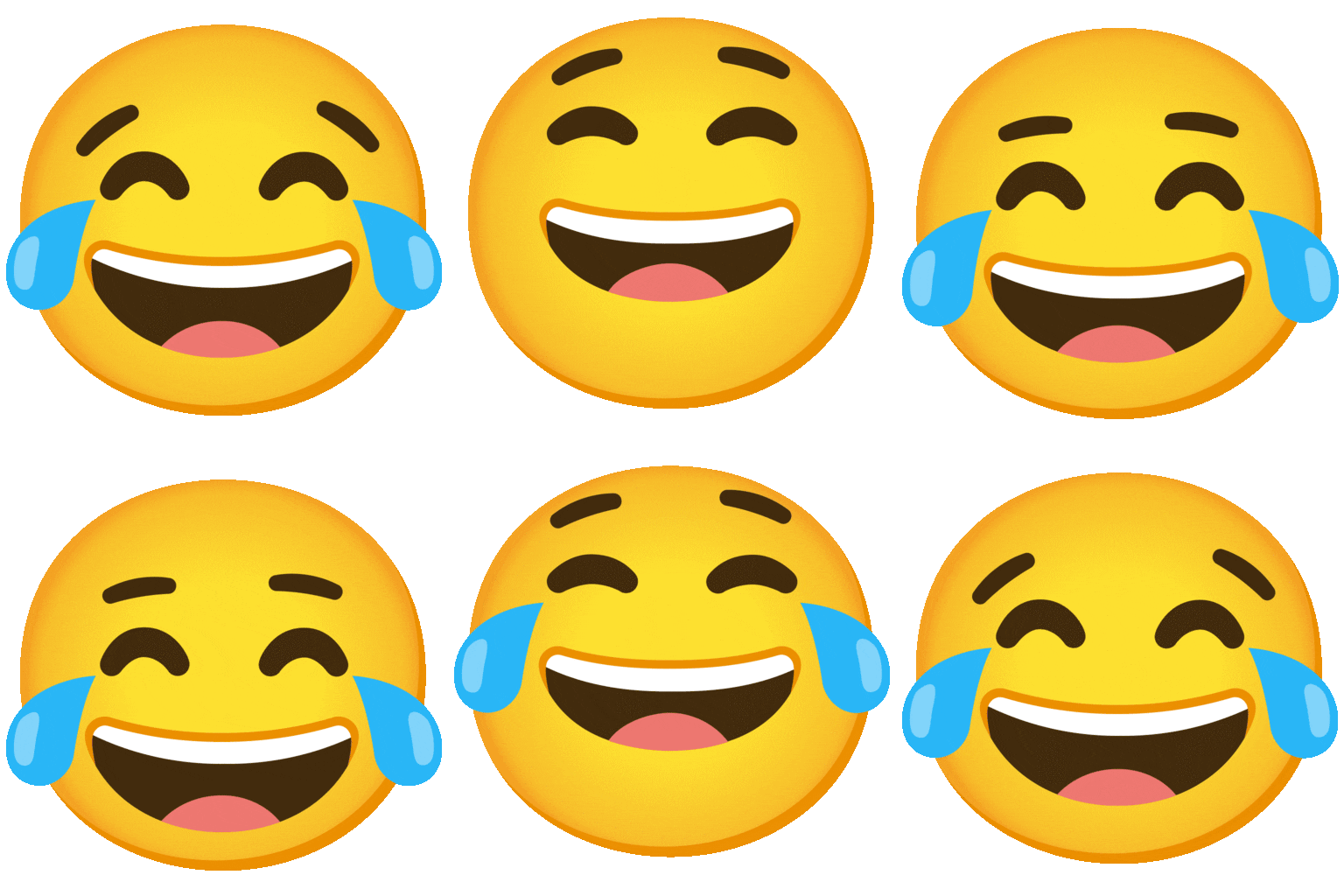
Face with Tears of Joy
Often used to express amusement, but can also be used sarcastically to mock something perceived as ridiculous. Its widespread use can sometimes dilute its impact, making it a safer option for lighthearted mockery.
Mocking, at its core, involves making fun of someone or something, often with the intent to ridicule or belittle. Emojis can add layers of nuance to this complex emotion, ranging from playful teasing to outright sarcasm and derision. Understanding the subtle differences between these emojis is crucial to avoid miscommunication and ensure your message is received as intended. The context in which you use these emojis is paramount, as what might be acceptable between close friends could be offensive in a professional setting or when directed at someone you don't know well. When using emojis to convey mocking, consider your audience and the potential impact of your message. A winking face might soften a sarcastic comment among friends, but a rolling eyes emoji could be interpreted as disrespectful in a more formal context. Pay attention to the specific design of the emoji across different platforms, as subtle variations in facial expressions can significantly alter the perceived tone. For example, the smirk emoji on Apple devices might appear more mischievous than on Google's Android, where it could come across as more condescending. Ultimately, thoughtful emoji selection and awareness of your audience are key to navigating the delicate art of digital mockery without causing offense.
Copy most popular emojis with one click
Fun mashups created by combining Mocking emojis with Emoji Kitchen. Download and use them freely.
Help grow the Mocking collection! Suggest emojis or symbols you think are missing and contribute to the community.
💡 Missing an emoji/symbol?
Often used to express amusement, but can also be used sarcastically to mock something perceived as ridiculous. Its widespread use can sometimes dilute its impact, making it a safer option for lighthearted mockery.
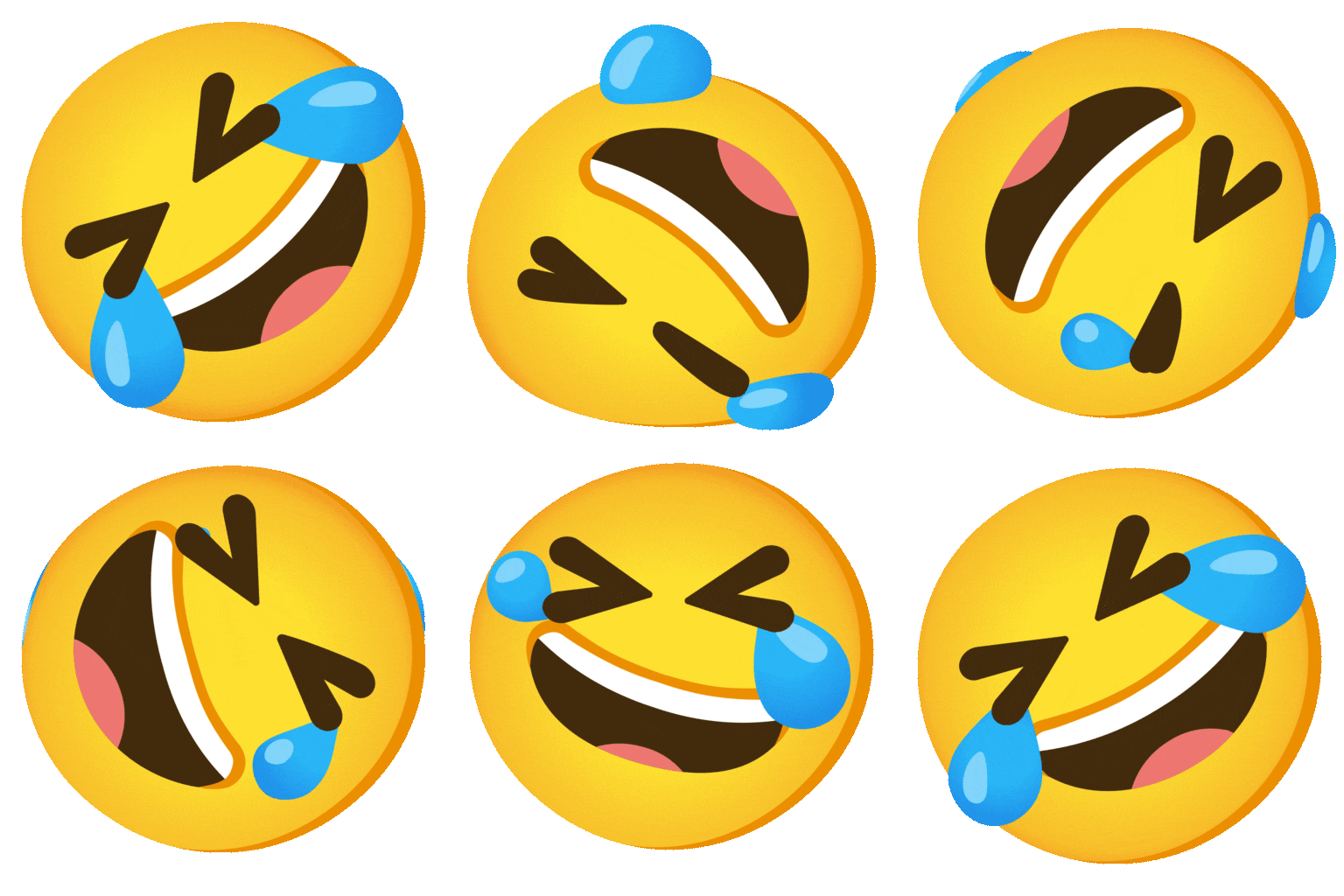
A more intense version of 😂, this emoji implies extreme amusement, which can be used to mock something perceived as utterly absurd. Be mindful of the context, as it can come across as overly dramatic.
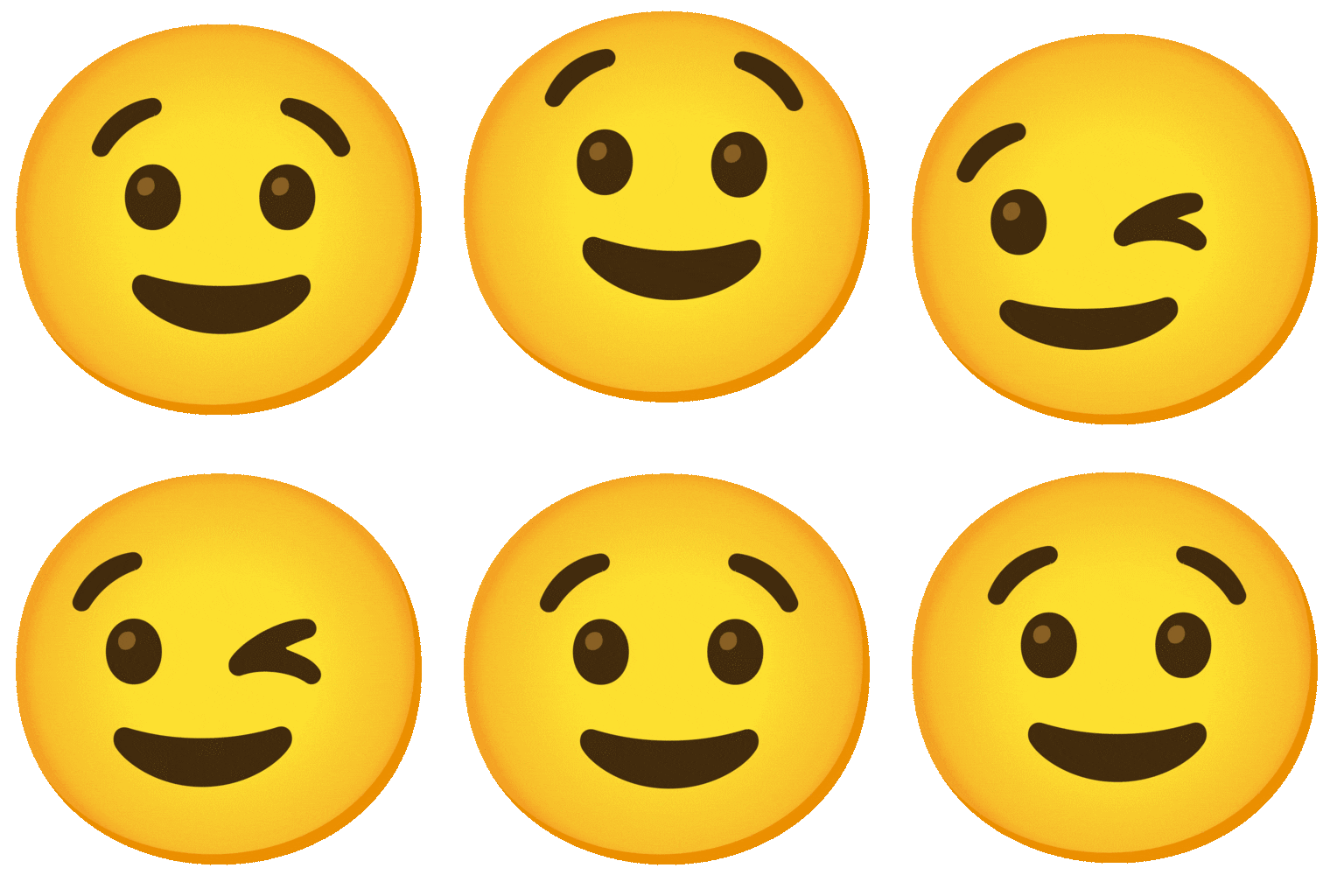
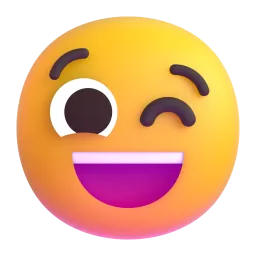
This emoji can soften a sarcastic or teasing comment, implying that the mockery is lighthearted and not meant to be taken too seriously. However, its interpretation can vary, so use it cautiously with those who might not understand your intent.
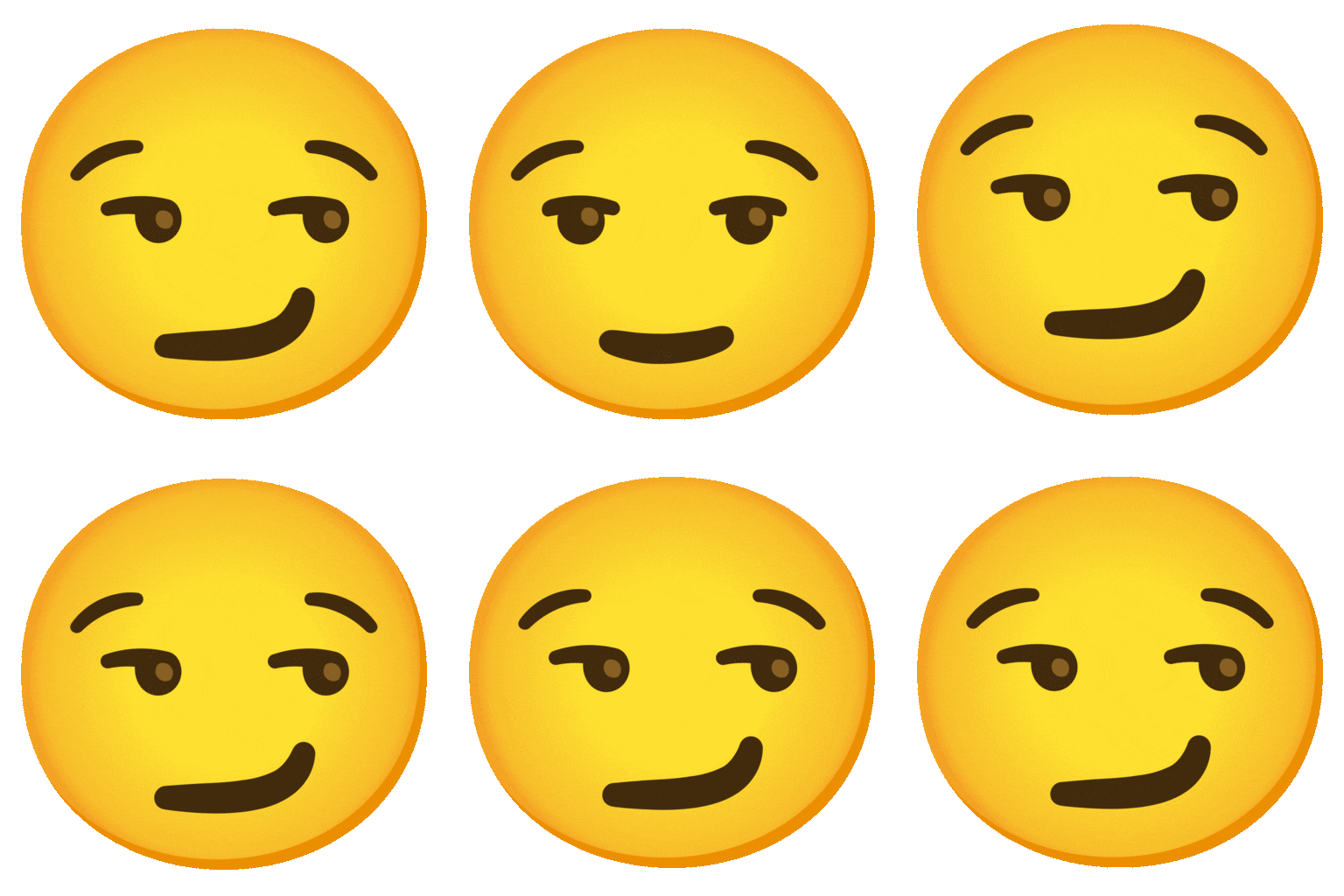
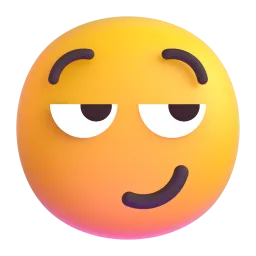
This emoji often conveys smugness or self-satisfaction, and can be used to mock someone in a condescending way. Its meaning can be ambiguous, potentially leading to misunderstandings if not used carefully.
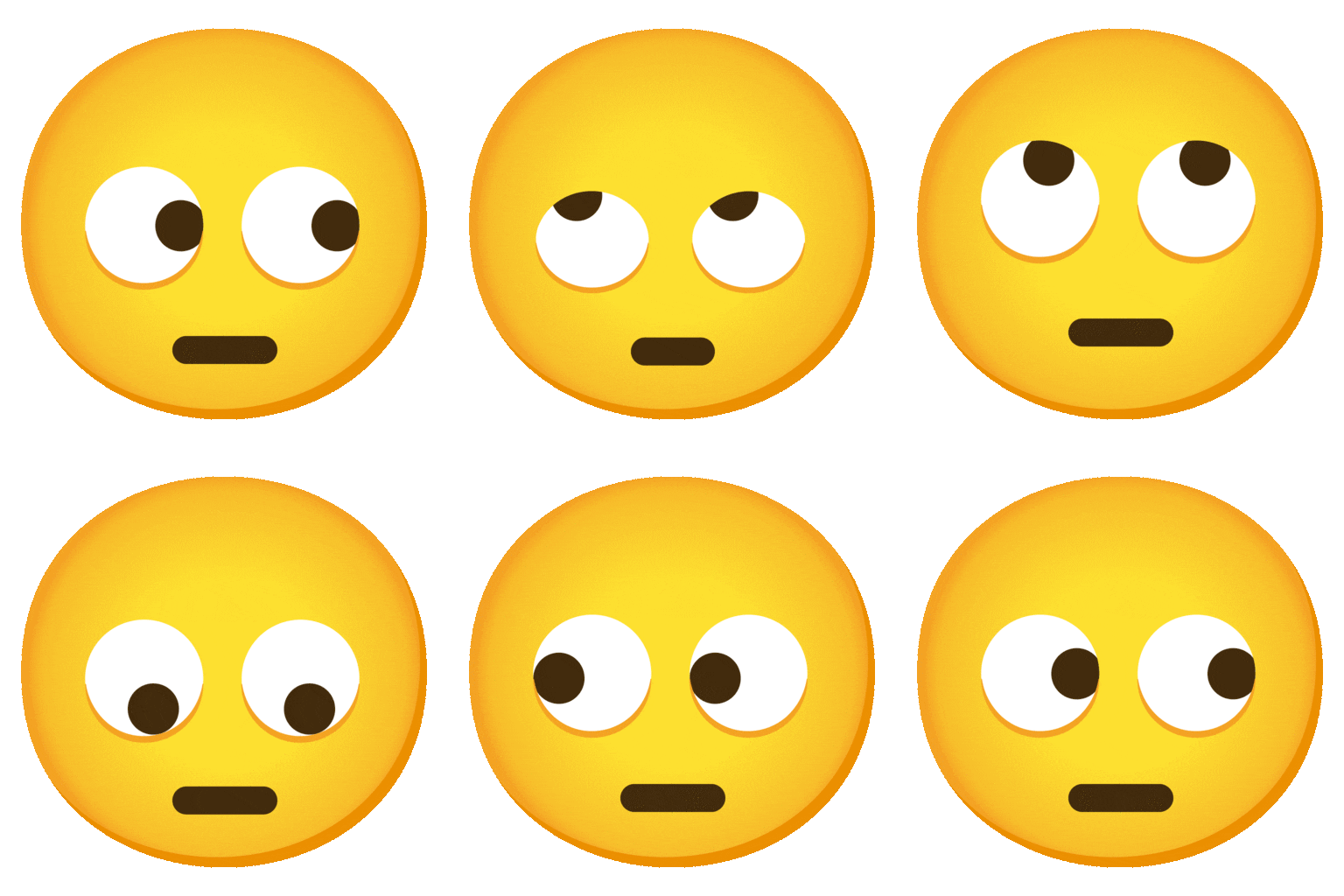
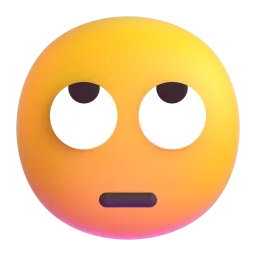
This emoji expresses disapproval, annoyance, or boredom, and can be used to mock someone's actions or statements. It's generally considered rude and should be used sparingly, especially in professional settings.
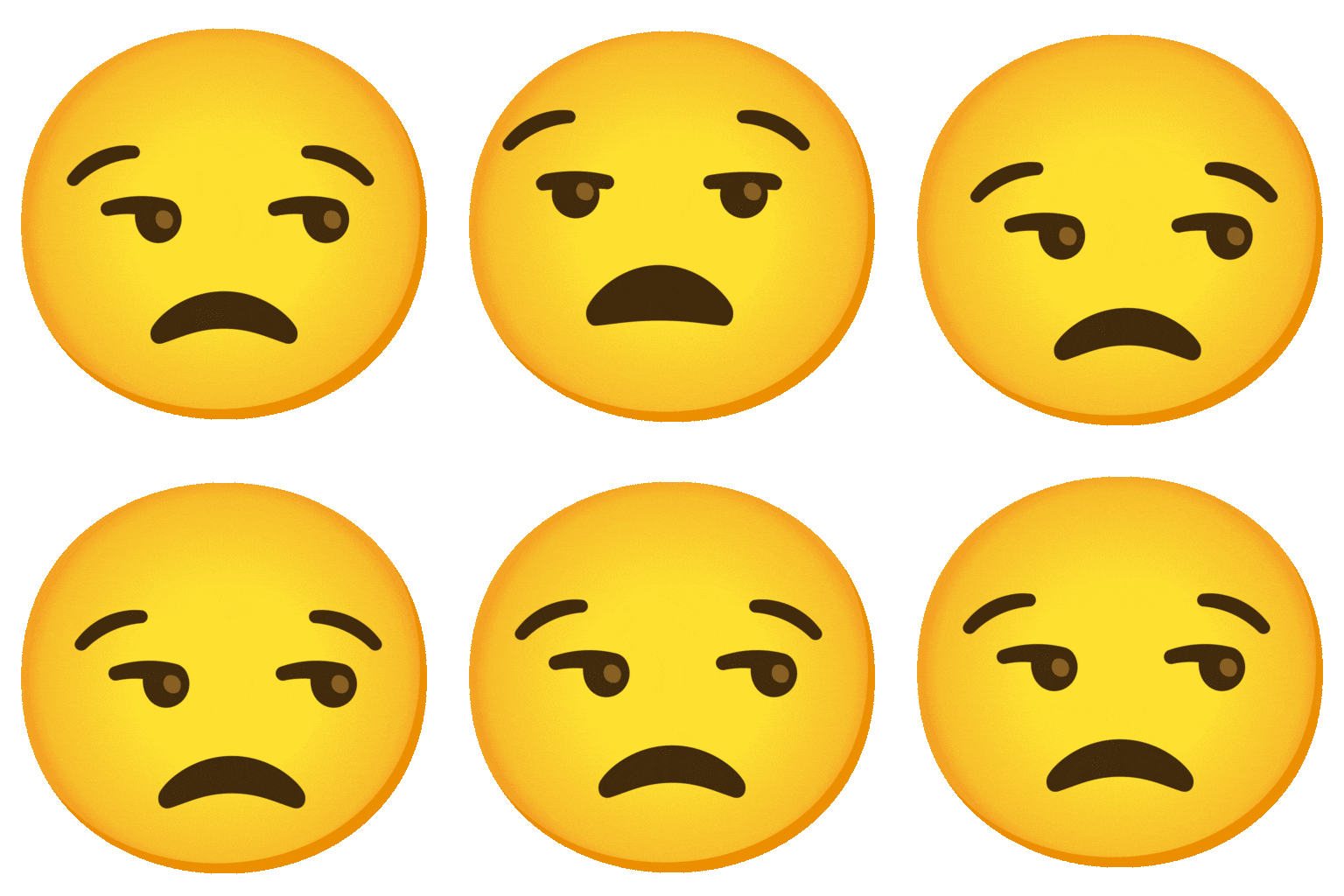
Similar to 🙄, this emoji expresses dissatisfaction or skepticism, and can be used to mock something without being overtly aggressive. It's a more subtle way to convey disapproval.
This emoji is used to call someone a clown, implying they are foolish or ridiculous. It can be quite harsh and should be used with caution, as it directly insults the target.
Noto Animated
Apache 2.0
Noto Animated
Apache 2.0
Noto Animated
Apache 2.0
Noto Animated
Apache 2.0
Noto Animated
Apache 2.0
Noto Animated
Apache 2.0
ℹ️ All images shown are from open-licensed sources (Apache 2.0, MIT, CC-BY 4.0, CC BY-SA 4.0) and are free to use.
Copy and share
Consider your relationship with the recipient before using mocking emojis. What's funny to a close friend might be offensive to a colleague or acquaintance.
Be aware that emojis can appear differently across platforms (Apple, Android, Windows, etc.). A smirk on one platform might look more sarcastic on another.
The surrounding text and situation heavily influence how a mocking emoji is interpreted. Ensure the context clarifies your intent.
Sometimes, a single well-placed emoji is more effective than a string of them. Overuse can dilute the impact and make you seem overly aggressive.
If you're unsure how your message will be received, consider using less ambiguous emojis or rephrasing your statement altogether.
This content was created with AI technology, enriched with Unicode Consortium data and community contributions. AI Disclosure →