Mobile learning, or m-learning, is the use of mobile devices like smartphones and tablets for educational purposes. It offers flexibility and accessibility, allowing learners to access course materials, participate in discussions, and complete assignments from anywhere with an internet connection. This approach to learning is particularly beneficial for those with busy schedules or limited access to traditional classroom settings. Emojis can play a significant role in enhancing communication and engagement within mobile learning environments, adding emotional context and visual cues to text-based interactions.
Using emojis in mobile learning can help create a more personalized and engaging experience for students. They can be used to provide feedback, express encouragement, or simply add a touch of humor to learning materials. However, it's important to use emojis thoughtfully and appropriately, considering the context and audience. Overuse or misuse of emojis can be distracting or even confusing. When used effectively, emojis can bridge communication gaps, foster a sense of community, and make learning more enjoyable. This guide will explore the best emojis to use in mobile learning, along with tips and examples to help you integrate them seamlessly into your educational content and communications.
Different platforms may render emojis slightly differently, so it's wise to test how they appear on various devices to ensure clarity. For example, an emoji on Apple devices might look different on Android or Windows devices. While most emojis are universally understood, some may have different cultural interpretations. Be mindful of your audience and choose emojis that are likely to be understood and appreciated by everyone. The goal is to enhance understanding and engagement, not to create confusion or offense. By following these guidelines, you can effectively leverage emojis to create a more dynamic and inclusive mobile learning environment.
16+Emoji
8Messages
5Tips
⚡
Quick Copy
Copy most popular emojis with one click
📱
Mobile Phone
📚
Books
💻
Laptop
🎓
Graduation Cap
💡
Light Bulb
📝
Memo
✅
Check Mark
🤔
Thinking Face
📣
Megaphone
🧪 Emoji Mashups (Emoji Kitchen)
Fun mashups created by combining Mobile Learning emojis with Emoji Kitchen. Download and use them freely.
Help grow the Mobile Learning collection! Suggest emojis or symbols you think are missing and contribute to the community.
💡 Missing an emoji/symbol?
📖
Meaning & Usage
📱
Mobile Phone
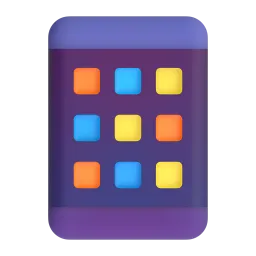
Represents the primary device used in mobile learning. It signifies accessibility, convenience, and the ability to learn on the go. On different platforms, the phone design varies, but the core meaning remains consistent.
📚
Books
Symbolizes learning materials, resources, and knowledge. It can represent textbooks, e-books, or any form of educational content. The visual style of the books differs across platforms, but the association with learning is universal.
💻
Laptop
Represents a more traditional form of digital learning, often used for creating and accessing more complex learning materials. It's a versatile emoji that can also symbolize online courses and research. The laptop design varies slightly across platforms.
🎓
Graduation Cap
Symbolizes academic achievement, completion of a course, or graduation. It represents the ultimate goal of learning and the rewards of education. The cap's color and style may vary by platform.
💡
Light Bulb
Represents a new idea, inspiration, or understanding. It can be used to signify a moment of insight or a clever solution to a problem. The bulb's design is consistent across most platforms.
✅
Check Mark
Indicates completion of a task, confirmation, or agreement. It can be used to mark assignments as completed or to confirm understanding of a concept. The check mark's color and style are generally consistent.
📱
Platform Appearances
📱 Mobile Phone
Google NotoApache 2.0
Twitter/XCC-BY 4.0
Fluent 3DMIT
OpenMojiCC BY-SA 4.0
📚 Books
Google NotoApache 2.0
Twitter/XCC-BY 4.0
Noto AnimatedApache 2.0
Fluent 3DMIT
OpenMojiCC BY-SA 4.0
💻 Laptop
Google NotoApache 2.0
Twitter/XCC-BY 4.0
Noto AnimatedApache 2.0
Fluent 3DMIT
OpenMojiCC BY-SA 4.0
🎓 Graduation Cap
Google NotoApache 2.0
Twitter/XCC-BY 4.0
Noto AnimatedApache 2.0
Fluent 3DMIT
OpenMojiCC BY-SA 4.0
💡 Light Bulb
Google NotoApache 2.0
Twitter/XCC-BY 4.0
Noto AnimatedApache 2.0
Fluent 3DMIT
OpenMojiCC BY-SA 4.0
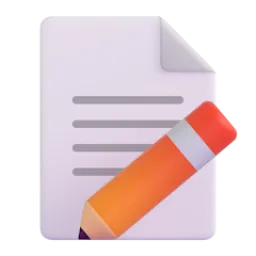
📝 Memo
Google NotoApache 2.0
Twitter/XCC-BY 4.0
Fluent 3DMIT
OpenMojiCC BY-SA 4.0
ℹ️ All images shown are from open-licensed sources (Apache 2.0, MIT, CC-BY 4.0, CC BY-SA 4.0) and are free to use.
💬
Ready Messages
Copy and share
Assignment completed! ✅ Great job everyone! 🎓
Don't forget to read chapter 3 before tomorrow's class. 📚📱
Any questions about the material? 🤔 Feel free to ask! 📣
New learning module is now available on your mobile device! 📱💻
Time to put your thinking caps on! 💡 Let's brainstorm some ideas. 📝
Congratulations on finishing the course! 🎉 We're proud of you! 🎓
Remember to submit your final project by Friday. 📝✅
Excited to start this learning journey with all of you! 🚀📚
🎨
Related Emojis
📱
Technology
📚
Education
🎓
Achievement
💡
Ideas
📝
Writing
✅
Confirmation
📣
Communication
💡
Usage Tips
🎯
Use Sparingly
Don't overuse emojis. A few well-placed emojis can enhance communication, but too many can be distracting and unprofessional.
🎯
Know Your Audience
Consider the age and cultural background of your students when choosing emojis. Some emojis may have different meanings in different cultures.
🎯
Test Across Platforms
Emojis can look different on different devices and operating systems. Test your messages on various platforms to ensure they display correctly.
🎯
Provide Context
Use emojis to complement your text, not replace it. Always provide enough context so that the meaning of the emoji is clear.
🎯
Maintain Professionalism
Avoid using overly casual or slang-based emojis in formal educational settings. Choose emojis that are appropriate for the context.
🔗
Similar Combinations
Discover more emoji combinations related to Mobile Learning