Lungs
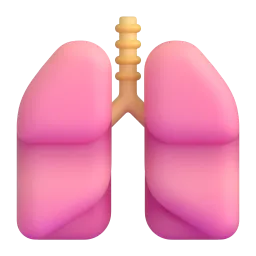
Represents the lungs, the primary organs of the respiratory system. Use it to directly reference lung health, diseases, or treatments. It's a relatively new emoji, so support may vary across platforms.
Communicating about lung health can be sensitive, but emojis can help convey messages with empathy and clarity. This guide explores the best emojis to use when discussing respiratory health, prevention, and support. From symbols representing air and breathing to those indicating illness and recovery, we'll cover how to use these visual cues effectively. Whether you're sharing information about asthma, allergies, or the importance of quitting smoking, emojis can make your message more engaging and accessible. Remember to use them thoughtfully and respectfully, considering the context and audience. This guide provides examples of how to incorporate emojis into your conversations about lung health, ensuring your message is both informative and supportive. We'll also explore emojis that represent healthy habits and environmental factors that impact lung function, such as air quality and exercise. By understanding the nuances of these emojis, you can promote awareness and encourage positive lifestyle choices.
Copy most popular emojis with one click
Fun mashups created by combining Lung Health emojis with Emoji Kitchen. Download and use them freely.
Help grow the Lung Health collection! Suggest emojis or symbols you think are missing and contribute to the community.
💡 Missing an emoji/symbol?
Represents the lungs, the primary organs of the respiratory system. Use it to directly reference lung health, diseases, or treatments. It's a relatively new emoji, so support may vary across platforms.
Symbolizes air, breath, or ventilation. Can be used to represent fresh air or the act of breathing. On some platforms, it appears as a gust of wind, while others show a face blowing wind.
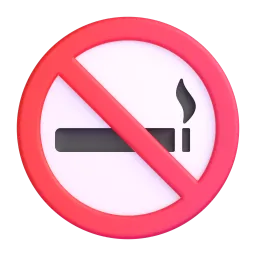
Indicates a smoke-free environment and the importance of quitting smoking for lung health. Universally recognized and understood. It's often used in public health campaigns.
Represents symptoms like sneezing, which can be related to allergies or respiratory infections. The appearance varies slightly across platforms, but the meaning is consistent.
Represents protection against airborne illnesses and pollutants. Became widely used during the COVID-19 pandemic. It symbolizes safety and precaution.
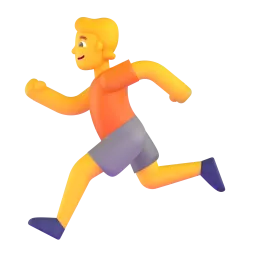
Symbolizes exercise and physical activity, which are beneficial for lung health. Can represent running, jogging, or any form of cardio. The gender and skin tone can be customized on most platforms.
Represents clean air, nature, and a healthy environment. Can be used to promote the importance of green spaces for respiratory health. It's a universally recognized symbol of nature.
Noto Animated
Apache 2.0
Noto Animated
Apache 2.0
Noto Animated
Apache 2.0
ℹ️ All images shown are from open-licensed sources (Apache 2.0, MIT, CC-BY 4.0, CC BY-SA 4.0) and are free to use.
Copy and share
Be aware that emoji appearances can vary across platforms (Apple, Google, Samsung, etc.). Test your messages to ensure they are clear on different devices.
Use emojis thoughtfully and consider the context of your message. Avoid using them in overly sensitive or serious situations where they might be perceived as insensitive.
For wider accessibility, consider adding text descriptions alongside emojis, especially when discussing medical conditions. This helps people using screen readers understand the message.
Combine multiple emojis to create more complex and nuanced messages. For example, 🏃🌳 can represent exercising in nature.
Avoid overusing emojis, as it can make your message appear cluttered and unprofessional. Use them strategically to enhance your message, not distract from it.
This content was created with AI technology, enriched with Unicode Consortium data and community contributions. AI Disclosure →