Wastebasket Emoji
Represents a trash can or wastebasket. It is used to signify disposal, garbage, or the act of throwing something away. On some platforms, it appears as a metal or plastic bin, while on others, it's a more stylized icon.
Litter, in its various forms, represents a significant environmental concern. From discarded plastic bottles and wrappers to improperly disposed of waste, litter pollutes our landscapes, waterways, and oceans. Using emojis to represent litter can help raise awareness about the issue and encourage responsible waste disposal practices. This guide explores the emojis associated with litter, their meanings, and how to use them effectively in your digital communications to promote environmental consciousness. We'll delve into the nuances of each emoji, considering how they appear across different platforms and how they can be combined to create impactful messages about reducing waste and protecting our planet. By understanding the visual language of litter-related emojis, we can contribute to a more sustainable future through online advocacy and education.
Copy most popular emojis with one click
Fun mashups created by combining Litter emojis with Emoji Kitchen. Download and use them freely.
Help grow the Litter collection! Suggest emojis or symbols you think are missing and contribute to the community.
💡 Missing an emoji/symbol?
Represents a trash can or wastebasket. It is used to signify disposal, garbage, or the act of throwing something away. On some platforms, it appears as a metal or plastic bin, while on others, it's a more stylized icon.
Represents the universal recycling symbol. It signifies the process of converting waste materials into reusable objects. This emoji is widely used to promote recycling initiatives and environmentally friendly practices. The design is consistent across platforms.
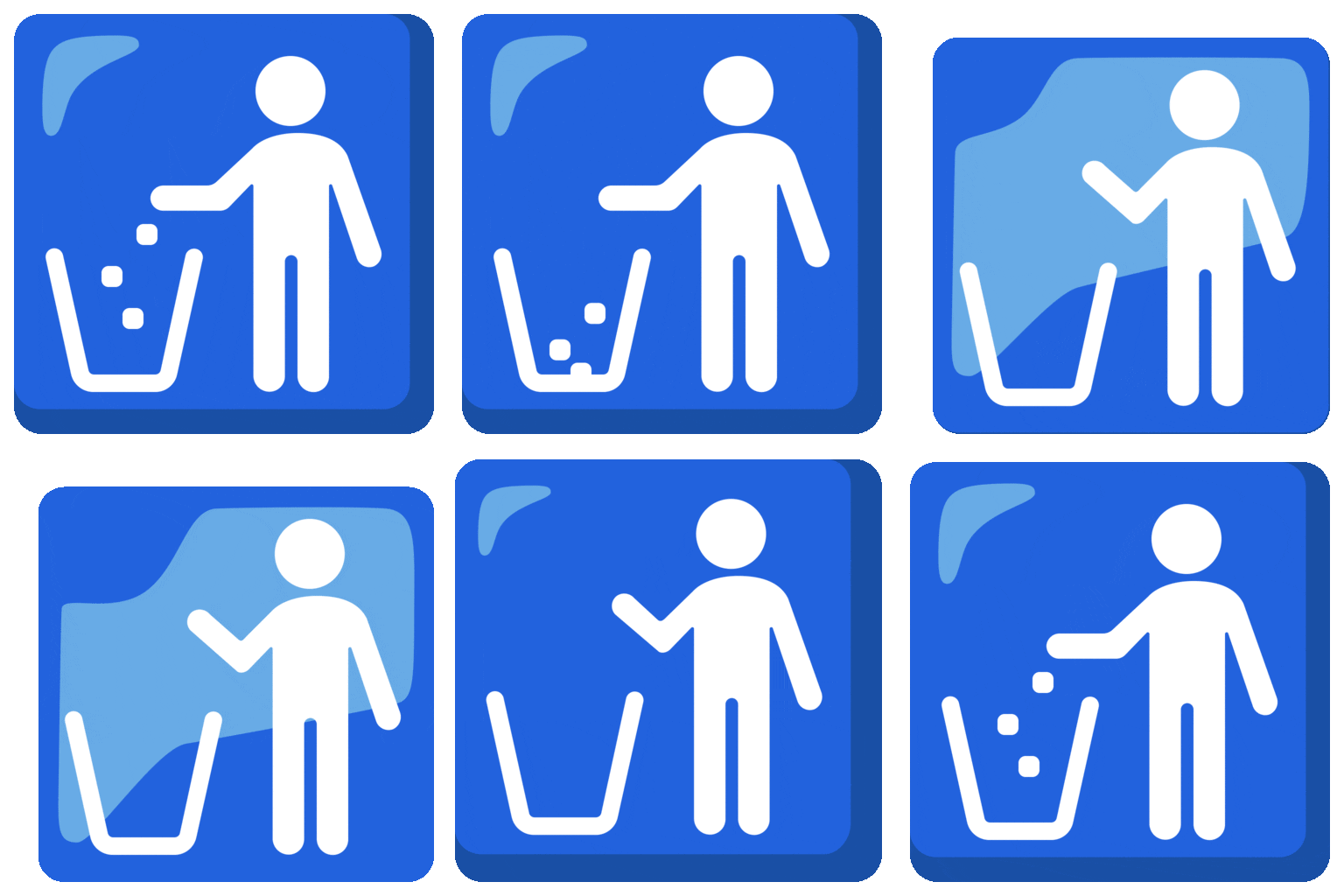
Represents a person throwing litter into a bin. It is used to encourage proper waste disposal and discourage littering. The design varies slightly across platforms, but the core message remains the same.
Represents a prohibition against littering. It is used to indicate that littering is not allowed in a specific area. This emoji is often used in conjunction with other environmental emojis to emphasize the importance of keeping places clean.
Represents a young plant or seedling. While not directly related to litter, it symbolizes growth, nature, and the importance of protecting the environment from pollution. It can be used to contrast the negative impact of litter with the beauty of nature.
Represents water, often used to depict oceans, rivers, or lakes. In the context of litter, it can symbolize the pollution of waterways caused by discarded waste. It highlights the impact of litter on aquatic ecosystems.
Noto Animated
Apache 2.0
Noto Animated
Apache 2.0
Noto Animated
Apache 2.0
Noto Animated
Apache 2.0
ℹ️ All images shown are from open-licensed sources (Apache 2.0, MIT, CC-BY 4.0, CC BY-SA 4.0) and are free to use.
Copy and share
Use a combination of emojis to create a stronger message about litter. For example, 🚫🗑️🌊 conveys 'No littering in the water.'
Add emojis that provide context to your message. If you're talking about a beach cleanup, include 🏖️ and 🌊 along with litter-related emojis.
Be aware that emojis can appear differently across platforms (Apple, Google, Samsung, etc.). Test your messages to ensure they convey the intended meaning on different devices.
Use emojis to highlight positive actions, such as recycling and cleaning up litter. This can be more effective than simply focusing on the negative aspects of littering.
Combine litter-related emojis with relevant hashtags on social media to increase visibility and engagement. Examples: #LitterFree #CleanUp #Recycle
This content was created with AI technology, enriched with Unicode Consortium data and community contributions. AI Disclosure →