Language is a complex and multifaceted concept, encompassing not only spoken and written words, but also non-verbal communication, dialects, and the very structure of thought. Emojis, while not a replacement for language, can add nuance, emotion, and cultural context to our digital conversations. They can bridge language barriers, express feelings that words sometimes fail to capture, and even be used creatively to tell stories or create visual puns. This guide explores the diverse range of emojis that relate to language, from those representing specific languages and scripts to those that convey communication, learning, and expression. Understanding the subtle differences in how these emojis are rendered across platforms (Apple, Google, Samsung, Microsoft, WhatsApp) is crucial for effective communication. For example, a seemingly innocuous emoji on one platform might be interpreted differently on another, leading to miscommunication. Therefore, it's important to be mindful of your audience and the platform they are using when incorporating language-related emojis into your messages. This guide will help you navigate the world of language emojis and use them effectively to enhance your digital communication.
14+Emoji
8Messages
5Tips
⚡
Quick Copy
Copy most popular emojis with one click
🗣️
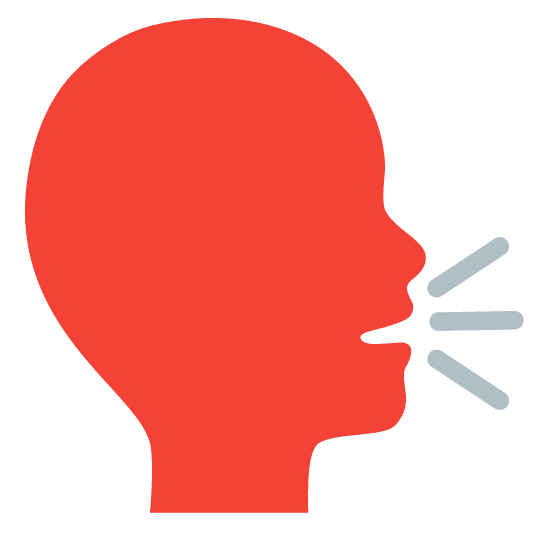
Speaking Head
💬
Speech Balloon
✍️
Writing Hand
📖
Open Book
🌐
Globe with Meridians
🔤
Input Latin Letters
🔡
Input Symbol for Latin Small Letters
🧪 Emoji Mashups (Emoji Kitchen)
Fun mashups created by combining Language emojis with Emoji Kitchen. Download and use them freely.
Help grow the Language collection! Suggest emojis or symbols you think are missing and contribute to the community.
💡 Missing an emoji/symbol?
📖
Meaning & Usage
🗣️
Speaking Head
Represents speaking, talking, or making an announcement. Can be used to indicate someone is giving a speech or expressing their opinion. On some platforms, it appears as a silhouette of a head with sound waves emanating from it.
💬
Speech Balloon
Represents conversation, dialogue, or a message. Often used to indicate someone is speaking or thinking. Its appearance is consistent across most platforms, resembling a comic book speech bubble.
✍️
Writing Hand
Represents writing, signing, or creating something with a pen or pencil. The hand's orientation and the writing utensil vary across platforms. It can be used to indicate authorship or the act of writing itself.
📖
Open Book
Represents reading, learning, or knowledge. Often used in the context of education, literature, or storytelling. The book's design and cover art vary across platforms, but the meaning remains consistent.
🌐
Globe with Meridians
Represents the internet, global communication, or international connections. Can be used to indicate online presence or a worldwide audience. Its appearance is generally consistent across platforms, showing a globe with lines of longitude and latitude.
🔤
Input Latin Letters
Represents the input of text, specifically Latin letters (A, B, C, etc.). It's often used in the context of typing, writing, or entering information. The design varies across platforms, but it always includes Latin alphabet characters.
📱
Platform Appearances
🗣️ Speaking Head
Google NotoApache 2.0
Twitter/XCC-BY 4.0
Noto AnimatedApache 2.0
OpenMojiCC BY-SA 4.0
💬 Speech Balloon
Google NotoApache 2.0
Twitter/XCC-BY 4.0
Noto AnimatedApache 2.0
Fluent 3DMIT
OpenMojiCC BY-SA 4.0
✍️ Writing Hand
Google NotoApache 2.0
Twitter/XCC-BY 4.0
Noto AnimatedApache 2.0
OpenMojiCC BY-SA 4.0
📖 Open Book
Google NotoApache 2.0
Twitter/XCC-BY 4.0
Fluent 3DMIT
OpenMojiCC BY-SA 4.0
🌐 Globe with Meridians
Google NotoApache 2.0
Twitter/XCC-BY 4.0
Fluent 3DMIT
OpenMojiCC BY-SA 4.0
🔤 Input Latin Letters
Google NotoApache 2.0
Twitter/XCC-BY 4.0
Fluent 3DMIT
OpenMojiCC BY-SA 4.0
ℹ️ All images shown are from open-licensed sources (Apache 2.0, MIT, CC-BY 4.0, CC BY-SA 4.0) and are free to use.
💬
Ready Messages
Copy and share
Learning a new language is so rewarding! 📖✍️
Just finished writing my essay! ✍️ Feeling relieved! 😊
Let's chat! 💬 What's on your mind? 🤔
Giving a presentation tomorrow! 🗣️ Wish me luck! 🙏
Connecting with people all over the world! 🌐🌍
Need to type this document quickly! 🔤⌨️
The translator is amazing 🗣️ translator
I am learning Spanish 🇪🇸📖
🎨
Related Emojis
🗣️
Speaking
💬
Conversation
✍️
Writing
📖
Reading
🌐
Global
🔤
Input
🇪🇸
Country
💡
Usage Tips
🎯
Context is Key
Always consider the context of your message when using language-related emojis. Ensure that the emoji accurately reflects the intended meaning and tone.
🎯
Platform Variations
Be aware of how emojis are rendered on different platforms. Test your messages on various devices to ensure that the emojis appear as intended.
🎯
Cultural Sensitivity
Some emojis may have different meanings in different cultures. Be mindful of your audience and avoid using emojis that could be misinterpreted or offensive.
🎯
Combine Emojis
Use combinations of emojis to create more complex and nuanced expressions. For example, combine the 'speaking head' emoji with other emojis to indicate the topic of conversation.
🎯
Use Sparingly
While emojis can enhance communication, avoid overusing them. Too many emojis can make your message appear cluttered and unprofessional.
🔗
Similar Combinations
Discover more emoji combinations related to Language