💼
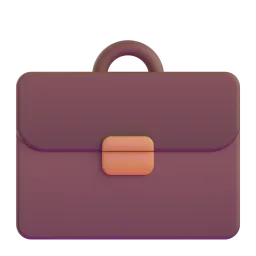
Briefcase
Represents work, career, and professionalism. Use it when discussing job-related topics or expressing your work ethic. On some platforms, it may appear more formal than others.
Navigating the job interview process can be stressful, but using emojis can add a touch of personality and positivity to your communications. This guide provides a comprehensive overview of the best emojis to use before, during, and after a job interview. We'll explore how to use emojis to express enthusiasm, professionalism, and gratitude, while also avoiding common pitfalls. From preparing your resume to sending thank-you notes, emojis can help you stand out and make a lasting impression. Understanding the nuances of emoji usage in a professional context is crucial, as it can significantly impact how you are perceived by potential employers. Remember, context is key, and using emojis appropriately can enhance your message and showcase your communication skills. This guide will help you master the art of using emojis in your job search journey, ensuring you convey the right message at the right time. Whether you're a seasoned professional or just starting your career, this emoji guide will provide valuable insights and practical tips to help you ace your next job interview.
Copy most popular emojis with one click
Fun mashups created by combining Job Interview emojis with Emoji Kitchen. Download and use them freely.



Help grow the Job Interview collection! Suggest emojis or symbols you think are missing and contribute to the community.
💡 Missing an emoji/symbol?
Represents work, career, and professionalism. Use it when discussing job-related topics or expressing your work ethic. On some platforms, it may appear more formal than others.
Symbolizes agreement, partnership, and introductions. Use it to confirm an interview or express excitement about a potential collaboration. The appearance can vary slightly across platforms, but the meaning remains consistent.
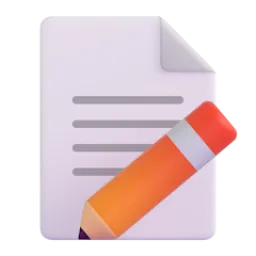
Represents notes, documents, and important information. Use it when referring to your resume, cover letter, or interview details. It's generally depicted as a notepad with writing on it.
Indicates completion, agreement, or confirmation. Use it to acknowledge tasks completed or to confirm details. Its visual representation is fairly consistent across platforms.
Expresses approval, agreement, or encouragement. Use it to show support or positive feedback. Be mindful of its potential for misinterpretation in some cultures.
Represents gratitude, prayer, or respect. Use it to express thanks after an interview or to show appreciation for the opportunity. Its meaning can vary slightly depending on the context.




 Noto Animated
Apache 2.0
Noto Animated
Apache 2.0





 Noto Animated
Apache 2.0
Noto Animated
Apache 2.0


 Noto Animated
Apache 2.0
Noto Animated
Apache 2.0



 Noto Animated
Apache 2.0
Noto Animated
Apache 2.0

ℹ️ All images shown are from open-licensed sources (Apache 2.0, MIT, CC-BY 4.0, CC BY-SA 4.0) and are free to use.
Copy and share
Consider the company culture and the person you're communicating with before using emojis. Some companies are more formal than others.
Don't overuse emojis in professional communications. A few well-placed emojis can enhance your message, but too many can appear unprofessional.
Select emojis that are relevant to the context and convey the right tone. Avoid emojis that could be misinterpreted or offensive.
Be aware of how emojis appear on different platforms (Apple, Google, Samsung, etc.). Some emojis may look different or have slightly different meanings.
Always proofread your messages before sending them, especially when using emojis. Ensure that the emojis are used correctly and don't change the intended meaning of your message.
This content was created with AI technology, enriched with Unicode Consortium data and community contributions. AI Disclosure →