Islamic holidays are significant religious observances celebrated by Muslims worldwide. These holidays commemorate important events in Islamic history, reinforce spiritual values, and foster a sense of community. Using emojis to represent these holidays can add a personal and expressive touch to digital communications, especially when sharing greetings, wishes, or information about these special occasions. However, it's crucial to use emojis respectfully and appropriately, considering the religious and cultural significance of these holidays. Misusing or trivializing these symbols can be offensive. This guide provides a selection of emojis that can be used to represent Islamic holidays, along with tips on how to use them respectfully and effectively.
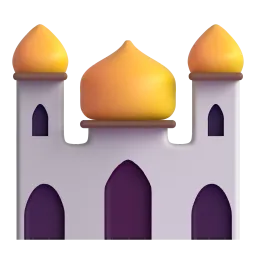
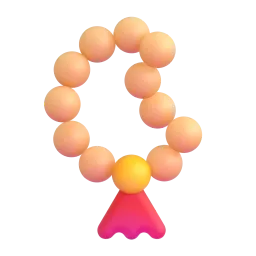
Emojis can help bridge cultural gaps and promote understanding. When used thoughtfully, they can enhance communication and create a more inclusive online environment. For example, using the mosque emoji 🕌 during Ramadan can convey a sense of solidarity and shared experience. Similarly, sharing the prayer beads emoji 📿 can represent devotion and reflection. It's important to be mindful of the context and audience when using these emojis, ensuring that they are used in a way that is respectful and considerate of the religious beliefs and practices of others. Remember that emojis are a visual language, and their meaning can vary depending on the cultural background of the user. Therefore, it's always a good idea to be aware of the potential interpretations of emojis before using them in your communications.
Ultimately, the goal is to use emojis to enhance understanding and connection, rather than to cause offense or misrepresentation. By being mindful of the cultural and religious significance of Islamic holidays, we can use emojis to celebrate these special occasions in a respectful and meaningful way. This guide aims to provide a starting point for using emojis to represent Islamic holidays, encouraging users to explore and discover new ways to express themselves while remaining sensitive to the diverse perspectives and beliefs of others.
16+Emoji
8Messages
5Tips
⚡
Quick Copy
Copy most popular emojis with one click
🕌
Mosque
🌙
Crescent Moon
📿
Prayer Beads
🕋
Kaaba
🤲
Palms Up Together
🎁
Wrapped Gift
👨👩👧👦
Family
🌟
Glowing Star
✨
Sparkles
🧪 Emoji Mashups (Emoji Kitchen)
Fun mashups created by combining Islamic Holidays emojis with Emoji Kitchen. Download and use them freely.
Help grow the Islamic Holidays collection! Suggest emojis or symbols you think are missing and contribute to the community.
💡 Missing an emoji/symbol?
📖
Meaning & Usage
🕌
Mosque Emoji
Represents a mosque, a place of worship for Muslims. Commonly used during Islamic holidays like Ramadan and Eid to symbolize prayer, community, and faith. On some platforms, the design varies, but the meaning remains consistent.
🌙
Crescent Moon Emoji
Symbolizes Islam and is often used to mark the beginning of Islamic months, especially Ramadan. It represents the lunar calendar followed in Islam. The visual representation is generally consistent across platforms.
📿
Prayer Beads Emoji
Represents tasbih or prayer beads, used by Muslims to count prayers and recitations. It symbolizes devotion, spirituality, and mindfulness. The number and arrangement of beads can vary slightly across platforms.
🕋
Kaaba Emoji
Represents the Kaaba, the holiest site in Islam, located in Mecca. It is a central symbol of pilgrimage (Hajj) and represents unity and faith. The depiction is usually a black cube-shaped structure.
🤲
Palms Up Together Emoji
Represents supplication or prayer. It symbolizes asking for blessings and expressing gratitude. This emoji is frequently used during Islamic holidays to convey sincere wishes and prayers.
🎁
Wrapped Gift Emoji
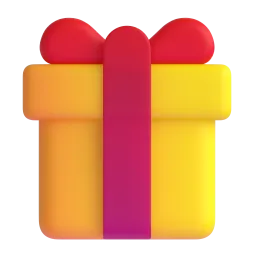
Represents gift-giving, a common practice during Eid al-Fitr and Eid al-Adha. It symbolizes generosity, sharing, and celebrating with loved ones. The color and style of the gift wrapping vary across platforms.
📱
Platform Appearances
🕌 Mosque
Google NotoApache 2.0
Twitter/XCC-BY 4.0
Fluent 3DMIT
OpenMojiCC BY-SA 4.0
🌙 Crescent Moon
Google NotoApache 2.0
Twitter/XCC-BY 4.0
Fluent 3DMIT
OpenMojiCC BY-SA 4.0
📿 Prayer Beads
Google NotoApache 2.0
Twitter/XCC-BY 4.0
Fluent 3DMIT
OpenMojiCC BY-SA 4.0
🕋 Kaaba
Google NotoApache 2.0
Twitter/XCC-BY 4.0
Fluent 3DMIT
OpenMojiCC BY-SA 4.0
🤲 Palms Up Together
Google NotoApache 2.0
Twitter/XCC-BY 4.0
Noto AnimatedApache 2.0
Fluent 3DMIT
OpenMojiCC BY-SA 4.0
🎁 Wrapped Gift
Google NotoApache 2.0
Noto AnimatedApache 2.0
Fluent 3DMIT
OpenMojiCC BY-SA 4.0
ℹ️ All images shown are from open-licensed sources (Apache 2.0, MIT, CC-BY 4.0, CC BY-SA 4.0) and are free to use.
💬
Ready Messages
Copy and share
Ramadan Mubarak! May Allah bless you and your family. 🌙🕌🤲
Eid Mubarak! Wishing you a joyous and blessed Eid. 🎁👨👩👧👦✨
Sending prayers and blessings during this holy month. 📿🌟
May Allah accept our prayers and grant us forgiveness. 🕋🤲
Celebrating the spirit of Eid with family and friends. 👨👩👧👦🎉
Wishing you peace, happiness, and prosperity this Eid. 🌙🎁✨
Reflecting on faith and gratitude during this special time. 📿🌟🤲
Eid al-Adha Mubarak! May your sacrifices be accepted. 🕋🤲🎁
🎨
Related Emojis
☪️
Star and Crescent
🙏
Folded Hands
👪
Family
🌟
Star
✨
Sparkles
🌙
Crescent Moon
🕌
Mosque
💡
Usage Tips
🎯
Be Respectful
Always use Islamic holiday emojis with respect and avoid using them in inappropriate contexts. Consider the religious significance.
🎯
Context Matters
Ensure the context of your message is appropriate for using religious emojis. Avoid using them in casual or trivial conversations.
🎯
Platform Variations
Be aware that emoji designs can vary across platforms (Apple, Google, Samsung, etc.). Check how the emoji appears on different devices to avoid misinterpretations.
🎯
Combine Wisely
Combine Islamic holiday emojis with other relevant emojis to create a more meaningful message. For example, use the mosque emoji with the prayer beads emoji.
🎯
Cultural Sensitivity
Be mindful of cultural differences and sensitivities when using these emojis. What may be acceptable in one culture may not be in another.
🔗
Similar Combinations
Discover more emoji combinations related to Islamic Holidays