Crescent Moon and Star
The most recognizable symbol of Islam, representing the faith and often used in general contexts related to Islamic culture and holidays. On some platforms, it may appear as a simple crescent moon 🌙.
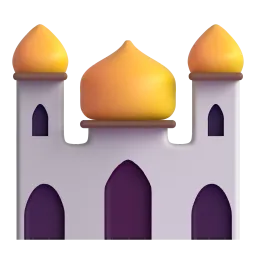
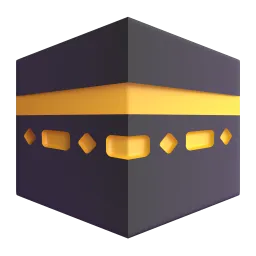
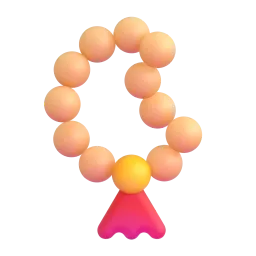
Emojis related to Islam encompass a range of symbols representing faith, culture, and traditions. These emojis can be used to express religious sentiments, celebrate Islamic holidays, or simply acknowledge Islamic culture in digital communication. However, it's crucial to use these emojis respectfully and avoid any misrepresentation or trivialization of religious practices. The crescent moon and star ☪️ is a widely recognized symbol of Islam, often used to represent the faith in general. Mosques 🕌 are places of worship and can symbolize religious gatherings and community. Prayer beads 📿 are used for meditation and remembrance of God. The Kaaba 🕋, located in Mecca, is the holiest site in Islam and represents the direction of prayer. Dates dates 🌴 and other traditional foods are often associated with Islamic celebrations like Ramadan and Eid. When using these emojis, consider the context and audience to ensure respectful and appropriate communication. Remember that religious symbols hold deep meaning for many people, and misuse can be offensive. Always strive for sensitivity and understanding when incorporating Islamic emojis into your digital interactions.
Copy most popular emojis with one click
Fun mashups created by combining Islamic emojis with Emoji Kitchen. Download and use them freely.
Help grow the Islamic collection! Suggest emojis or symbols you think are missing and contribute to the community.
💡 Missing an emoji/symbol?
The most recognizable symbol of Islam, representing the faith and often used in general contexts related to Islamic culture and holidays. On some platforms, it may appear as a simple crescent moon 🌙.
Represents a place of worship for Muslims. It can be used to signify religious gatherings, community, or simply to acknowledge the importance of mosques in Islamic culture. The design varies across platforms, reflecting different architectural styles.
The holiest site in Islam, located in Mecca. It symbolizes the direction of prayer for Muslims worldwide and is a central point of pilgrimage. Its representation is generally consistent across platforms.
Used for meditation and remembrance of God in Islam. It can represent spirituality, devotion, and mindfulness. The number of beads and their appearance can vary slightly across platforms.
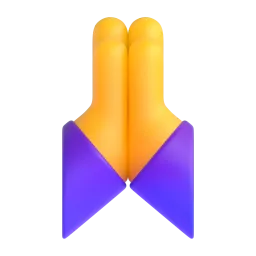
While not exclusively Islamic, the folded hands emoji is often used to express prayer, gratitude, or respect, all of which are important aspects of Islamic practice. Its meaning can vary depending on the context.
Represents a person wearing a turban, which is a traditional head covering worn by some Muslim men. It can be used to represent Islamic culture or identity, but should be used respectfully and without stereotypes.
Noto Animated
Apache 2.0
ℹ️ All images shown are from open-licensed sources (Apache 2.0, MIT, CC-BY 4.0, CC BY-SA 4.0) and are free to use.
Copy and share
Always consider the context and audience when using Islamic emojis. Ensure your message is respectful and appropriate.
Be mindful of stereotypes and avoid using emojis in a way that could be offensive or misrepresent Islamic culture.
Be aware that the appearance of emojis can vary across different platforms (Apple, Google, Samsung, etc.). Test your messages to ensure they are displayed as intended.
Use emojis in conjunction with text to provide clarity and avoid misinterpretations. Emojis should enhance, not replace, your message.
Avoid overusing emojis, as it can detract from the message and appear insincere. Choose emojis that are relevant and meaningful.
This content was created with AI technology, enriched with Unicode Consortium data and community contributions. AI Disclosure →