In-app purchases (IAP) have become a ubiquitous part of the mobile app experience, allowing users to unlock premium features, content, or virtual goods within an application. This guide explores the emojis that best represent the concept of in-app purchases, from the initial download to the satisfaction of acquiring new digital assets. Understanding how to use these emojis can enhance communication about app features, promotions, and user experiences. Whether you're a developer promoting your app or a user sharing your latest in-game achievement, these emojis can add context and personality to your messages.
This collection of emojis aims to capture the various facets of in-app purchases, including the financial aspect, the excitement of unlocking new content, and the overall user experience. We'll delve into the meanings of each emoji, providing examples of how they can be used in different contexts. From the simple shopping cart to the celebratory confetti, each emoji plays a role in conveying the story of in-app purchases. Consider the cultural context of each emoji, as interpretations can vary across platforms and regions. By mastering the art of emoji communication, you can effectively engage with your audience and enhance their understanding of your app's offerings. This guide provides tips and tricks for using emojis effectively in your marketing materials, social media posts, and in-app messaging.
18+Emoji
8Messages
5Tips
⚡
Quick Copy
Copy most popular emojis with one click
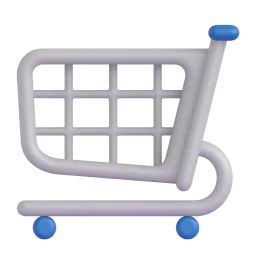
🛒
Shopping Cart
💰
Money Bag
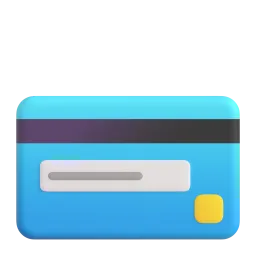
💳
Credit Card
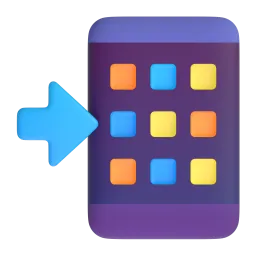
📲
Mobile Phone
🔓
Unlocked
✨
Sparkles
🎮
Video Game
🎁
Wrapped Gift
💎
Gem Stone
🎉
Party Popper
🧪 Emoji Mashups (Emoji Kitchen)
Fun mashups created by combining In App Purchase emojis with Emoji Kitchen. Download and use them freely.
Help grow the In App Purchase collection! Suggest emojis or symbols you think are missing and contribute to the community.
💡 Missing an emoji/symbol?
📖
Meaning & Usage
🛒
Shopping Cart
Represents the act of purchasing, often used to indicate the availability of items for sale within an app. On some platforms (like Apple), it appears as a filled cart, while on others (like Google), it's an empty outline.
💰
Money Bag
Symbolizes wealth and financial transactions, frequently used to represent the cost of in-app purchases. Its appearance varies slightly across platforms, with some showing dollar signs and others showing generic currency symbols.
💳
Credit Card
Represents the payment method used for in-app purchases. The design is generally consistent across platforms, but the color and level of detail may differ.
📲
Mobile Phone
Represents the device on which in-app purchases are made. This emoji is universally understood to represent mobile technology.
🔓
Unlocked
Symbolizes the unlocking of premium features or content through in-app purchases. It can also represent access to exclusive content.
✨
Sparkles
Represents the excitement and allure of new features or content unlocked through in-app purchases. It adds a sense of magic and wonder.
🎮
Video Game
Represents the gaming context where many in-app purchases occur. It's often used to denote virtual items, power-ups, or cosmetic upgrades.
📱
Platform Appearances
🛒 Shopping Cart
Google NotoApache 2.0
Twitter/XCC-BY 4.0
Noto AnimatedApache 2.0
Fluent 3DMIT
OpenMojiCC BY-SA 4.0
💰 Money Bag
Google NotoApache 2.0
Twitter/XCC-BY 4.0
Fluent 3DMIT
OpenMojiCC BY-SA 4.0
💳 Credit Card
Google NotoApache 2.0
Twitter/XCC-BY 4.0
Fluent 3DMIT
OpenMojiCC BY-SA 4.0
📲 Mobile Phone
Google NotoApache 2.0
Twitter/XCC-BY 4.0
Fluent 3DMIT
OpenMojiCC BY-SA 4.0
🔓 Unlocked
Google NotoApache 2.0
Twitter/XCC-BY 4.0
Fluent 3DMIT
OpenMojiCC BY-SA 4.0
✨ Sparkles
Google NotoApache 2.0
Twitter/XCC-BY 4.0
Noto AnimatedApache 2.0
Fluent 3DMIT
OpenMojiCC BY-SA 4.0
ℹ️ All images shown are from open-licensed sources (Apache 2.0, MIT, CC-BY 4.0, CC BY-SA 4.0) and are free to use.
💬
Ready Messages
Copy and share
Unlock premium features now! 🔓✨ Get the full experience! 📲
New levels available! 🎮💰 Purchase now and keep playing! 🎉
Get exclusive content with our in-app purchases! 🎁💎 Don't miss out!
Upgrade your experience! 🚀💳 In-app purchases available now! 🛒
Level up your game! 🎮💰 In-app purchases make it easy! ✨
Special offer! 🎁💎 Get bonus items with your next in-app purchase! 🛒
Unlock your potential! 🔓📲 In-app purchases are the key! 🎉
Ready for more? 🎮💰 In-app purchases await! ✨
🎨
Related Emojis
💸
Money
🕹️
Gaming
🔓
Access
📱
Mobile
🛍️
Shopping
🎁
Gifts
⭐
Ratings
📣
Promotions
💡
Usage Tips
🎯
Target Your Audience
Use emojis that resonate with your app's target demographic. A younger audience might appreciate more playful emojis, while a professional audience may prefer more subtle symbols.
🎯
Platform Consistency
Be aware that emojis can appear differently across platforms (Apple, Google, Samsung, etc.). Test your messages on different devices to ensure they convey the intended meaning.
🎯
Context is Key
Always provide context when using emojis related to in-app purchases. A simple emoji might be misinterpreted without a clear explanation.
🎯
Avoid Overuse
While emojis can enhance communication, avoid using too many in a single message. Overcrowding can make your message appear cluttered and unprofessional.
🎯
Use in App Store Descriptions
Incorporate relevant emojis in your app store description to highlight in-app purchase options and entice potential users.
🔗
Similar Combinations
Discover more emoji combinations related to In App Purchase