The concept of 'hurt' encompasses a wide range of physical and emotional pain, and expressing it through emojis requires careful consideration. Emojis can help convey the intensity and nature of the hurt, whether it's a minor scrape, a serious injury, or a deep emotional wound. When choosing emojis to represent hurt, consider the context of the situation and the recipient's emotional state. Using overly dramatic or graphic emojis for minor incidents can be insensitive, while understated emojis might not adequately express the severity of a significant injury or emotional distress. It's also important to be mindful of cultural differences in how pain and suffering are expressed. Some cultures may be more reserved, while others may be more expressive. Understanding these nuances can help you choose the most appropriate emojis to communicate your message effectively and empathetically.
Beyond literal depictions of injury, emojis can also represent the emotional aspects of hurt, such as sadness, disappointment, and loneliness. A combination of emojis can often be more effective than a single emoji in conveying the complexity of the experience. For example, a bandaged face emoji combined with a sad face emoji can indicate both physical and emotional pain. When using emojis to express hurt, it's crucial to prioritize sensitivity and empathy. Avoid using emojis in a way that could trivialize or minimize someone's pain. Instead, use them to offer support, understanding, and encouragement. Remember that emojis are just one tool for communication, and they should be used in conjunction with thoughtful words and actions to provide genuine comfort and care. Consider the platform you're using, as emoji appearance varies across devices and operating systems, potentially altering the intended message.
17+Emoji
8Messages
5Tips
⚡
Quick Copy
Copy most popular emojis with one click
🤕
Face with Head Bandage
😥
Sad but Relieved Face
💔
Broken Heart
😭
Loudly Crying Face
🤕
Head Bandage
🤒
Face with Thermometer
🤧
Sneezing Face
😞
Disappointed Face
😟
Worried Face
🧪 Emoji Mashups (Emoji Kitchen)
Fun mashups created by combining Hurt emojis with Emoji Kitchen. Download and use them freely.
Help grow the Hurt collection! Suggest emojis or symbols you think are missing and contribute to the community.
💡 Missing an emoji/symbol?
📖
Meaning & Usage
🤕
Face with Head Bandage
Represents physical injury, particularly to the head. It can also be used to express feeling unwell or recovering from an accident. On some platforms, the bandage is more prominent than others.
😥
Sad but Relieved Face
Conveys a mix of sadness and relief, often used when someone is going through a difficult time but is also grateful for something positive. It can also indicate a close call or near miss. The expression varies slightly across platforms, with some showing more pronounced tears.
💔
Broken Heart
Symbolizes heartbreak, emotional pain, or the end of a relationship. It's a universal symbol of sadness and loss. The visual representation is consistent across most platforms, although the color and style may vary slightly.
😭
Loudly Crying Face
Represents intense sadness, grief, or overwhelming emotion. It's often used to express extreme disappointment or frustration. The number and size of the tears can differ slightly between platforms.
🤒
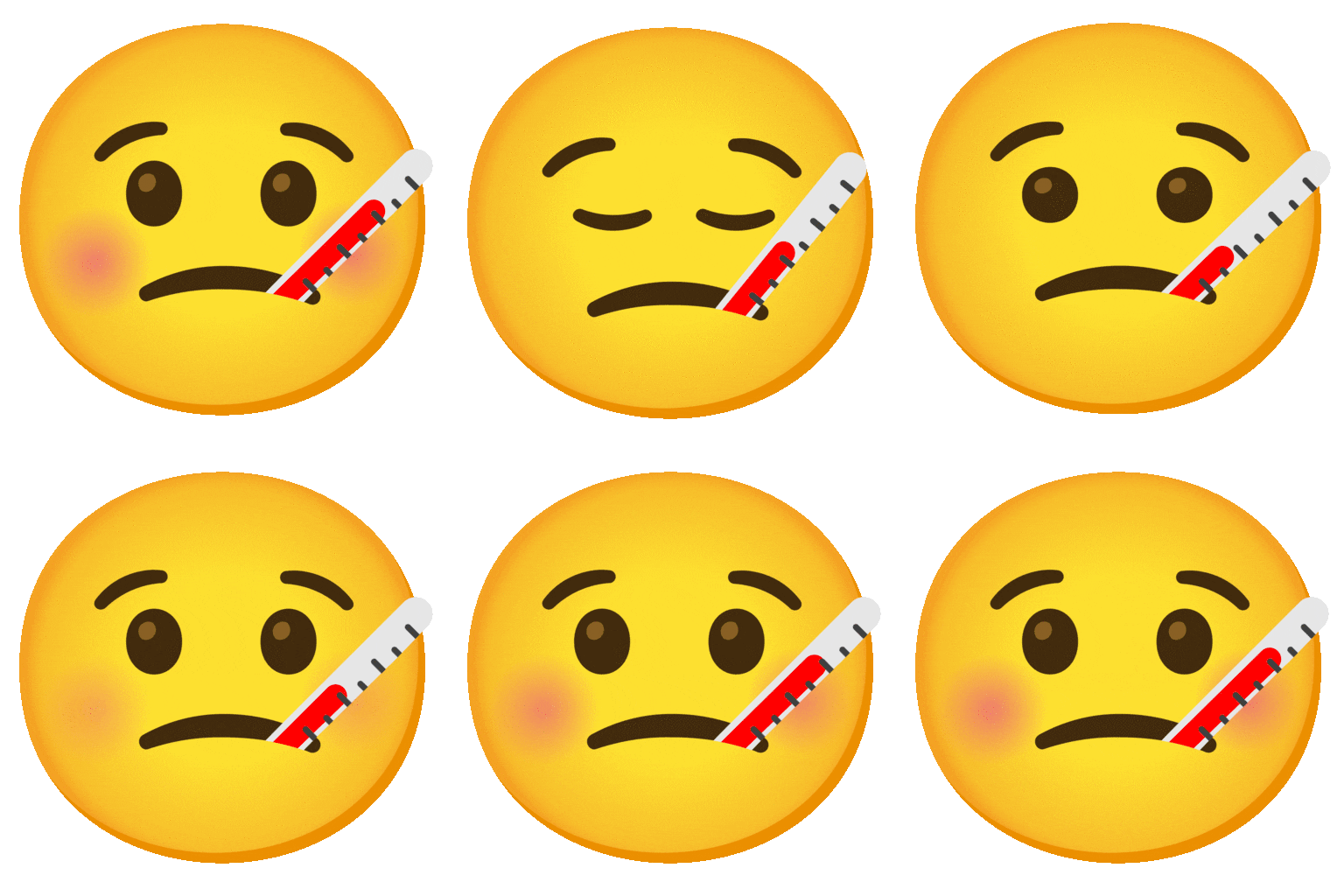
Face with Thermometer
Indicates illness, fever, or feeling unwell. It can also be used to express concern for someone who is sick. The thermometer's placement and the face's expression vary across platforms.
😞
Disappointed Face
Conveys a general feeling of disappointment, sadness, or regret. It's a milder expression of sadness than the loudly crying face. The facial expression is generally consistent across platforms, but the shading and detail may vary.
📱
Platform Appearances
🤕 Face with Head Bandage
Google NotoApache 2.0
Twitter/XCC-BY 4.0
Noto AnimatedApache 2.0
Fluent 3DMIT
OpenMojiCC BY-SA 4.0
😥 Sad but Relieved Face
Google NotoApache 2.0
Twitter/XCC-BY 4.0
Noto AnimatedApache 2.0
Fluent 3DMIT
OpenMojiCC BY-SA 4.0
💔 Broken Heart
Google NotoApache 2.0
Twitter/XCC-BY 4.0
Noto AnimatedApache 2.0
Fluent 3DMIT
OpenMojiCC BY-SA 4.0
😭 Loudly Crying Face
Google NotoApache 2.0
Twitter/XCC-BY 4.0
Noto AnimatedApache 2.0
Fluent 3DMIT
OpenMojiCC BY-SA 4.0
🤕 Head Bandage
Google NotoApache 2.0
Twitter/XCC-BY 4.0
Noto AnimatedApache 2.0
Fluent 3DMIT
OpenMojiCC BY-SA 4.0
🤒 Face with Thermometer
Google NotoApache 2.0
Twitter/XCC-BY 4.0
Noto AnimatedApache 2.0
Fluent 3DMIT
OpenMojiCC BY-SA 4.0
ℹ️ All images shown are from open-licensed sources (Apache 2.0, MIT, CC-BY 4.0, CC BY-SA 4.0) and are free to use.
💬
Ready Messages
Copy and share
I'm so sorry you're going through this 😔. Sending you lots of love and support ❤️.
My heart breaks for you 💔. Let me know if there's anything I can do.
I heard about what happened. I hope you feel better soon 🤕🙏.
This is such a difficult time, but you're strong 💪. I'm here for you 🫂.
I'm so disappointed with how things turned out 😞. Let's talk when you're ready.
Feeling under the weather today 🤒. Need some rest and relaxation 😴.
Just found out some bad news 😭. Need a moment to process.
That was a close call 😥! So glad everything is okay now.
🎨
Related Emojis
🩹
Adhesive Bandage
🩺
Stethoscope
💊
Pill
💉
Syringe
🤕
Face with Head Bandage
🤒
Face with Thermometer
💔
Broken Heart
🫂
People Hugging
💡
Usage Tips
🎯
Context is Key
Choose emojis that accurately reflect the severity and nature of the hurt. Avoid using overly dramatic emojis for minor incidents.
🎯
Combine Emojis
Use a combination of emojis to convey the complexity of the experience. For example, combine a bandaged face emoji with a sad face emoji.
🎯
Be Sensitive
Prioritize sensitivity and empathy when using emojis to express hurt. Avoid using emojis in a way that could trivialize or minimize someone's pain.
🎯
Platform Variations
Be aware that emoji appearance varies across platforms. Test your messages on different devices to ensure they convey the intended meaning.
🎯
Consider Cultural Differences
Be mindful of cultural differences in how pain and suffering are expressed. Some cultures may be more reserved, while others may be more expressive.