💻
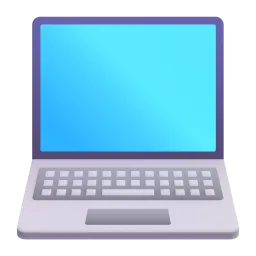
Laptop Emoji
Represents a portable computer. It's commonly used to talk about work, school, or general computing. On some platforms, it shows an Apple Macbook, while others display a generic laptop.
Hardware emojis represent the physical components of computers and other electronic devices. These emojis are useful for discussing technology, building computers, repairing electronics, or simply expressing interest in the inner workings of machines. They can also be used metaphorically to represent the foundational elements of a project or idea. Understanding the nuances of these emojis can add clarity and visual appeal to your digital conversations about technology and related topics. From the central processing unit to the storage devices, each emoji offers a quick and recognizable way to communicate about specific hardware components. Using hardware emojis effectively requires considering your audience and the context of your message. For example, using the 💾 floppy disk emoji might be nostalgic for some but confusing for younger audiences who have never used one. Similarly, using the ⚙️ gear emoji can represent general settings or configurations, but it can also refer to mechanical hardware. When discussing specific computer builds or repairs, using emojis like 💻 laptop, 📱 mobile phone, or ⌨️ keyboard can help clarify the topic. In a more abstract sense, the 🧱 brick emoji can symbolize building blocks or fundamental elements, while the 🔩 nut and bolt emoji can represent fixing or assembling something. By carefully selecting and combining these emojis, you can create engaging and informative messages about hardware and technology.
Copy most popular emojis with one click
Fun mashups created by combining Hardware emojis with Emoji Kitchen. Download and use them freely.


Help grow the Hardware collection! Suggest emojis or symbols you think are missing and contribute to the community.
💡 Missing an emoji/symbol?
Represents a portable computer. It's commonly used to talk about work, school, or general computing. On some platforms, it shows an Apple Macbook, while others display a generic laptop.
Represents a smartphone. It's used to discuss mobile technology, phone calls, texting, or apps. The design varies across platforms, with some showing an iPhone-like device and others a generic smartphone.
Represents a computer keyboard. It's used to talk about typing, writing, or computer input devices. The appearance is generally consistent across platforms, showing a standard QWERTY keyboard layout.
Represents a computer mouse. It's used to discuss computer peripherals, navigation, or gaming. The design varies slightly across platforms, but it's generally recognizable as a standard computer mouse.
Represents a floppy disk, an outdated storage medium. It's often used nostalgically or to symbolize saving data. Younger audiences may not recognize this emoji.
Represents a gear or cogwheel. It's used to symbolize settings, configurations, or mechanical processes. It can also represent the inner workings of a system.
Represents a nut and bolt, used for fastening things together. It symbolizes construction, repair, or assembly. It can also be used metaphorically to represent fixing a problem.


 Noto Animated
Apache 2.0
Noto Animated
Apache 2.0







 Noto Animated
Apache 2.0
Noto Animated
Apache 2.0

ℹ️ All images shown are from open-licensed sources (Apache 2.0, MIT, CC-BY 4.0, CC BY-SA 4.0) and are free to use.
Copy and share
Combine hardware emojis with other relevant emojis to provide context. For example, use 💻 with 📚 to represent studying or 💻 with 💼 to represent working.
Be mindful of your audience's familiarity with technology. Avoid using outdated emojis like 💾 with younger audiences who may not understand them.
Be aware that the appearance of emojis can vary across platforms. Test your messages on different devices to ensure they are displayed as intended.
Use hardware emojis metaphorically to represent building, fixing, or configuring things in a non-technical context. For example, 🧱 can represent building a strong foundation for a project.
Emojis are most effective when used in conjunction with text. Use them to supplement your message and add visual interest, rather than replacing words entirely.
This content was created with AI technology, enriched with Unicode Consortium data and community contributions. AI Disclosure →