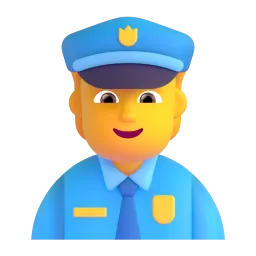
Police Officer Emoji
Represents law enforcement, security, and authority. It can be used to indicate the presence of police or to express a need for law and order. On some platforms, like Apple, the gender of the officer is customizable.
Guards and security are essential for safety and protection, and emojis can help convey these concepts in digital communication. Whether you're talking about security guards, bodyguards, or even metaphorical guardians of information, there are several emojis that can effectively communicate the idea of guarding and protection. These emojis can be used in various contexts, from warning about potential dangers to expressing the need for security measures. They can also represent a sense of responsibility and vigilance. Understanding the nuances of these emojis allows for more effective and nuanced communication, especially in situations where safety and security are paramount. Consider the context and audience when choosing the right emoji to convey your message accurately. For example, using a shield emoji might be appropriate when discussing online security, while a person guarding emoji could be used to represent a physical security presence. The key is to select an emoji that clearly and concisely communicates the intended meaning.
Copy most popular emojis with one click
Fun mashups created by combining Guard emojis with Emoji Kitchen. Download and use them freely.
Help grow the Guard collection! Suggest emojis or symbols you think are missing and contribute to the community.
💡 Missing an emoji/symbol?
Represents law enforcement, security, and authority. It can be used to indicate the presence of police or to express a need for law and order. On some platforms, like Apple, the gender of the officer is customizable.
Symbolizes protection, defense, and security. It can be used to represent physical protection or cybersecurity. The design varies across platforms, with some showing a more medieval-style shield while others depict a modern one.
Represents emergency, alert, and urgency. It is often used to indicate danger or a situation requiring immediate attention. The visual representation is consistent across most platforms, showing a flashing red or blue light.
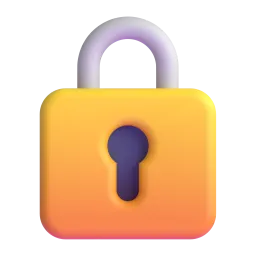
Indicates security, privacy, and restricted access. It can be used to represent locked doors, secure accounts, or confidential information. The design is generally consistent across platforms, showing a padlock in a closed position.
Represents access, solution, and unlocking. It can be used to indicate gaining entry, finding a solution to a problem, or unlocking potential. The style of the key varies across platforms, from old-fashioned keys to modern ones.
Represents watching, observing, and being aware. It can be used to indicate surveillance or to express that someone is keeping an eye on something. The design is fairly consistent across platforms, showing two wide-open eyes.
Noto Animated
Apache 2.0
Noto Animated
Apache 2.0
Noto Animated
Apache 2.0
ℹ️ All images shown are from open-licensed sources (Apache 2.0, MIT, CC-BY 4.0, CC BY-SA 4.0) and are free to use.
Copy and share
Consider the context and audience when selecting an emoji. A shield emoji might be suitable for cybersecurity, while a police officer emoji is better for physical security.
Use multiple emojis to convey a more complex message. For example, 🔒 + 🔑 can represent unlocking a secure door.
Emojis can appear differently across platforms (Apple, Google, Samsung, etc.). Test your messages to ensure they are interpreted as intended.
Avoid overusing emojis, as it can make your message seem unprofessional or unclear. Use them strategically to enhance your message.
Some emojis may have different meanings in different cultures. Be aware of potential misinterpretations, especially when communicating with a global audience.
This content was created with AI technology, enriched with Unicode Consortium data and community contributions. AI Disclosure →