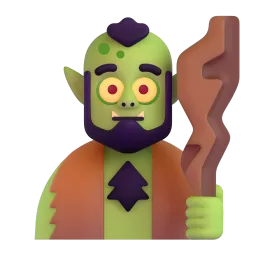
Goblins, those mischievous and often malevolent creatures of folklore, are represented in the emoji world by a few key characters. These emojis capture the essence of goblins as depicted in various cultures – from the pointy ears and mischievous grins to the more monstrous and frightening portrayals. Understanding the nuances of these emojis allows you to add a touch of fantasy, humor, or even a bit of playful wickedness to your digital communications. Whether you're discussing fantasy novels, role-playing games, or just feeling a bit impish, these goblin-related emojis can help you express yourself effectively. The usage of goblin emojis can also extend to representing greed, trickery, or a general sense of chaos, depending on the context and the other emojis used in conjunction. Remember that the interpretation of these emojis can vary across different platforms and cultures, so it's always a good idea to consider your audience when using them.
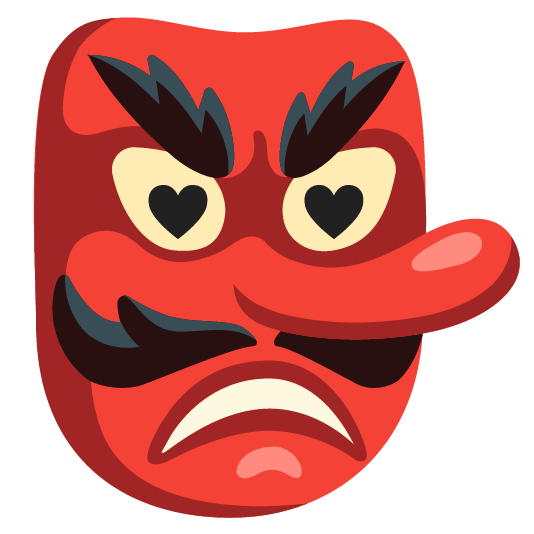
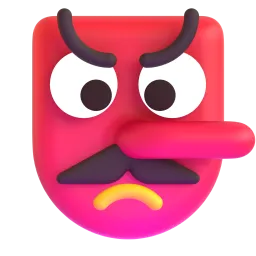
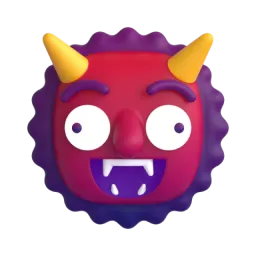
The primary emoji associated with goblins is the 👺 Tengu emoji, a Japanese folklore character often depicted as a long-nosed goblin. While technically a Tengu, its appearance is commonly associated with goblins in Western cultures. This emoji is often used to represent mischief, trickery, and even a bit of playful evil. Other emojis that can be used in conjunction with the Tengu emoji to convey a goblin theme include the 👹 Ogre emoji, which shares a similar monstrous aesthetic, and the 👿 Imp emoji, representing a smaller, more mischievous devilish creature. The use of these emojis can add a layer of depth and personality to your messages, allowing you to express a wide range of emotions and ideas in a visually engaging way. Consider the context of your message and the intended audience when choosing which goblin-related emoji to use, as their meanings can be interpreted differently depending on the situation.
16+Emoji
8Messages
5Tips
⚡
Quick Copy
Copy most popular emojis with one click
👺
Tengu
👹
Ogre
👿
Imp
😈
Smiling Face with Horns
🧙
Wizard
🧌
Troll
💰
Money Bag
🧩
Puzzle Piece
🧪 Emoji Mashups (Emoji Kitchen)
Fun mashups created by combining Goblin emojis with Emoji Kitchen. Download and use them freely.
Help grow the Goblin collection! Suggest emojis or symbols you think are missing and contribute to the community.
💡 Missing an emoji/symbol?
📖
Meaning & Usage
👺
Tengu
Represents a Tengu, a Japanese folklore creature often depicted as a long-nosed goblin. Commonly used to express mischief, trickery, or a playful sense of evil. On some platforms, the nose is more prominent than others.
👹
Ogre
Depicts an ogre, a monstrous humanoid figure often associated with brute strength and aggression. Can be used to represent something scary, intimidating, or simply unpleasant. The design varies across platforms, with some versions appearing more cartoonish than others.
👿
Imp
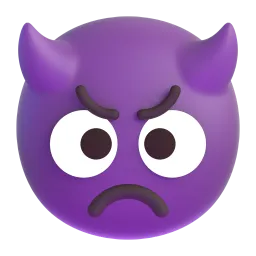
Represents an imp, a small, mischievous devilish creature. Often used to express a playful or naughty attitude. The imp emoji typically features horns and a mischievous grin.
😈
Smiling Face with Horns
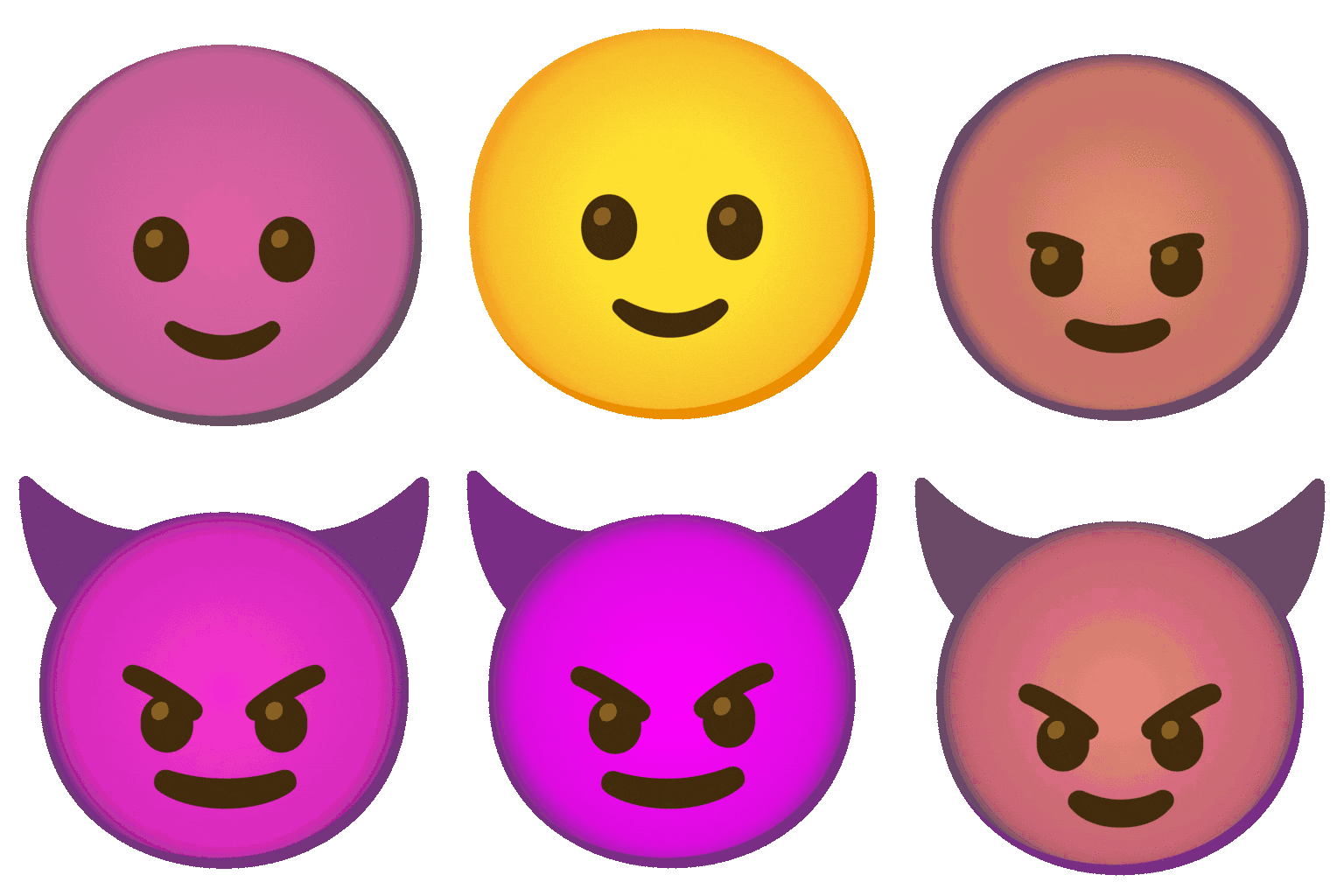
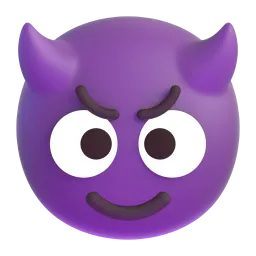
A smiling face with devil horns, often used to express a mischievous or playfully evil mood. It can also indicate a rebellious or cheeky attitude. The horns are more pronounced on some platforms.
🧙
Wizard
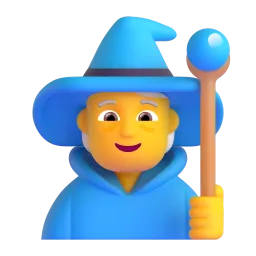
Represents a wizard, a person skilled in magic. While not directly a goblin, wizards are often associated with fantasy settings where goblins reside. The wizard emoji can be male or female, depending on the platform.
🧌
Troll
Depicts a troll, a mythical creature often associated with bridges and caves. Trolls are similar to goblins in many fantasy settings. This emoji is relatively new and may not be supported on all platforms.
📱
Platform Appearances
👺 Tengu
Google NotoApache 2.0
Twitter/XCC-BY 4.0
Fluent 3DMIT
OpenMojiCC BY-SA 4.0
👹 Ogre
Google NotoApache 2.0
Twitter/XCC-BY 4.0
Noto AnimatedApache 2.0
Fluent 3DMIT
OpenMojiCC BY-SA 4.0
👿 Imp
Google NotoApache 2.0
Twitter/XCC-BY 4.0
Noto AnimatedApache 2.0
Fluent 3DMIT
OpenMojiCC BY-SA 4.0
😈 Smiling Face with Horns
Google NotoApache 2.0
Twitter/XCC-BY 4.0
Noto AnimatedApache 2.0
Fluent 3DMIT
OpenMojiCC BY-SA 4.0
🧙 Wizard
Google NotoApache 2.0
Twitter/XCC-BY 4.0
Fluent 3DMIT
OpenMojiCC BY-SA 4.0
🧌 Troll
Google NotoApache 2.0
Twitter/XCC-BY 4.0
Fluent 3DMIT
OpenMojiCC BY-SA 4.0
ℹ️ All images shown are from open-licensed sources (Apache 2.0, MIT, CC-BY 4.0, CC BY-SA 4.0) and are free to use.
💬
Ready Messages
Copy and share
Feeling a bit 👺 today! Time for some mischief. 😉
Watch out, I'm in my 👿 mode! 😈
That was a 👹 task, but I finally finished it! 💪
Let's cause some chaos! 👺😈
I'm channeling my inner 🧙 for this project! ✨
Beware of the 🧌 under the bridge! 🌉
Goblins hoard 💰💰💰!
Life is a 🧩, sometimes you need a 👺 to mess it up!
🎨
Related Emojis
👺
Goblins
👹
Ogres
👿
Imps
🧙
Wizards
🪄
Magic
💰
Greed
🧩
Trickery
🪨
Monsters
💡
Usage Tips
🎯
Context is Key
Consider your audience when using goblin emojis. What might be funny to one person could be offensive to another. Be mindful of cultural differences in interpreting these symbols.
🎯
Combine for Impact
Use goblin emojis in combination with other emojis to create a richer and more nuanced message. For example, 👺💰 can represent greed, while 👺🧩 can represent trickery.
🎯
Platform Variations
Be aware that the appearance of goblin emojis can vary across different platforms (Apple, Google, Samsung, etc.). Test your messages to ensure they're displayed as intended.
🎯
Use Sparingly
Avoid overusing goblin emojis, as they can quickly become overwhelming or annoying. Use them strategically to add emphasis or humor to your messages.
🎯
Consider Alternatives
If you're unsure about using a goblin emoji, consider using a more generic emoji that conveys a similar emotion or idea. For example, the 🤔 Thinking Face emoji could be used instead of the 👺 Tengu emoji to represent a mischievous plan.
🔗
Similar Combinations
Discover more emoji combinations related to Goblin