🧑
Person
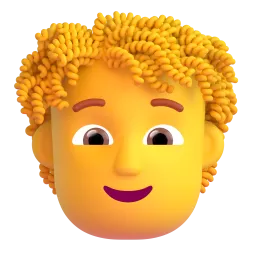
The default 'Person' emoji is designed to be gender-neutral. It represents a generic human being without specifying gender. Use it when gender is irrelevant or unknown.
Navigating the world of gender-neutral emojis can be a bit tricky, but it's all about inclusivity and representation! These emojis aim to move beyond traditional gender stereotypes and offer options that are suitable for everyone, regardless of their gender identity. This guide explores the various gender-neutral emojis available, their meanings, and how to use them effectively in your digital communication. From the gender-neutral person emoji to professions, we'll cover a range of options to help you express yourself and communicate in a way that respects and acknowledges diverse identities. Understanding the nuances of these emojis is crucial for fostering a more inclusive online environment. When using gender-neutral emojis, consider the context of your message and your audience. Some platforms may display these emojis differently, so it's always a good idea to double-check how they appear to others. Remember that the goal is to be respectful and inclusive, so if you're unsure, it's always best to err on the side of caution. By using these emojis thoughtfully, you can contribute to a more welcoming and representative digital world. This guide will help you navigate the options and use them with confidence, ensuring your messages are both clear and inclusive.
Copy most popular emojis with one click
Help grow the Gender Neutral collection! Suggest emojis or symbols you think are missing and contribute to the community.
💡 Missing an emoji/symbol?
The default 'Person' emoji is designed to be gender-neutral. It represents a generic human being without specifying gender. Use it when gender is irrelevant or unknown.
This emoji represents a health worker, such as a doctor or nurse, and is designed to be gender-neutral. It promotes inclusivity in professional roles. Different platforms may show slight variations in appearance.
The gender-neutral cook emoji represents someone who prepares food. It's used to signify cooking, restaurants, or culinary professions without specifying gender. It can be used to promote gender equality in the kitchen.
This emoji represents a student and is designed to be gender-neutral. It's used in the context of education, learning, and academic achievements. Use it when referring to students of any gender.
The gender-neutral office worker emoji represents someone working in a professional setting. It's used to signify jobs, careers, or office environments without specifying gender. It promotes inclusivity in the workplace.
This emoji represents a scientist and is designed to be gender-neutral. It's used in the context of science, research, and discoveries. Use it when referring to scientists of any gender.













ℹ️ All images shown are from open-licensed sources (Apache 2.0, MIT, CC-BY 4.0, CC BY-SA 4.0) and are free to use.
Copy and share
When gender is irrelevant, use the default 'Person' emoji (🧑) to avoid assumptions. This is the most straightforward way to stay gender-neutral.
Emojis can appear differently across platforms (Apple, Google, Samsung, Microsoft, WhatsApp). Always double-check how your chosen emoji looks to others to ensure your message is conveyed as intended.
When referring to professions, use the gender-neutral profession emojis (🧑⚕️, 🧑🍳, 🧑🎓) to promote inclusivity and avoid reinforcing gender stereotypes.
Enhance inclusivity by combining gender-neutral emojis with skin tone modifiers to represent a wider range of people. For example: 🧑🏽⚕️.
Always consider the context of your message and your audience. If you're unsure, it's better to use a gender-neutral option or ask for clarification.
This content was created with AI technology, enriched with Unicode Consortium data and community contributions. AI Disclosure →