Facial expression emojis are a cornerstone of digital communication, allowing us to convey emotions, reactions, and nuances that text alone often misses. From the ubiquitous smiley face to more complex expressions like surprise, anger, or sadness, these digital icons add depth and context to our messages. Understanding the subtle differences between emojis across platforms (Apple, Google, Samsung, Microsoft, WhatsApp, etc.) is crucial, as the same emoji can be interpreted differently depending on its visual representation. For example, a slightly raised eyebrow on one platform might appear as skepticism, while on another it could simply indicate curiosity. Cultural context also plays a significant role; an emoji considered lighthearted in one culture might be perceived as offensive in another. Therefore, choosing the right facial expression emoji requires careful consideration of your audience and the overall tone of your message.
The evolution of facial expression emojis reflects our growing need for more expressive digital communication. Early emojis were simple and straightforward, but as technology advanced, so did the range and complexity of available expressions. Today, we have emojis that capture a wide spectrum of emotions, from joy and excitement to frustration and disappointment. Some emojis even incorporate subtle facial cues like eye direction, mouth shape, and eyebrow position to convey more nuanced feelings. The use of skin tone modifiers has also made emojis more inclusive, allowing users to represent themselves more accurately in digital conversations. Mastering the art of using facial expression emojis can significantly enhance your online interactions, making them more engaging, personal, and effective. Remember to use them thoughtfully and strategically to avoid miscommunication and ensure your message is received as intended.
18+Emoji
8Messages
5Tips
⚡
Quick Copy
Copy most popular emojis with one click
😀
Grinning Face
😂
Face with Tears of Joy
😊
Smiling Face with Smiling Eyes
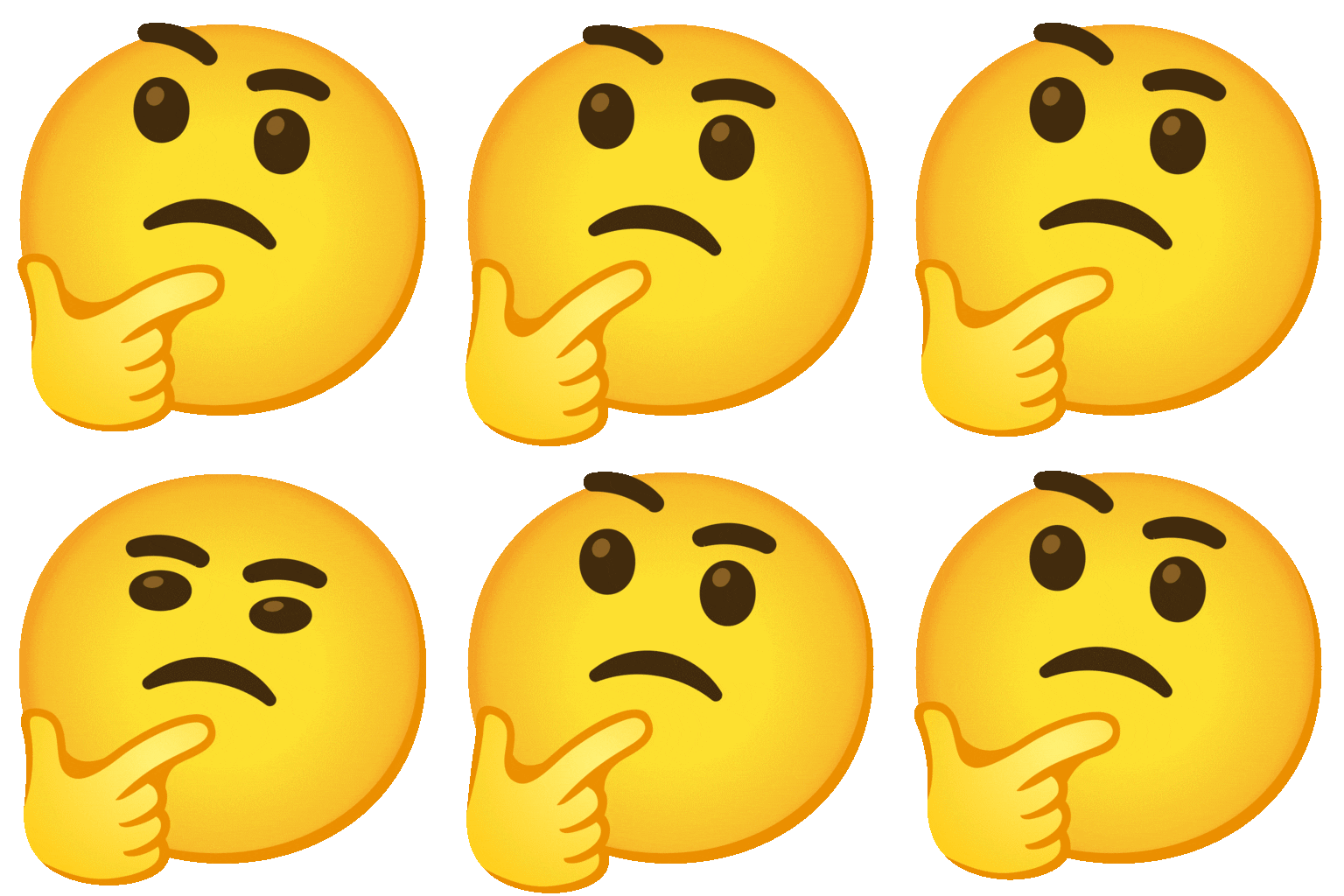
🤔
Thinking Face
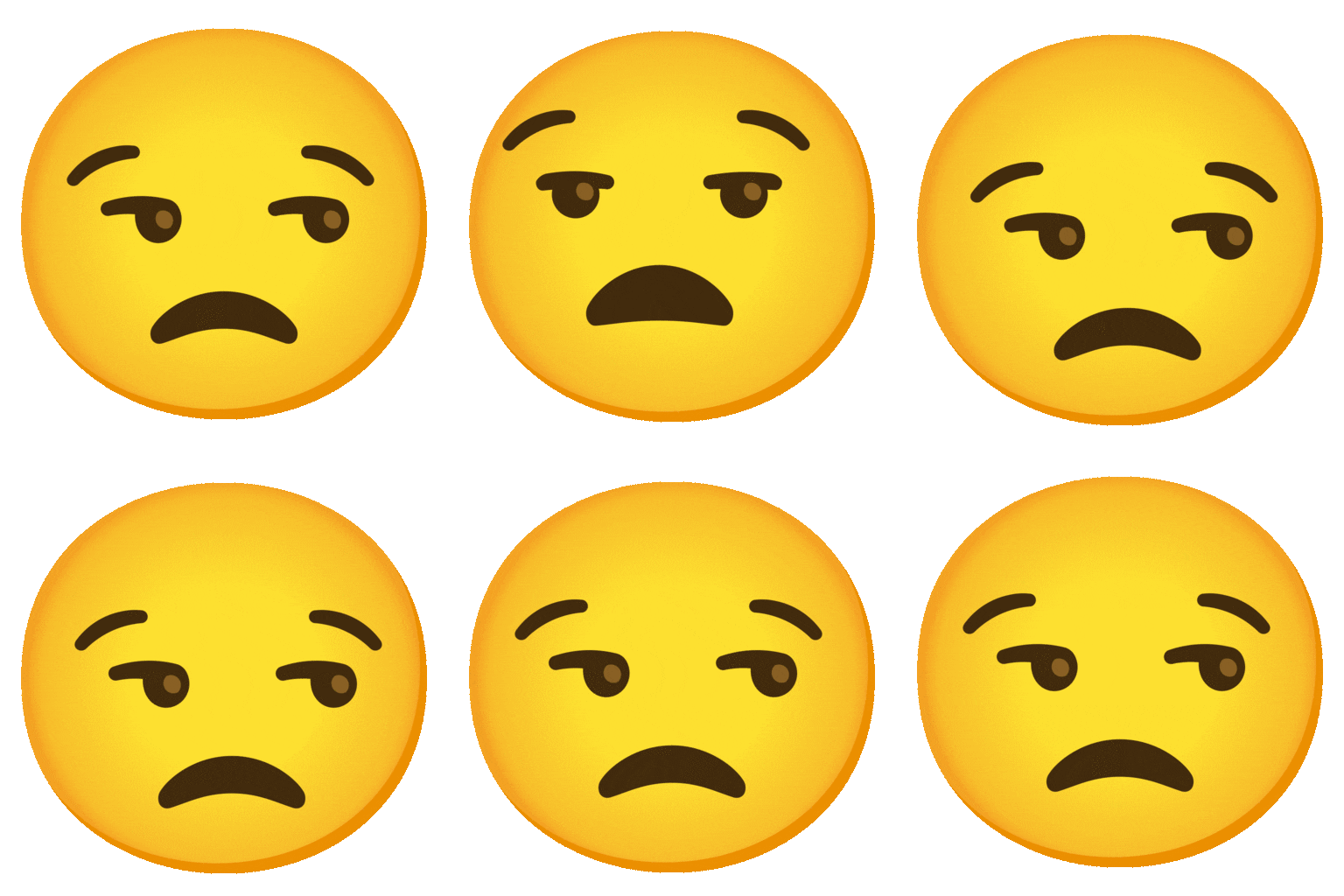
😒
Unamused Face
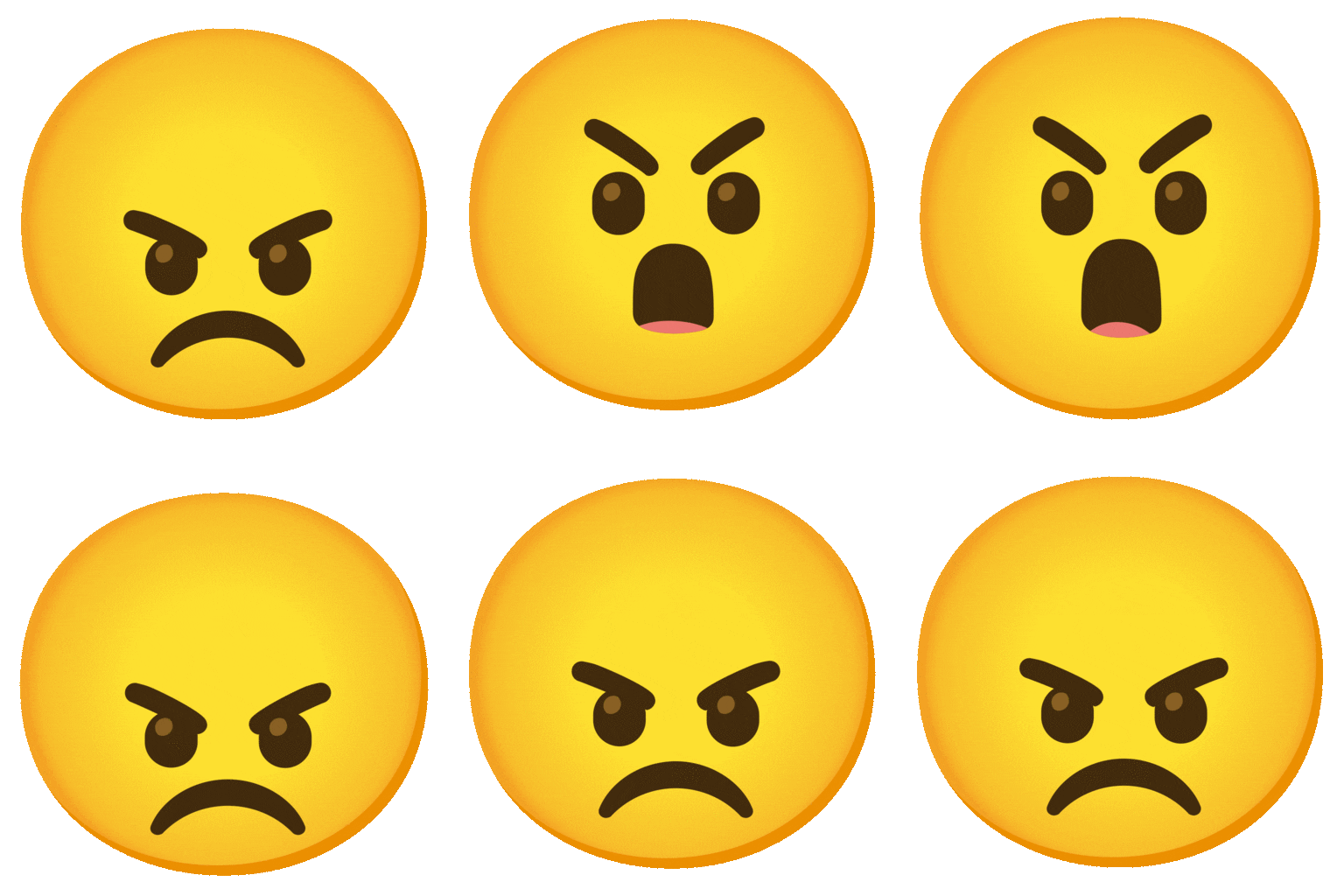
😠
Angry Face
😢
Crying Face
😮
Face with Open Mouth
😍
Smiling Face with Heart-Eyes
🙄
Face with Rolling Eyes
🧪 Emoji Mashups (Emoji Kitchen)
Fun mashups created by combining Facial Expression emojis with Emoji Kitchen. Download and use them freely.
Help grow the Facial Expression collection! Suggest emojis or symbols you think are missing and contribute to the community.
💡 Missing an emoji/symbol?
📖
Meaning & Usage
😀
Grinning Face
Represents general happiness and pleasure. It's a versatile emoji used to express positive feelings in a wide range of contexts. However, on some platforms, it can appear slightly mischievous.
😂
Face with Tears of Joy
Indicates extreme amusement or laughter. It's one of the most popular emojis and is often used to show that something is very funny. Be mindful of context, as overuse can sometimes diminish its impact.
🤔
Thinking Face
Represents contemplation, pondering, or skepticism. It can be used to show that you're thinking about something or that you're not sure about something. The placement of the hand on the chin varies slightly across platforms.
😒
Unamused Face
Expresses dissatisfaction, annoyance, or skepticism. It's often used to convey a negative feeling without being overly aggressive. The subtle differences in the facial expression across platforms can significantly alter its perceived meaning.
😢
Crying Face
Represents sadness, disappointment, or grief. It's used to express a range of negative emotions, from mild sadness to intense sorrow. The presence or absence of tears, and their size, can vary across platforms, affecting the intensity of the emotion conveyed.
😍
Smiling Face with Heart-Eyes
Indicates infatuation, adoration, or intense liking. It's often used to express love or admiration for someone or something. The size and placement of the hearts can differ slightly across platforms.
📱
Platform Appearances
😀 Grinning Face
Google NotoApache 2.0
Twitter/XCC-BY 4.0
Noto AnimatedApache 2.0
Fluent 3DMIT
OpenMojiCC BY-SA 4.0
😂 Face with Tears of Joy
Google NotoApache 2.0
Twitter/XCC-BY 4.0
Noto AnimatedApache 2.0
Fluent 3DMIT
😊 Smiling Face with Smiling Eyes
Google NotoApache 2.0
Twitter/XCC-BY 4.0
Noto AnimatedApache 2.0
Fluent 3DMIT
OpenMojiCC BY-SA 4.0
🤔 Thinking Face
Google NotoApache 2.0
Noto AnimatedApache 2.0
Fluent 3DMIT
OpenMojiCC BY-SA 4.0
😒 Unamused Face
Google NotoApache 2.0
Twitter/XCC-BY 4.0
Noto AnimatedApache 2.0
OpenMojiCC BY-SA 4.0
😠 Angry Face
Google NotoApache 2.0
Twitter/XCC-BY 4.0
Noto AnimatedApache 2.0
Fluent 3DMIT
OpenMojiCC BY-SA 4.0
ℹ️ All images shown are from open-licensed sources (Apache 2.0, MIT, CC-BY 4.0, CC BY-SA 4.0) and are free to use.
💬
Ready Messages
Copy and share
Just heard the funniest joke! 😂 I'm still laughing!
I'm so happy for you! 🎉 Congratulations on your new job! 😀
I'm not sure about that... 🤔 Let me think about it.
Ugh, I have so much work to do. 😒
I'm so sad that the vacation is over. 😢
I'm absolutely in love with this song! 😍
Seriously? 🙄 I can't believe that just happened.
Feeling grateful for all the amazing people in my life! 😊
🎨
Related Emojis
😀
Happy
😢
Sad
😠
Angry
😮
Surprised
🤔
Thoughtful
😍
Loving
🙄
Skeptical
🤮
Disgusted
💡
Usage Tips
🎯
Consider Your Audience
Be mindful of who you're communicating with. An emoji that's appropriate for a friend might not be suitable for a professional contact.
🎯
Platform Differences
Be aware that emojis can look different across platforms (Apple, Google, Samsung, etc.). Test your messages on different devices to ensure the intended meaning is clear.
🎯
Avoid Overuse
Using too many emojis can make your message seem cluttered and unprofessional. Use them sparingly and strategically to enhance your message, not distract from it.
🎯
Context is Key
Always consider the context of your message. An emoji that's appropriate in one situation might be inappropriate in another.
🎯
Use Skin Tone Modifiers
Use skin tone modifiers to represent yourself more accurately and promote inclusivity. Long press on an emoji to access the skin tone options.
🔗
Similar Combinations
Discover more emoji combinations related to Facial Expression