Errors are an inevitable part of life, especially in the digital world. From software glitches to simple typos, we encounter errors daily. Emojis can help us express the frustration, humor, or even the acceptance that comes with these mishaps. This guide explores the best emojis to use when discussing errors, whether you're debugging code, dealing with a frustrating app, or just making a silly mistake. Understanding the nuances of these emojis can add clarity and emotion to your digital communication, helping you convey the right message in a lighthearted or serious manner, depending on the context. We'll delve into the meanings of various error-related emojis, provide examples of how to use them effectively, and offer tips on avoiding misinterpretations. So, let's dive in and explore the world of error emojis!
17+Emoji
8Messages
5Tips
⚡
Quick Copy
Copy most popular emojis with one click
❌
Cross Mark
❗
Exclamation Mark
🚧
Construction Sign
🔥
Fire
🤯
Exploding Head
🤦♀️
Woman Facepalming
🤷
Person Shrugging
🐛
Bug
🤕
Face with Head Bandage
🧪 Emoji Mashups (Emoji Kitchen)
Fun mashups created by combining Error emojis with Emoji Kitchen. Download and use them freely.
Help grow the Error collection! Suggest emojis or symbols you think are missing and contribute to the community.
💡 Missing an emoji/symbol?
📖
Meaning & Usage
❌
Cross Mark
Represents rejection, cancellation, or a negative response. It's commonly used to indicate that something is incorrect or has failed. On some platforms, it appears as a bold 'X', while others render it as a more stylized cross.
❗
Exclamation Mark
Signifies emphasis, surprise, or warning. In the context of errors, it often highlights the severity or urgency of the issue. Different platforms may display it with varying levels of boldness or stylistic flair.
🚧
Construction Sign
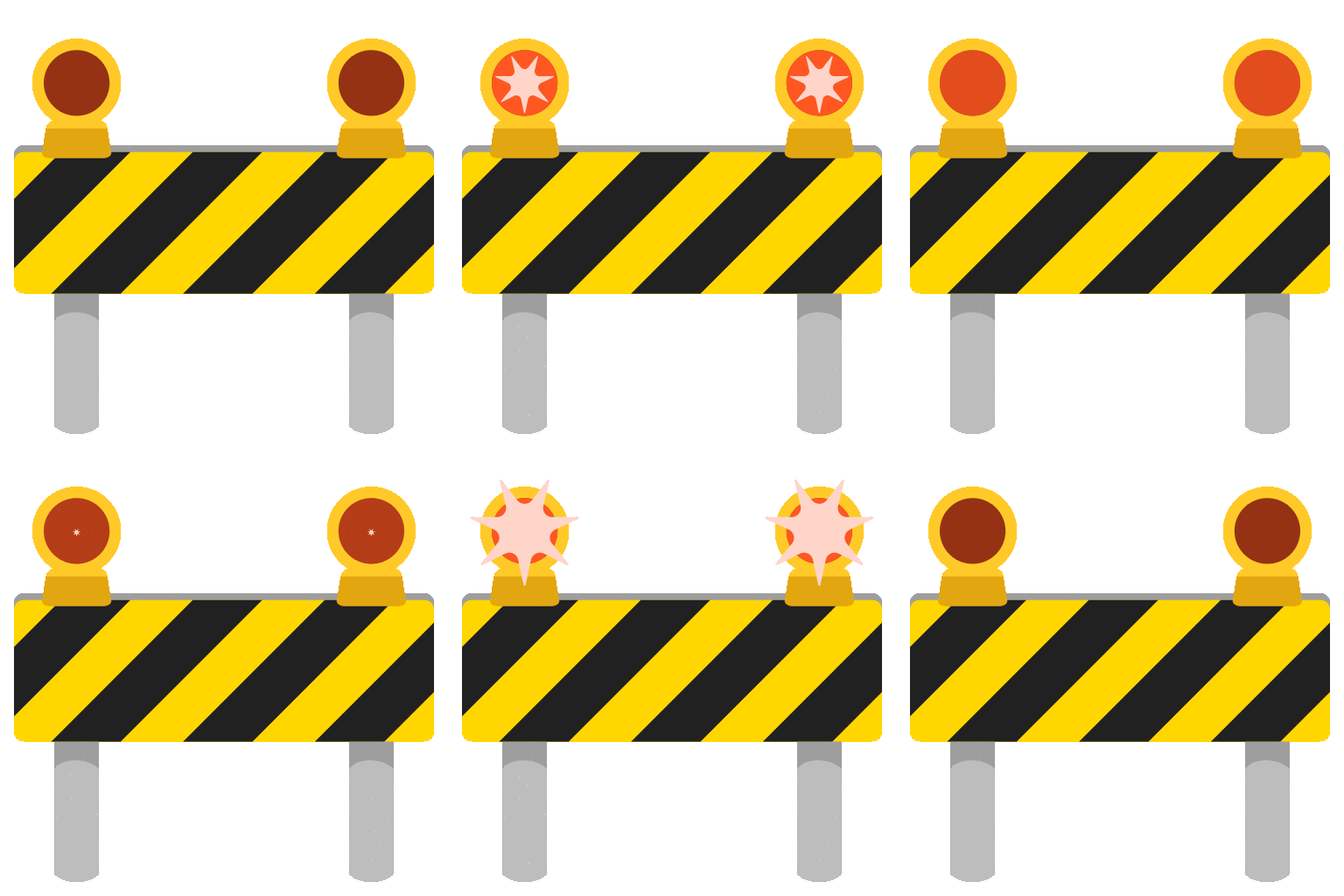
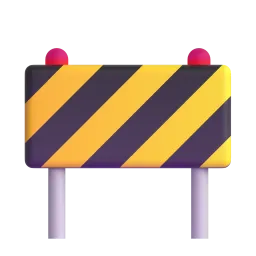
Indicates that something is under construction or temporarily unavailable. It's a good way to signal that a system is experiencing issues or undergoing maintenance. The style of the sign varies across platforms, but the meaning remains consistent.
🔥
Fire
Represents a major problem or disaster, often used humorously to describe a situation that has gone completely wrong. The visual representation of the fire can differ slightly between platforms, ranging from a small flame to a larger, more intense blaze.
🤯
Exploding Head
Expresses shock, disbelief, or being overwhelmed by a problem. It's a dramatic way to show the mental state when encountering a particularly frustrating error. The style and detail of the explosion vary across platforms.
🤦♀️
Woman Facepalming
Indicates frustration, embarrassment, or disbelief at one's own or someone else's mistake. It's a common reaction to a silly error. The gender of the emoji can be changed on some platforms.
🐛
Bug
Directly represents a software bug or glitch. It's a literal depiction of the problem and is commonly used in technical contexts. The appearance of the bug varies, with some platforms showing a more cartoonish version.
📱
Platform Appearances
❌ Cross Mark
Google NotoApache 2.0
Twitter/XCC-BY 4.0
Noto AnimatedApache 2.0
Fluent 3DMIT
OpenMojiCC BY-SA 4.0
❗ Exclamation Mark
Google NotoApache 2.0
Twitter/XCC-BY 4.0
Noto AnimatedApache 2.0
Fluent 3DMIT
OpenMojiCC BY-SA 4.0
🚧 Construction Sign
Google NotoApache 2.0
Twitter/XCC-BY 4.0
Noto AnimatedApache 2.0
Fluent 3DMIT
OpenMojiCC BY-SA 4.0
🔥 Fire
Google NotoApache 2.0
Twitter/XCC-BY 4.0
Noto AnimatedApache 2.0
Fluent 3DMIT
OpenMojiCC BY-SA 4.0
🤯 Exploding Head
Google NotoApache 2.0
Twitter/XCC-BY 4.0
Noto AnimatedApache 2.0
Fluent 3DMIT
OpenMojiCC BY-SA 4.0
🤦♀️ Woman Facepalming
Google NotoApache 2.0
Twitter/XCC-BY 4.0
ℹ️ All images shown are from open-licensed sources (Apache 2.0, MIT, CC-BY 4.0, CC BY-SA 4.0) and are free to use.
💬
Ready Messages
Copy and share
Oops, I think I broke the code! 🐛❌
Major error! The server is down! ❗🚧
I accidentally deleted the database. 🤦♀️🔥
This bug is driving me crazy! 🤯
Trying to fix this error, but I'm completely lost. 🤷
Another day, another error message. 🤕
System failure! Please try again later. ❌
Help! I'm getting a 404 error! ❗
🎨
Related Emojis
💻
Computer
📱
Mobile Phone
⚙️
Gear
🔧
Wrench
🩺
Stethoscope
🚨
Siren
⛔
No Entry
🚫
Prohibited
💡
Usage Tips
🎯
Context is Key
Consider your audience and the severity of the error when choosing an emoji. A lighthearted emoji might be appropriate for a minor typo, but a more serious one is needed for a critical system failure.
🎯
Platform Variations
Be aware that emojis can look different across platforms (Apple, Google, Samsung, etc.). Test your messages to ensure they are interpreted as intended.
🎯
Combine Emojis
Use multiple emojis to add emphasis or convey a more complex emotion. For example, 🐛❌ can clearly indicate a bug that needs fixing.
🎯
Avoid Overuse
Don't overuse error emojis, especially in professional settings. Too many emojis can make your message seem unprofessional or unclear.
🎯
Use with Text
Always include text to provide context for your emojis. Emojis alone can be ambiguous and lead to misinterpretations.