🚫
Prohibited
Represents something that is not allowed or forbidden. Often used to indicate a general prohibition or restriction. On some platforms, it appears as a red circle with a diagonal line.
The phrase "Entry Denied" evokes a sense of restriction, rejection, and potential frustration. Whether it's a bouncer at a club, a border control officer, or a website refusing access, the feeling is universally understood. This emoji guide explores the various ways to express this sentiment using emojis, from simple denial symbols to more nuanced expressions of disappointment and anger. We'll delve into the cultural context of these emojis, their cross-platform variations, and provide tips on how to use them effectively in your digital communication. Understanding the subtle differences in how these emojis are rendered across different platforms (Apple, Google, Samsung, Microsoft, WhatsApp) is crucial for conveying the intended message accurately. For instance, a simple "no entry" sign might appear more aggressive on one platform compared to another. This guide will help you navigate these nuances and choose the right emoji for the situation. Consider the recipient and the context of your message when selecting an emoji to express "Entry Denied".
Copy most popular emojis with one click
Fun mashups created by combining Entry Denied emojis with Emoji Kitchen. Download and use them freely.


Help grow the Entry Denied collection! Suggest emojis or symbols you think are missing and contribute to the community.
💡 Missing an emoji/symbol?
Represents something that is not allowed or forbidden. Often used to indicate a general prohibition or restriction. On some platforms, it appears as a red circle with a diagonal line.
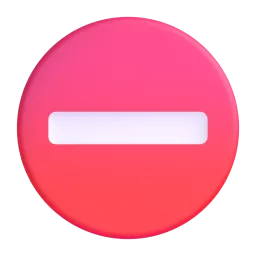
Specifically indicates that entry is not permitted. This emoji is often used in contexts where physical access is restricted, such as buildings or areas. The design varies slightly across platforms, but the core meaning remains consistent.
Represents a command to stop or halt. It can be used metaphorically to indicate the end of something or to signal that something should not proceed further. The appearance is generally consistent across platforms, resembling a standard stop sign.
Indicates negation, incorrectness, or cancellation. It can be used to mark something as wrong or to signify that something has been rejected. The visual representation is fairly uniform across different platforms.
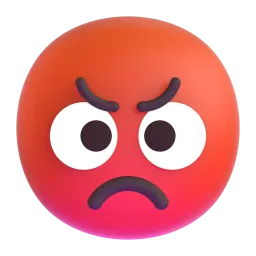
Expresses anger or annoyance. This emoji can be used to convey the feeling of frustration associated with being denied entry. The intensity of the anger displayed varies slightly between platforms.
Represents a stronger form of anger or frustration. It can be used to express a more intense reaction to being denied entry. The facial expression is generally consistent across platforms, showing a furrowed brow and downturned mouth.
Symbolizes security and restricted access. It can be used to represent a literal locked door or a metaphorical barrier to entry. The design varies slightly between platforms, with some showing a padlock and others a more stylized lock.







 Noto Animated
Apache 2.0
Noto Animated
Apache 2.0



 Noto Animated
Apache 2.0
Noto Animated
Apache 2.0



 Noto Animated
Apache 2.0
Noto Animated
Apache 2.0



 Noto Animated
Apache 2.0
Noto Animated
Apache 2.0

ℹ️ All images shown are from open-licensed sources (Apache 2.0, MIT, CC-BY 4.0, CC BY-SA 4.0) and are free to use.
Copy and share
Choose an emoji that matches the tone and severity of the situation. A simple '🚫' might be sufficient for a minor inconvenience, while '😡' might be more appropriate for a serious denial.
Be aware that emojis can look different across platforms. Test your messages on different devices to ensure the intended meaning is conveyed accurately. Apple's emojis often have a different aesthetic than Google's or Samsung's.
Use multiple emojis to add emphasis or nuance to your message. For example, 'Entry Denied! 🚫😠' conveys both the denial and the frustration associated with it.
Some emojis can be misinterpreted, especially across cultures. Be mindful of your audience and choose emojis that are likely to be understood as intended. A 'thumbs down' emoji, for example, can be offensive in some cultures.
Emojis are most effective when used in conjunction with text. Provide context and clarity to ensure your message is understood. A simple emoji without explanation can be confusing or ambiguous.
This content was created with AI technology, enriched with Unicode Consortium data and community contributions. AI Disclosure →