👍
Thumbs Up
Generally indicates approval or agreement. However, in some cultures, it can be considered rude or offensive. Be mindful of your audience's cultural background before using this emoji.
Navigating the world of emojis can be tricky. What might seem like a harmless smiley face to one person could be interpreted as sarcastic or even rude by another. Emoji etiquette is all about understanding the nuances of these tiny digital icons and using them appropriately in different contexts. It involves considering your audience, the platform you're using, and the overall tone of your message. Overusing emojis can make you seem unprofessional, while using the wrong emoji can lead to misunderstandings. This guide will help you master the art of emoji etiquette and ensure your messages are always well-received. Understanding cultural differences is also crucial. Emojis can have different meanings in different cultures. For example, the thumbs-up emoji 👍 is generally positive in Western cultures, but it can be considered offensive in some parts of the Middle East. Similarly, certain hand gestures can have completely different interpretations depending on the region. Always be mindful of your audience and their cultural background when using emojis. Consider the age and relationship with the recipient. Using too many emojis with a boss or older relative might seem inappropriate. It's always better to err on the side of caution and use emojis sparingly in professional or formal settings. Context is key. A string of laughing emojis 😂😂😂 might be perfect for a casual conversation with friends, but it's probably not appropriate for discussing a serious topic. Choose emojis that accurately reflect the tone and content of your message. Finally, pay attention to how others use emojis. Observe how your friends, colleagues, and family members use emojis in their messages. This can give you a better understanding of their preferences and expectations. If you're unsure about whether or not to use an emoji, it's always best to ask. A simple "Is it okay if I use emojis in our messages?" can go a long way in preventing misunderstandings. Remember that emojis are meant to enhance communication, not replace it. Use them thoughtfully and strategically to add clarity, emotion, and personality to your messages, but never rely on them as a substitute for clear and concise language.
Copy most popular emojis with one click
Fun mashups created by combining Etiquette emojis with Emoji Kitchen. Download and use them freely.



Help grow the Etiquette collection! Suggest emojis or symbols you think are missing and contribute to the community.
💡 Missing an emoji/symbol?
Generally indicates approval or agreement. However, in some cultures, it can be considered rude or offensive. Be mindful of your audience's cultural background before using this emoji.
Expresses contemplation, skepticism, or uncertainty. Use it when you're pondering a question or disagreeing politely. On some platforms, it can appear more sarcastic than thoughtful.
Can indicate nervousness, awkwardness, or a close call. Avoid using it in serious situations or when discussing sensitive topics. It can also be used to express relief.
Represents discomfort, cringing, or awkwardness. Use it sparingly, as it can be easily misinterpreted as insincere or sarcastic. It's best used in lighthearted contexts.
Conveys disapproval, annoyance, or boredom. Avoid using this emoji with superiors or in professional settings, as it can be seen as disrespectful. It's generally best reserved for close friends.
Often used to express gratitude, prayer, or apology. Be aware that some people may find it inappropriate to use this emoji in casual conversation. Consider the context carefully.
Indicates perfection, agreement, or enthusiasm. Use it to emphasize a point or show strong support. Overusing it can make you seem insincere or immature.


 Noto Animated
Apache 2.0
Noto Animated
Apache 2.0



 Noto Animated
Apache 2.0
Noto Animated
Apache 2.0



 Noto Animated
Apache 2.0
Noto Animated
Apache 2.0



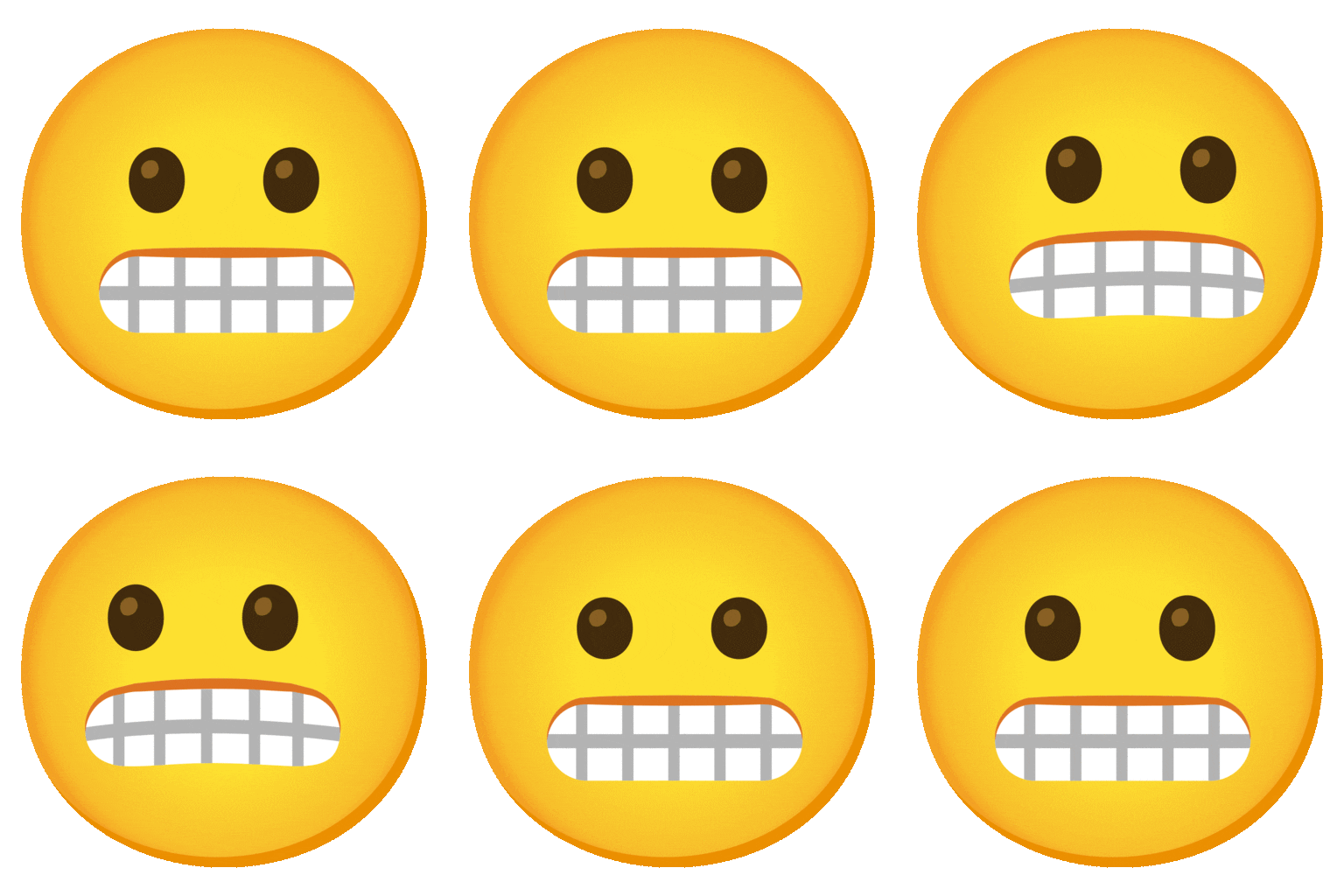 Noto Animated
Apache 2.0
Noto Animated
Apache 2.0



 Noto Animated
Apache 2.0
Noto Animated
Apache 2.0



 Noto Animated
Apache 2.0
Noto Animated
Apache 2.0

ℹ️ All images shown are from open-licensed sources (Apache 2.0, MIT, CC-BY 4.0, CC BY-SA 4.0) and are free to use.
Copy and share
Consider the age, relationship, and cultural background of the recipient before using emojis. What's appropriate for a friend might not be appropriate for a boss.
Emojis can appear differently on different platforms (Apple, Android, Windows, etc.). Test your messages to ensure they're displaying as intended. Some older devices may not support newer emojis.
Using too many emojis can make your messages seem cluttered and unprofessional. Use them sparingly and strategically to enhance your message, not distract from it.
Emojis can easily be misinterpreted. Choose emojis that accurately reflect the tone and content of your message. Avoid using emojis in serious or sensitive situations unless you're sure they'll be well-received.
Always review your messages before sending them to ensure that your emojis are conveying the intended meaning. A misplaced emoji can completely change the tone of your message.
This content was created with AI technology, enriched with Unicode Consortium data and community contributions. AI Disclosure →