Eid al-Adha, also known as the Festival of Sacrifice, is one of the most important holidays in the Islamic calendar. It commemorates the willingness of Ibrahim (Abraham) to sacrifice his son as an act of obedience to God. The holiday is marked by prayers, feasts, and acts of charity. Emojis can be used to convey greetings, share festive moments, and express the spirit of generosity and community that defines Eid al-Adha. When using emojis for Eid al-Adha, consider incorporating symbols of faith, family, and celebration. Think about using emojis that represent mosques, prayer beads, gifts, and festive foods. Be mindful of cultural sensitivities and use emojis respectfully. Remember that Eid al-Adha is a deeply religious holiday for many, so avoid using emojis in a way that could be considered disrespectful or trivializing. Using emojis thoughtfully can enhance your messages and help you share the joy and blessings of Eid al-Adha with friends and family.
16+Emoji
8Messages
5Tips
⚡
Quick Copy
Copy most popular emojis with one click
🕌
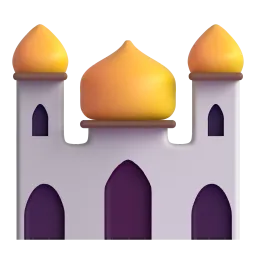
Mosque
🐑
Sheep
🌙
Crescent Moon
🤲
Palms Up Together
🎁
Wrapped Gift
👨👩👧👦
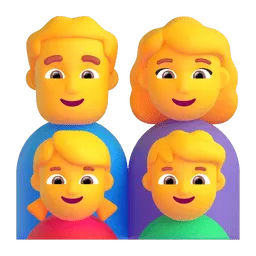
Family
🙏
Folded Hands
📿
Prayer Beads
🍖
Meat on Bone
🧪 Emoji Mashups (Emoji Kitchen)
Fun mashups created by combining Eid Al Adha emojis with Emoji Kitchen. Download and use them freely.
Help grow the Eid Al Adha collection! Suggest emojis or symbols you think are missing and contribute to the community.
💡 Missing an emoji/symbol?
📖
Meaning & Usage
🕌
Mosque
Represents a place of worship for Muslims. Use it to signify religious observance and community gatherings during Eid al-Adha. On some platforms, the design varies, but the meaning remains consistent.
🐑
Sheep
Symbolizes the animal sacrifice that is a central part of Eid al-Adha. It represents Ibrahim's willingness to sacrifice his son. The appearance varies across platforms like Apple, Google, and Samsung, but it's generally recognizable.
🌙
Crescent Moon
Represents Islam and the start of the Islamic month. Use it to signify the beginning of Eid al-Adha. The crescent moon is a universal symbol, but its style may differ slightly across platforms.
🤲
Palms Up Together
Represents prayer and supplication. Use it to express blessings and good wishes during Eid al-Adha. This emoji is often used in a religious context and has a consistent meaning across platforms.
🎁
Wrapped Gift
Represents the act of giving and sharing during Eid al-Adha. Use it to signify the exchange of gifts with family and friends. The gift emoji is universally understood, but the wrapping paper design varies.
🙏
Folded Hands
Represents prayer, gratitude, or respect. Use it to express thanks and blessings during Eid al-Adha. While often used for prayer, it can also convey general gratitude.
📿
Prayer Beads
Represents devotion and prayer. Use it to symbolize religious observance during Eid al-Adha. The color and style of the beads may vary across platforms, but the meaning is consistent.
📱
Platform Appearances
🕌 Mosque
Google NotoApache 2.0
Twitter/XCC-BY 4.0
Fluent 3DMIT
OpenMojiCC BY-SA 4.0
🐑 Sheep
Google NotoApache 2.0
Twitter/XCC-BY 4.0
Fluent 3DMIT
OpenMojiCC BY-SA 4.0
🌙 Crescent Moon
Google NotoApache 2.0
Twitter/XCC-BY 4.0
Fluent 3DMIT
OpenMojiCC BY-SA 4.0
🤲 Palms Up Together
Google NotoApache 2.0
Twitter/XCC-BY 4.0
Noto AnimatedApache 2.0
Fluent 3DMIT
OpenMojiCC BY-SA 4.0
🎁 Wrapped Gift
Google NotoApache 2.0
Noto AnimatedApache 2.0
Fluent 3DMIT
OpenMojiCC BY-SA 4.0
👨👩👧👦 Family
Google NotoApache 2.0
Twitter/XCC-BY 4.0
Fluent 3DMIT
OpenMojiCC BY-SA 4.0
ℹ️ All images shown are from open-licensed sources (Apache 2.0, MIT, CC-BY 4.0, CC BY-SA 4.0) and are free to use.
💬
Ready Messages
Copy and share
Eid Mubarak! May Allah bless you and your family. 🌙🕌🤲
Wishing you a blessed Eid al-Adha filled with joy and happiness! 🎉👨👩👧👦🎁
Eid Mubarak! May your sacrifices be accepted and your prayers answered. 🙏🐑
Sending you warm wishes on Eid al-Adha. Enjoy the festivities with your loved ones! 🍖👨👩👧👦
Happy Eid al-Adha! May Allah shower his blessings upon you. 🕌🤲
Eid Mubarak! May this Eid bring peace, prosperity, and happiness to your life. 🌙🎁
Wishing you and your family a very happy and blessed Eid al-Adha. 🙏👨👩👧👦
Eid Mubarak! May Allah accept our good deeds and forgive our sins. 🐑🕌
🎨
Related Emojis
☪️
Star and Crescent
🕋
Kaaba
👪
Family
🤝
Handshake
🍲
Pot of Food
🥩
Cut of Meat
🍬
Candy
💡
Usage Tips
🎯
Use Relevant Emojis
Choose emojis that accurately represent the themes of Eid al-Adha, such as religious symbols, family, and generosity. Avoid using irrelevant or potentially offensive emojis.
🎯
Be Mindful of Cultural Sensitivities
Remember that Eid al-Adha is a religious holiday. Use emojis respectfully and avoid trivializing the occasion. Consider the cultural context of your audience.
🎯
Combine Emojis for Clarity
Use multiple emojis to convey a more complete message. For example, combine the mosque emoji with the prayer emoji to express religious devotion.
🎯
Check Platform Compatibility
Be aware that emojis may appear differently on different platforms (Apple, Android, Windows, etc.). Test your messages to ensure they are displayed correctly for your recipients.
🎯
Use Emojis Sparingly
While emojis can enhance your messages, avoid overusing them. Too many emojis can make your message appear cluttered and unprofessional. Use them to complement your text, not replace it.
🔗
Similar Combinations
Discover more emoji combinations related to Eid Al Adha