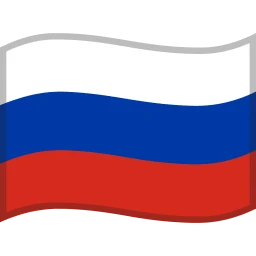

Flag: Russia
Represents Russia. Use it to talk about Russian culture, geography, or current events. Be mindful of the geopolitical context when using this emoji, especially given current events. Cross-platform appearance is generally consistent.
Eastern Europe is a diverse region with rich history, culture, and traditions. Representing this vast area with emojis requires careful consideration to avoid stereotypes and celebrate its unique aspects. This guide explores emojis that can be used to symbolize various facets of Eastern European countries, including landmarks, food, cultural symbols, and historical events. It's important to remember that Eastern Europe is not a monolith, and each country has its own distinct identity. When using these emojis, be mindful of the specific context and avoid generalizations. Consider using flag emojis to represent individual countries, and combine them with other relevant emojis to convey specific messages. For example, you could use the 🏰 emoji to represent castles found throughout the region, or the 💃 emoji to symbolize traditional dances. Food emojis like 🥟 (dumpling) can represent popular dishes found in many Eastern European countries. Remember to research and understand the specific cultural significance of each emoji before using it to avoid misrepresentation or offense. Using emojis thoughtfully can help bridge cultural gaps and promote understanding of this fascinating region.
Copy most popular emojis with one click
Fun mashups created by combining Eastern Europe emojis with Emoji Kitchen. Download and use them freely.
Help grow the Eastern Europe collection! Suggest emojis or symbols you think are missing and contribute to the community.
💡 Missing an emoji/symbol?
Represents Russia. Use it to talk about Russian culture, geography, or current events. Be mindful of the geopolitical context when using this emoji, especially given current events. Cross-platform appearance is generally consistent.
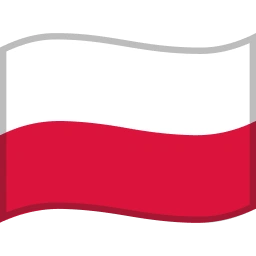
Represents Poland. Use it to talk about Polish culture, history, or travel. The flag's simple design ensures consistent rendering across platforms. It's commonly used in sports-related contexts when Poland is competing.
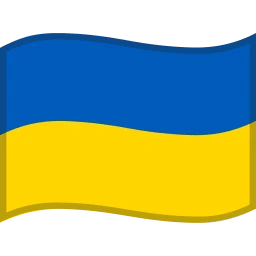
Represents Ukraine. Use it to show support for Ukraine, discuss Ukrainian culture, or share news related to the country. Due to the ongoing conflict, this emoji carries significant weight and should be used with sensitivity. Cross-platform appearance is generally uniform.
Represents castles, which are prominent historical landmarks in many Eastern European countries. Use it to talk about historical sites, tourism, or fairy tales. The castle emoji's design varies slightly across platforms, but it's generally recognizable.
Represents traditional dances found in Eastern Europe. Use it to talk about folk music, cultural performances, or celebrations. The appearance of the dancer varies across platforms, with some showing a specific style of dance.
Represents dumplings, a popular food in many Eastern European countries (pierogi, varenyky, etc.). Use it to talk about food, cooking, or restaurants. The dumpling emoji's filling and style can vary slightly across platforms, but it's generally recognizable as a dumpling.
ℹ️ All images shown are from open-licensed sources (Apache 2.0, MIT, CC-BY 4.0, CC BY-SA 4.0) and are free to use.
Copy and share
Be mindful of geopolitical sensitivities when using flag emojis, especially in the context of ongoing conflicts or historical tensions. Consider the audience and the potential for misinterpretation.
Combine flag emojis with other relevant emojis to convey specific messages. For example, use the flag of Poland with the dumpling emoji to talk about Polish cuisine.
Before using an emoji to represent a cultural element, research its specific meaning and significance to avoid misrepresentation or offense. Different cultures may interpret emojis differently.
Be aware that emoji appearances can vary across platforms. Test your messages on different devices to ensure that the emojis are displayed as intended.
Use emojis to show support for Eastern European countries and cultures. Share positive messages and celebrate the region's rich heritage.
This content was created with AI technology, enriched with Unicode Consortium data and community contributions. AI Disclosure →