Documents are an integral part of our lives, both professionally and personally. From official paperwork to creative writing, emojis can add context, emotion, and clarity to digital communications about documents. This guide explores the various emojis that represent documents, their meanings, and how to use them effectively in your messages. Whether you're discussing contracts, school assignments, or personal notes, understanding the nuances of these emojis can enhance your communication and prevent misunderstandings. Different platforms may render these emojis slightly differently, so it's always a good idea to consider your audience and the platform they're using when selecting the most appropriate emoji. For example, the 'Page Facing Up' emoji might appear with different colors or designs on Apple, Google, Samsung, or Microsoft devices. Similarly, the 'Spiral Notepad' emoji can vary in the number of rings or the color of the cover. Being aware of these variations ensures that your message is received as intended. Using document-related emojis can also inject a bit of personality into otherwise dry or formal communications. A simple 'memo' emoji can lighten the tone of a reminder, while a 'contract' emoji can add emphasis to an important agreement. By mastering the art of emoji usage, you can make your digital interactions more engaging and effective.
Help grow the Document collection! Suggest emojis or symbols you think are missing and contribute to the community.
💡 Missing an emoji/symbol?
📖
Meaning & Usage
📄
Page Facing Up
Represents a single sheet of paper, often used to indicate a document, report, or article. It can also symbolize news or general information. On some platforms, it appears with lines indicating text.
📝
Memo
Depicts a notepad with a pencil, often used to represent notes, memos, or reminders. It can also symbolize writing, journaling, or taking minutes at a meeting. The style and color of the notepad and pencil vary across platforms.
📑
Bookmark Tabs
Represents a document with bookmark tabs, often used to indicate a well-organized or important document. It can also symbolize research, reference materials, or a detailed report. The number and color of the tabs vary across platforms.
🗂️
Card Index Dividers
Represents card index dividers, often used to symbolize organization, categorization, or filing. It can also indicate a database, directory, or a collection of information. The color and design of the dividers vary across platforms.
📁
File Folder
Represents a closed file folder, often used to symbolize a digital or physical file. It can also indicate a directory, project, or collection of documents. The color of the folder is typically yellow or blue.
📂
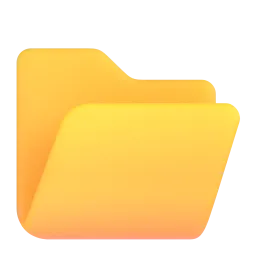
Open File Folder
Represents an open file folder, often used to symbolize access to files or documents. It can also indicate a project in progress or a collection of information being reviewed. The color of the folder is typically yellow or blue.
📃
Page with Curl
Represents a single page with a curled corner, often used to indicate a document, certificate, or diploma. It can also symbolize announcements or official notices. The curl adds a touch of formality or importance.
📱
Platform Appearances
📄 Page Facing Up
Google NotoApache 2.0
Twitter/XCC-BY 4.0
Fluent 3DMIT
OpenMojiCC BY-SA 4.0
📝 Memo
Google NotoApache 2.0
Twitter/XCC-BY 4.0
Fluent 3DMIT
OpenMojiCC BY-SA 4.0
📑 Bookmark Tabs
Google NotoApache 2.0
Twitter/XCC-BY 4.0
Fluent 3DMIT
OpenMojiCC BY-SA 4.0
🗂️ Card Index Dividers
Google NotoApache 2.0
Twitter/XCC-BY 4.0
📁 File Folder
Google NotoApache 2.0
Twitter/XCC-BY 4.0
Fluent 3DMIT
OpenMojiCC BY-SA 4.0
📂 Open File Folder
Google NotoApache 2.0
Twitter/XCC-BY 4.0
Fluent 3DMIT
OpenMojiCC BY-SA 4.0
ℹ️ All images shown are from open-licensed sources (Apache 2.0, MIT, CC-BY 4.0, CC BY-SA 4.0) and are free to use.
💬
Ready Messages
Copy and share
Just finished drafting the report! 📄 Let me know what you think.
Don't forget to take notes during the meeting! 📝
Here's the contract for your review. 📑 Please sign and return it by Friday.
Organizing all the project files. 🗂️ It's going to take a while!
I've created a new folder for the client's documents. 📁
Please find the updated proposal in the shared folder. 📂
Received my diploma in the mail today! 📃 So excited!
Meeting scheduled for next week! 📅 Please confirm your availability.
🎨
Related Emojis
💼
Briefcase
💻
Laptop
🖋️
Pen
📊
Chart Increasing
📈
Chart Increasing with Yen
📚
Books
📐
Triangular Ruler
📎
Paperclip
💡
Usage Tips
🎯
Context is Key
Choose emojis that accurately reflect the type of document you're discussing. A 'Memo' emoji is suitable for informal notes, while 'Page with Curl' might be better for official documents.
🎯
Platform Variations
Be aware that emojis can look different across platforms (Apple, Google, Samsung, etc.). Test your messages to ensure they appear as intended on the recipient's device.
🎯
Combine Emojis
Use multiple emojis to add emphasis or provide more detail. For example, 'Contract + Pen' can highlight the need for a signature.
🎯
Avoid Overuse
While emojis can enhance communication, avoid using too many in formal or professional contexts. Keep it concise and relevant.
🎯
Accessibility
Consider users with visual impairments. Use alt text or descriptions when possible to explain the meaning of emojis.
🔗
Similar Combinations
Discover more emoji combinations related to Document