😒
Unamused Face
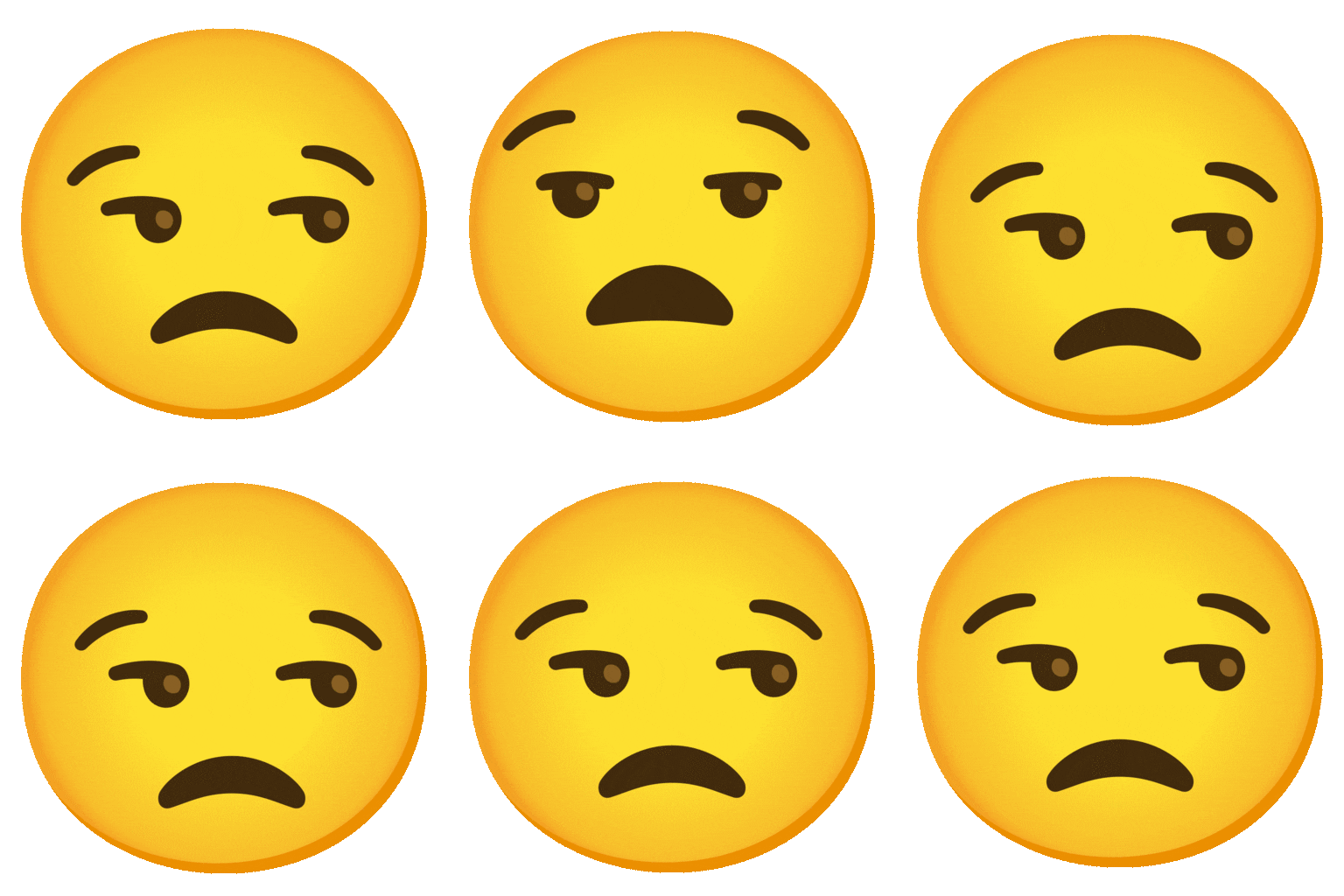
Represents mild dissatisfaction, skepticism, or boredom. It's often used when someone is unimpressed or finds something annoying. On some platforms, it may appear more sarcastic than others.
Expressing disapproval through emojis can range from subtle hints of disappointment to outright expressions of anger or disgust. The key is understanding the nuances of each emoji and how it can be interpreted in different contexts. A simple 😒 (Unamused Face) can convey mild dissatisfaction, while 😠 (Angry Face) or 😡 (Enraged Face) clearly indicate strong disapproval. The 👎 (Thumbs Down) is a universal sign of disagreement or rejection. Choosing the right emoji depends on the severity of your disapproval and your relationship with the recipient. Consider your audience and the overall tone of the conversation before selecting an emoji to avoid misunderstandings or escalating conflicts. Beyond the standard facial expressions and gestures, other emojis can be used creatively to express disapproval. For instance, 🙅 (Person Gesturing No) can indicate a refusal or rejection of an idea. The 🤮 (Face Vomiting) emoji is a strong expression of disgust. Even seemingly innocuous emojis like 🙄 (Face with Rolling Eyes) can convey sarcasm and disapproval. When using emojis to express disapproval, it's often helpful to combine them with text to provide context and clarity. A simple sentence like "I'm not a fan of this idea 😒" can be more effective than just sending the unamused face alone. Remember that emojis are a visual language, and their meaning can be subjective, so always consider the potential for misinterpretation.
Copy most popular emojis with one click
Fun mashups created by combining Disapproval emojis with Emoji Kitchen. Download and use them freely.


Help grow the Disapproval collection! Suggest emojis or symbols you think are missing and contribute to the community.
💡 Missing an emoji/symbol?
Represents mild dissatisfaction, skepticism, or boredom. It's often used when someone is unimpressed or finds something annoying. On some platforms, it may appear more sarcastic than others.
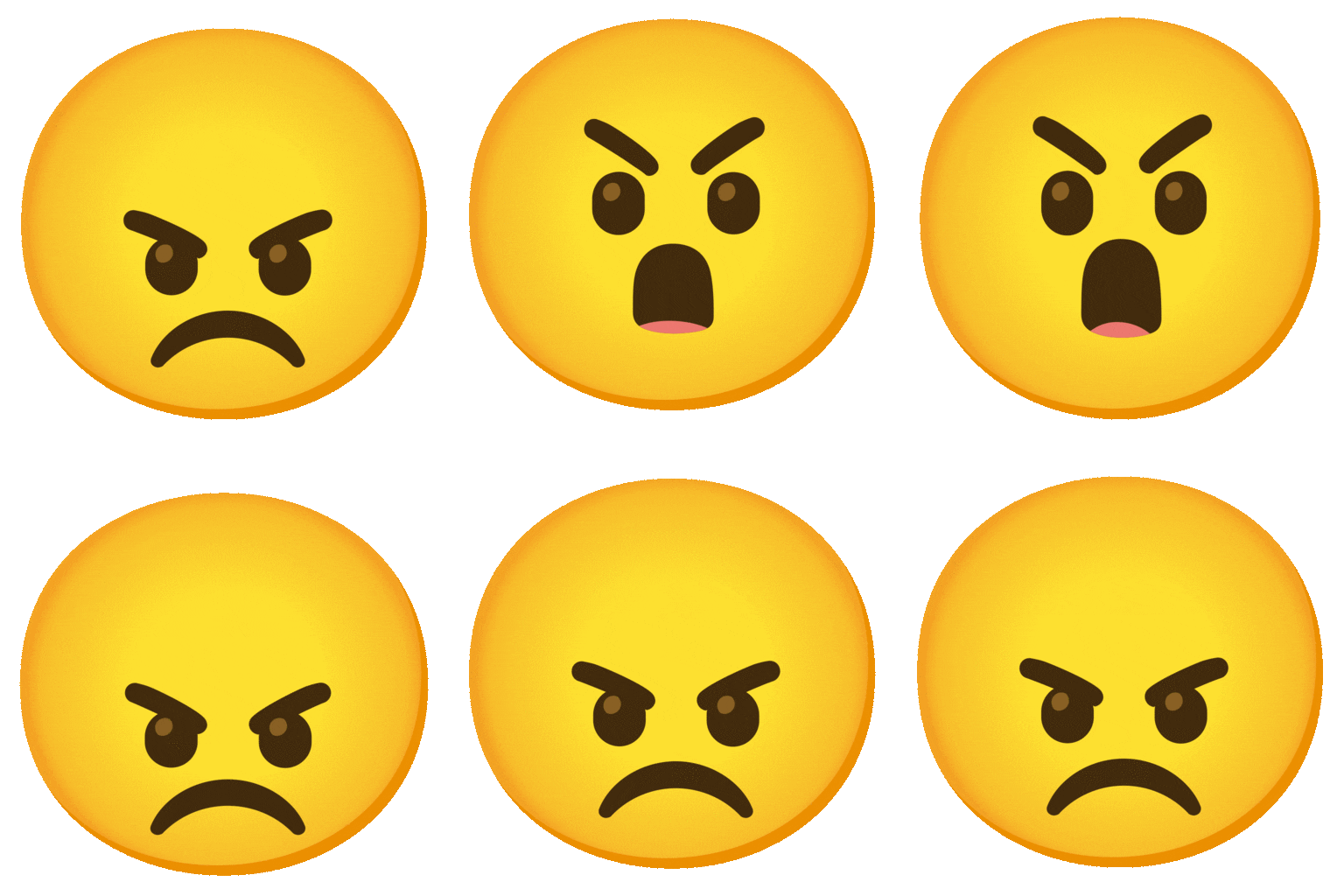
Indicates anger, frustration, or annoyance. It's a more intense expression of disapproval than the unamused face. The specific appearance varies across platforms, with some showing more furrowed brows or a redder face.
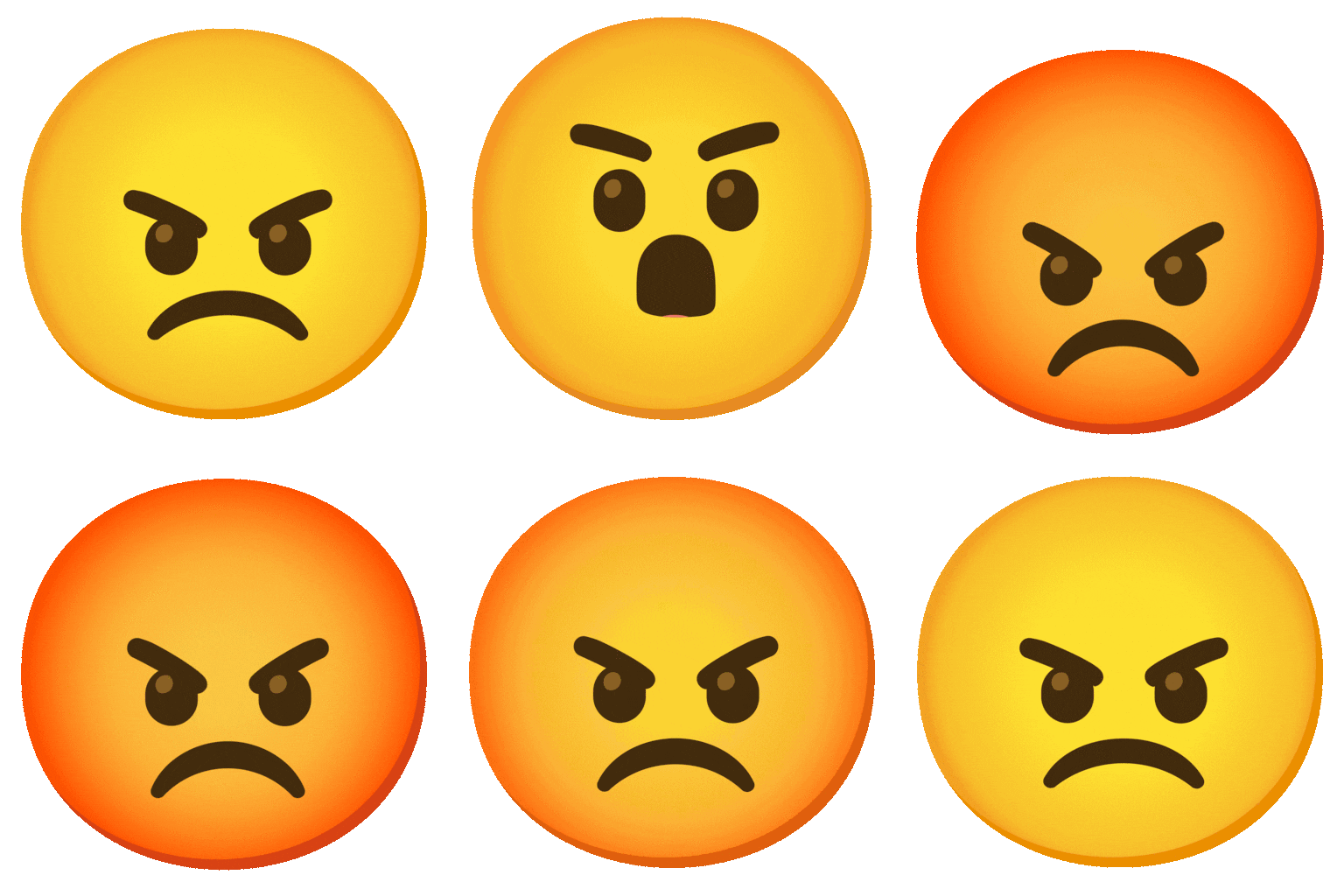
Represents extreme anger, rage, or fury. This emoji is used when someone is very upset or furious about something. The intensity of the red color and the expression can differ slightly between Apple, Google, and Samsung.
A universal sign of disapproval, disagreement, or rejection. It's a straightforward way to indicate that you don't like something. Skin tone modifiers are available for this emoji.
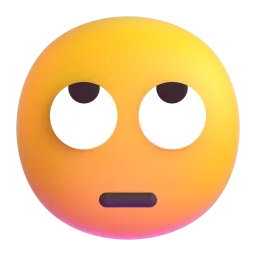
Conveys sarcasm, disbelief, or annoyance. It suggests that someone finds something ridiculous or unbelievable. The eye-rolling motion is consistent across platforms, but the facial expression can vary.
Indicates refusal, denial, or disagreement. It can also be used to express a boundary or to say "no" to something. Gender variations (🙅♀️, 🙅♂️) and skin tone modifiers are available.


 Noto Animated
Apache 2.0
Noto Animated
Apache 2.0


 Noto Animated
Apache 2.0
Noto Animated
Apache 2.0


 Noto Animated
Apache 2.0
Noto Animated
Apache 2.0


 Noto Animated
Apache 2.0
Noto Animated
Apache 2.0




 Noto Animated
Apache 2.0
Noto Animated
Apache 2.0

ℹ️ All images shown are from open-licensed sources (Apache 2.0, MIT, CC-BY 4.0, CC BY-SA 4.0) and are free to use.
Copy and share
Think about who you're sending the emoji to. A strong emoji like 😡 might be appropriate for a close friend but not for a coworker.
Emojis can be ambiguous. Combine them with text to ensure your message is understood as intended. For example, "I disagree 👎. Let's discuss alternatives."
Emojis can look different across platforms (Apple, Google, Samsung, Microsoft, WhatsApp). Test how your chosen emoji appears on different devices to avoid unintended interpretations.
Using too many negative emojis can make you seem overly negative or aggressive. Use them sparingly and strategically.
While many emojis are universally understood, some may have different meanings in different cultures. Be aware of potential cultural differences to avoid misunderstandings.
This content was created with AI technology, enriched with Unicode Consortium data and community contributions. AI Disclosure →