🤥
Lying Face
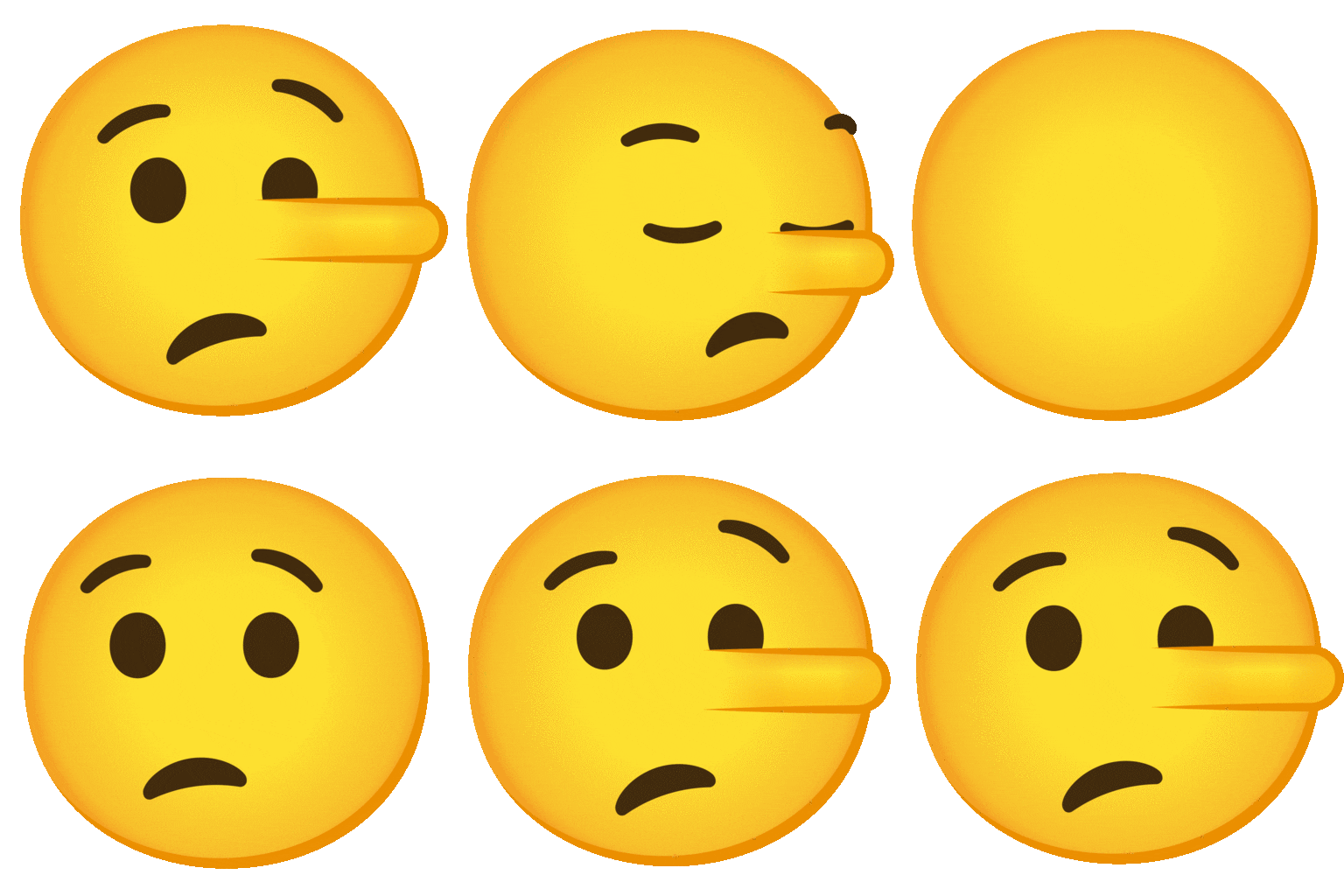
Represents lying, dishonesty, or telling a fib. The long nose is inspired by the story of Pinocchio. On some platforms, the nose is more prominent than others.
Deception is a complex concept encompassing lies, trickery, and misleading actions. When communicating about deception using emojis, it's important to choose symbols that effectively convey the intended meaning without being overly aggressive or accusatory. Emojis can add nuance and humor to discussions about dishonesty, secrets, and hidden agendas. However, cultural context plays a crucial role, as some emojis may be interpreted differently across various platforms and regions. For example, a seemingly innocent winking face could be seen as playful or suggestive, depending on the recipient and the situation. It's essential to consider your audience and the overall tone of your message when using emojis to represent deception. Emojis related to deception can range from subtle hints of secrecy to more overt symbols of dishonesty. The key is to use them thoughtfully and avoid misinterpretations. Consider pairing emojis with clear and concise text to ensure your message is understood as intended. When discussing serious matters of deception, it's generally best to avoid using emojis altogether, as they can trivialize the situation. However, in lighthearted contexts, emojis can be a valuable tool for expressing skepticism, suspicion, or even playful trickery. Remember to be mindful of the potential impact of your emoji choices and strive for clarity and accuracy in your communication. The use of emojis in conveying deception is a delicate balance, requiring careful consideration of context, audience, and cultural nuances.
Copy most popular emojis with one click
Fun mashups created by combining Deception emojis with Emoji Kitchen. Download and use them freely.


Help grow the Deception collection! Suggest emojis or symbols you think are missing and contribute to the community.
💡 Missing an emoji/symbol?
Represents lying, dishonesty, or telling a fib. The long nose is inspired by the story of Pinocchio. On some platforms, the nose is more prominent than others.
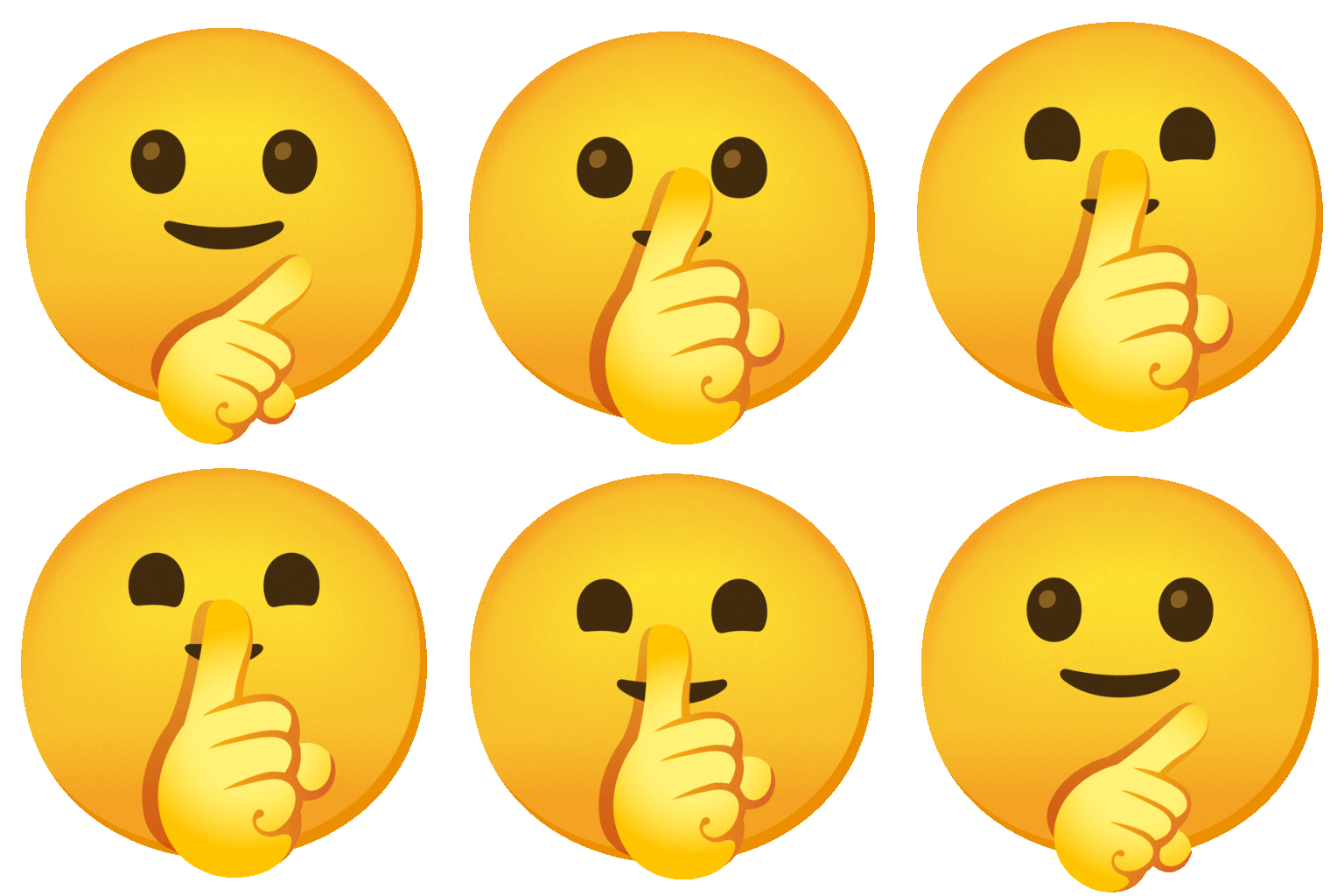
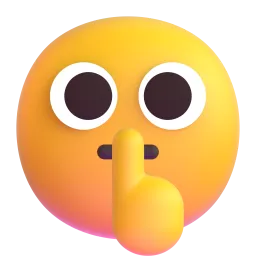
Indicates secrecy, keeping a secret, or asking someone to be quiet. Can also imply a hidden agenda or something not being revealed. Differs slightly in expression across platforms.
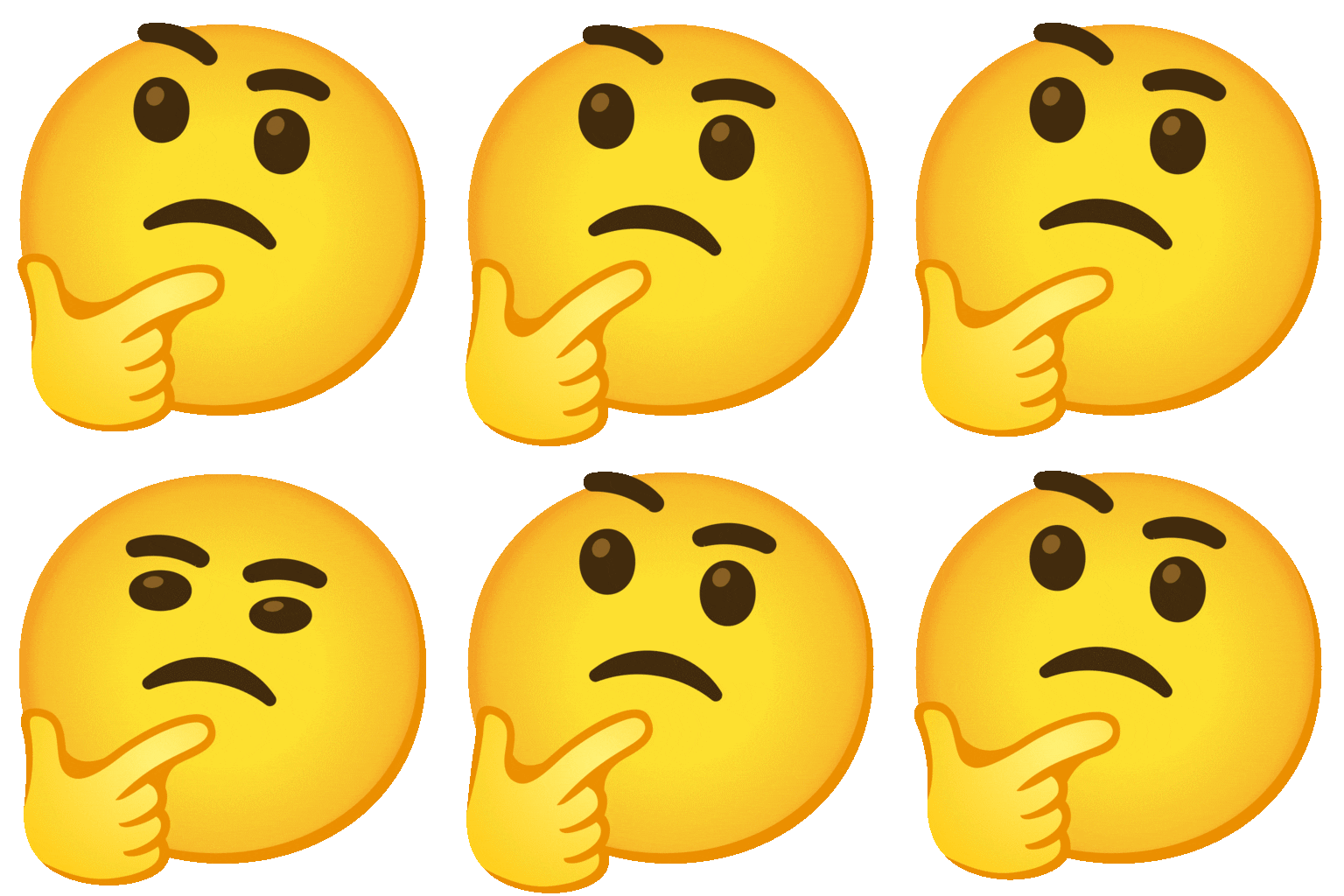
Expresses contemplation, skepticism, or pondering something. Can be used to show doubt about someone's statement or actions. The hand placement varies slightly between Apple, Google, and Samsung.
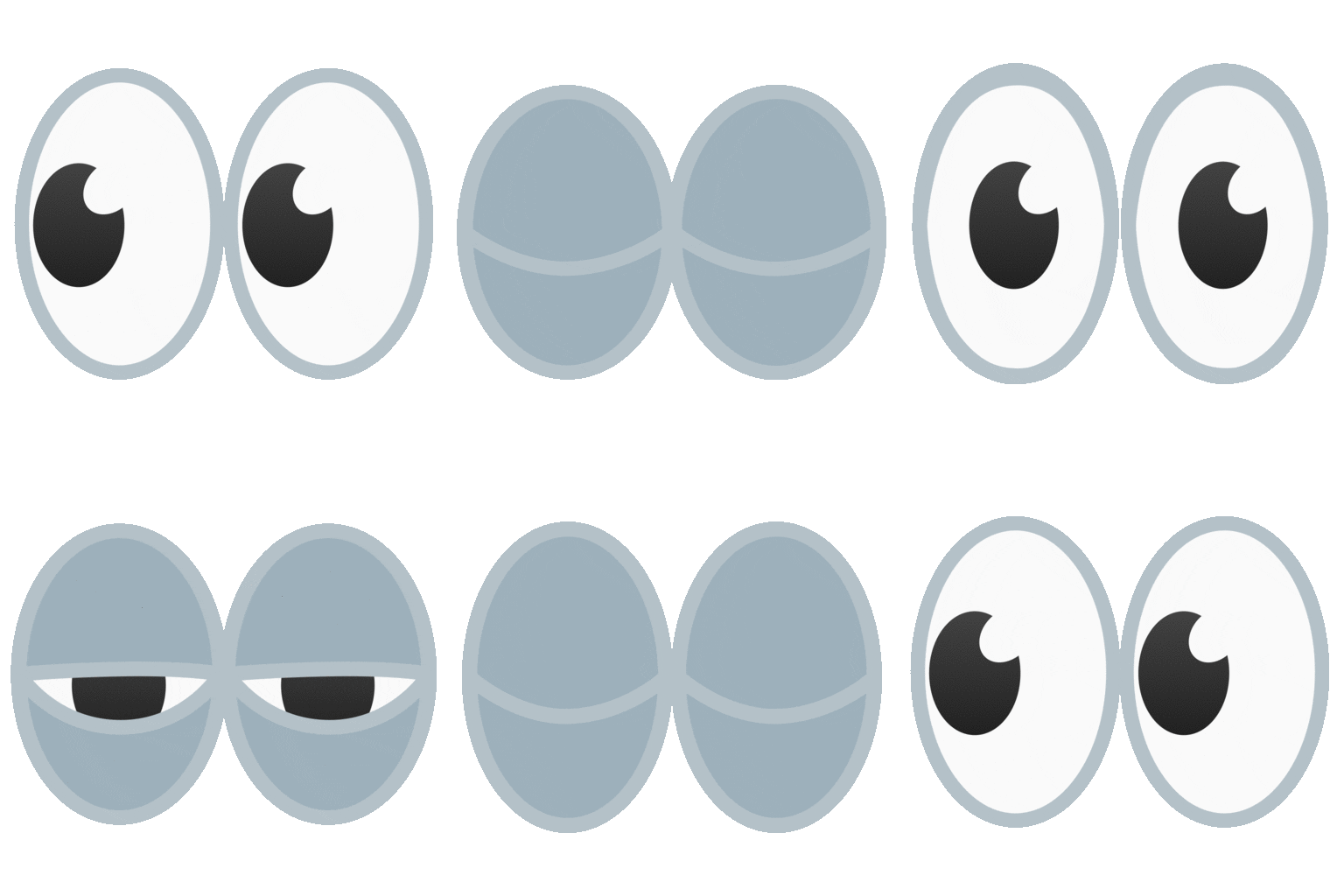
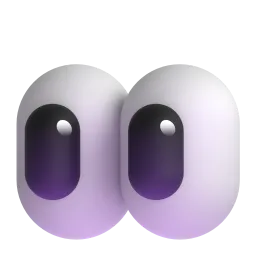
Implies watching, observing, or being aware of something. Can suggest suspicion or that someone is being monitored. Often used to indicate 'side-eye' or judging someone.
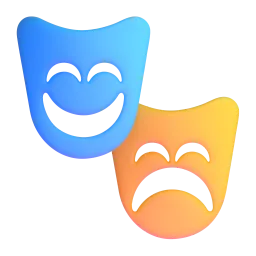
Represents acting, drama, or putting on a facade. Can symbolize hiding one's true self or playing a role. The design is generally consistent across platforms.
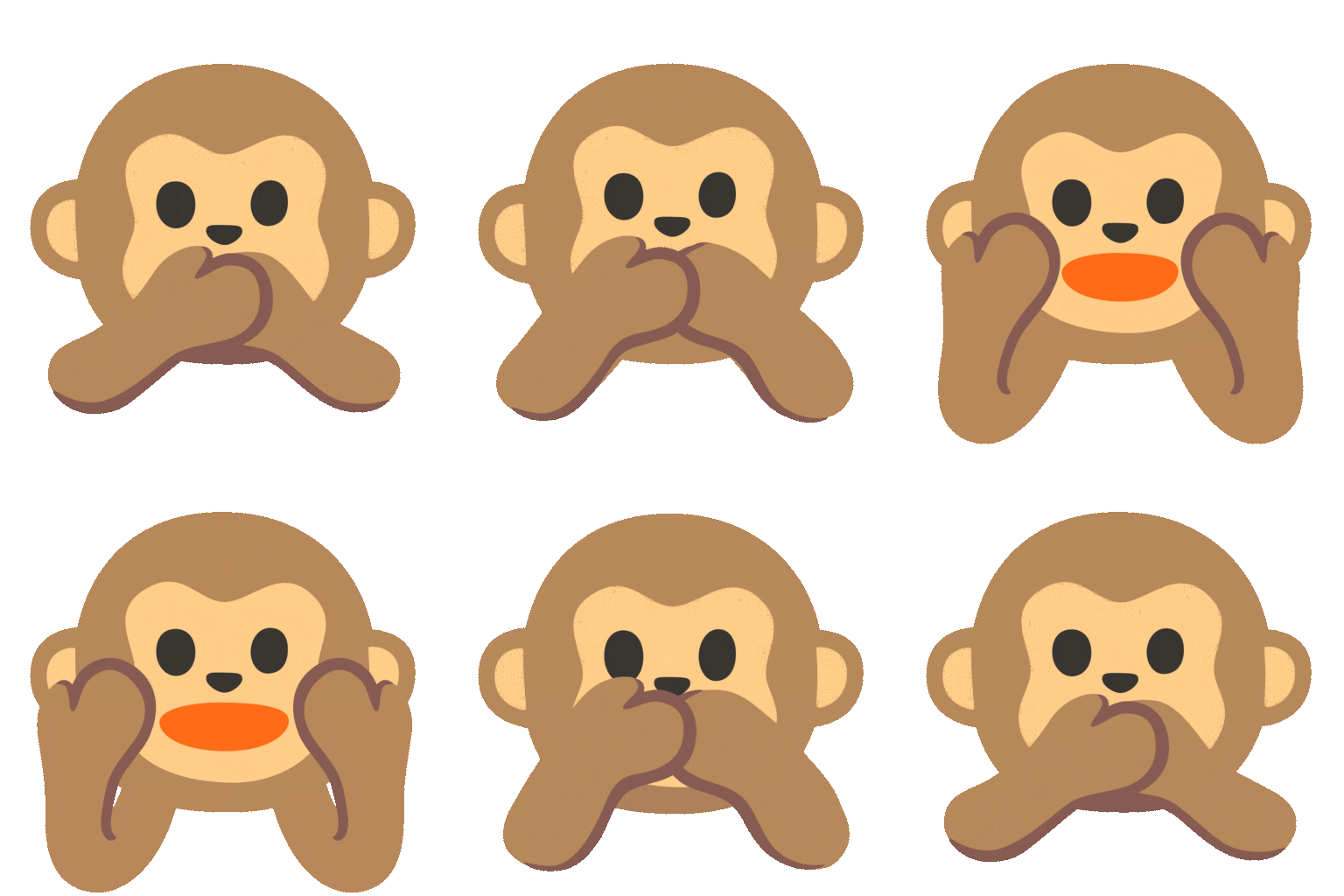
Represents not wanting to see something, ignoring something, or being complicit in something wrong. Can indicate turning a blind eye to deception. The monkey's expression varies slightly.
Indicates mischievousness, devilish behavior, or a playful intention to deceive. Can suggest someone is up to no good. The horns are consistently depicted across platforms.


 Noto Animated
Apache 2.0
Noto Animated
Apache 2.0



 Noto Animated
Apache 2.0
Noto Animated
Apache 2.0


 Noto Animated
Apache 2.0
Noto Animated
Apache 2.0



 Noto Animated
Apache 2.0
Noto Animated
Apache 2.0


 Noto Animated
Apache 2.0
Noto Animated
Apache 2.0


 Noto Animated
Apache 2.0
Noto Animated
Apache 2.0


ℹ️ All images shown are from open-licensed sources (Apache 2.0, MIT, CC-BY 4.0, CC BY-SA 4.0) and are free to use.
Copy and share
Consider the context of your message before using deception-related emojis. They can be easily misinterpreted.
Be aware that emojis can look different across platforms (Apple, Google, Samsung, etc.). Test your messages to ensure they appear as intended.
Using too many deception emojis can make you seem overly suspicious or accusatory. Use them sparingly.
Always pair emojis with clear text to avoid ambiguity. Explain your meaning to prevent misunderstandings.
Think about your audience and their understanding of emojis. Some people may not be familiar with certain symbols or their nuances.
This content was created with AI technology, enriched with Unicode Consortium data and community contributions. AI Disclosure →