🧏
Deaf Person
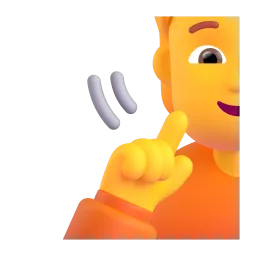
Represents a person who is deaf or hard of hearing. This emoji is part of the people category and is intended to promote inclusivity.
Communicating about deafness and the deaf community using emojis requires sensitivity and awareness. While there isn't a single emoji that directly represents 'deaf person,' we can use a combination of emojis to convey the concept, discuss sign language, or express support for deaf individuals. It's important to remember that the deaf community is diverse, and individuals have different preferences for how they are represented. Using emojis related to hearing aids, sign language, and accessibility can be helpful. Always be respectful and mindful of the context when using these emojis. Consider the specific message you're trying to convey and choose emojis that accurately and respectfully represent the situation. Avoid using emojis that could be interpreted as mocking or trivializing deafness. Emojis related to hands, such as clapping hands or folded hands, can be used to represent sign language in a general sense. Emojis depicting ears or hearing can be used to discuss hearing loss or hearing aids. The accessibility symbol emoji is also useful for indicating that something is accessible to deaf individuals. When in doubt, it's always best to ask a deaf person how they prefer to be represented. Remember that clear and direct communication is key, and emojis can be a helpful tool for enhancing understanding and inclusivity. Using emojis thoughtfully can contribute to a more inclusive and accessible online environment for everyone.
Copy most popular emojis with one click
Fun mashups created by combining Deaf Person emojis with Emoji Kitchen. Download and use them freely.

Help grow the Deaf Person collection! Suggest emojis or symbols you think are missing and contribute to the community.
💡 Missing an emoji/symbol?
Represents a person who is deaf or hard of hearing. This emoji is part of the people category and is intended to promote inclusivity.
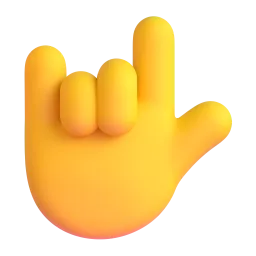
Often used to represent the 'I love you' sign in American Sign Language (ASL). It can also be used to express general affection or support.
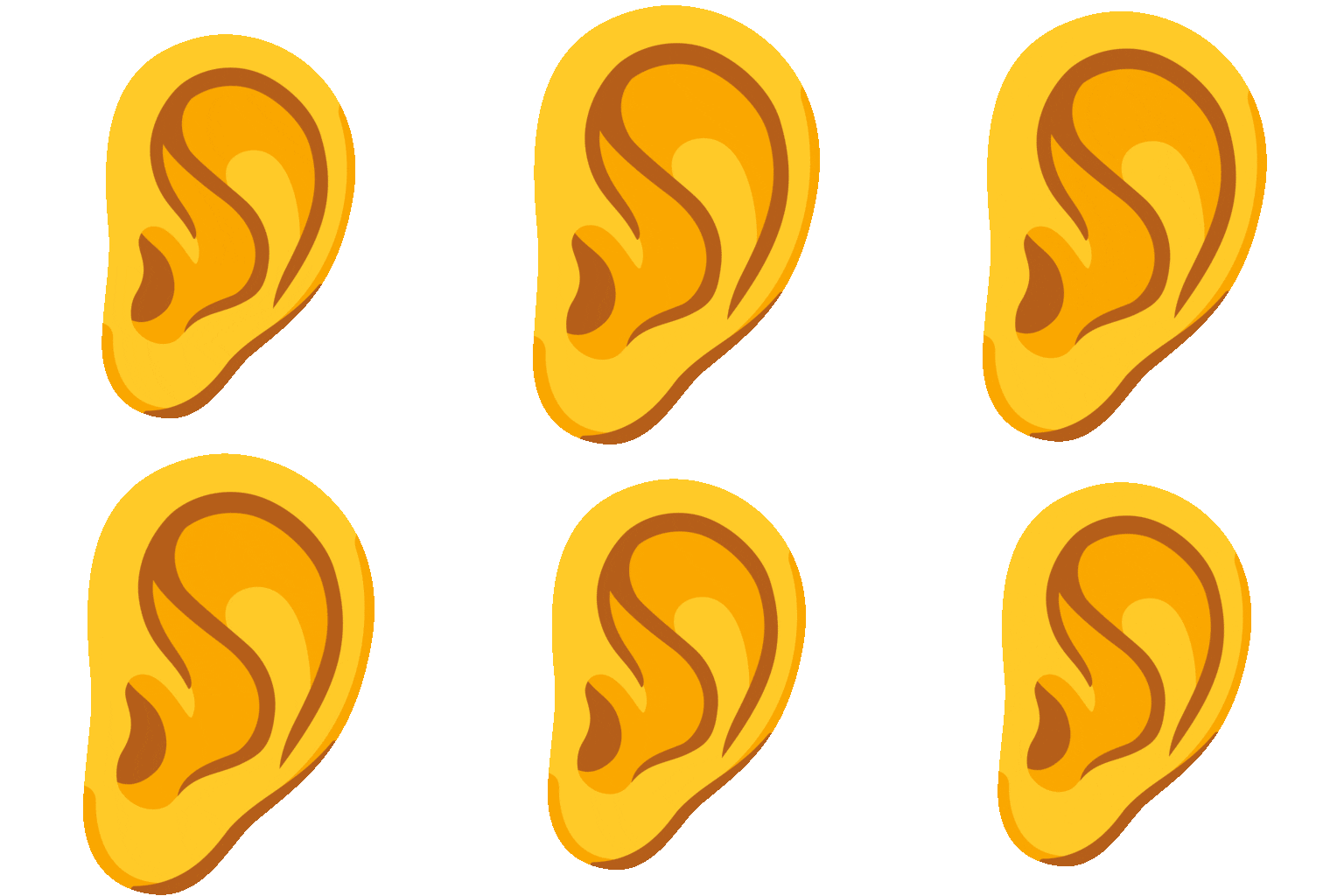
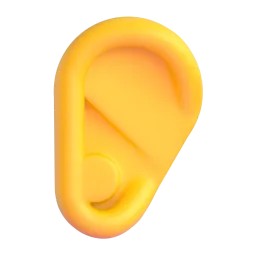
Represents the ear and can be used in the context of hearing, listening, or hearing loss. It can also be paired with other emojis to discuss hearing aids.
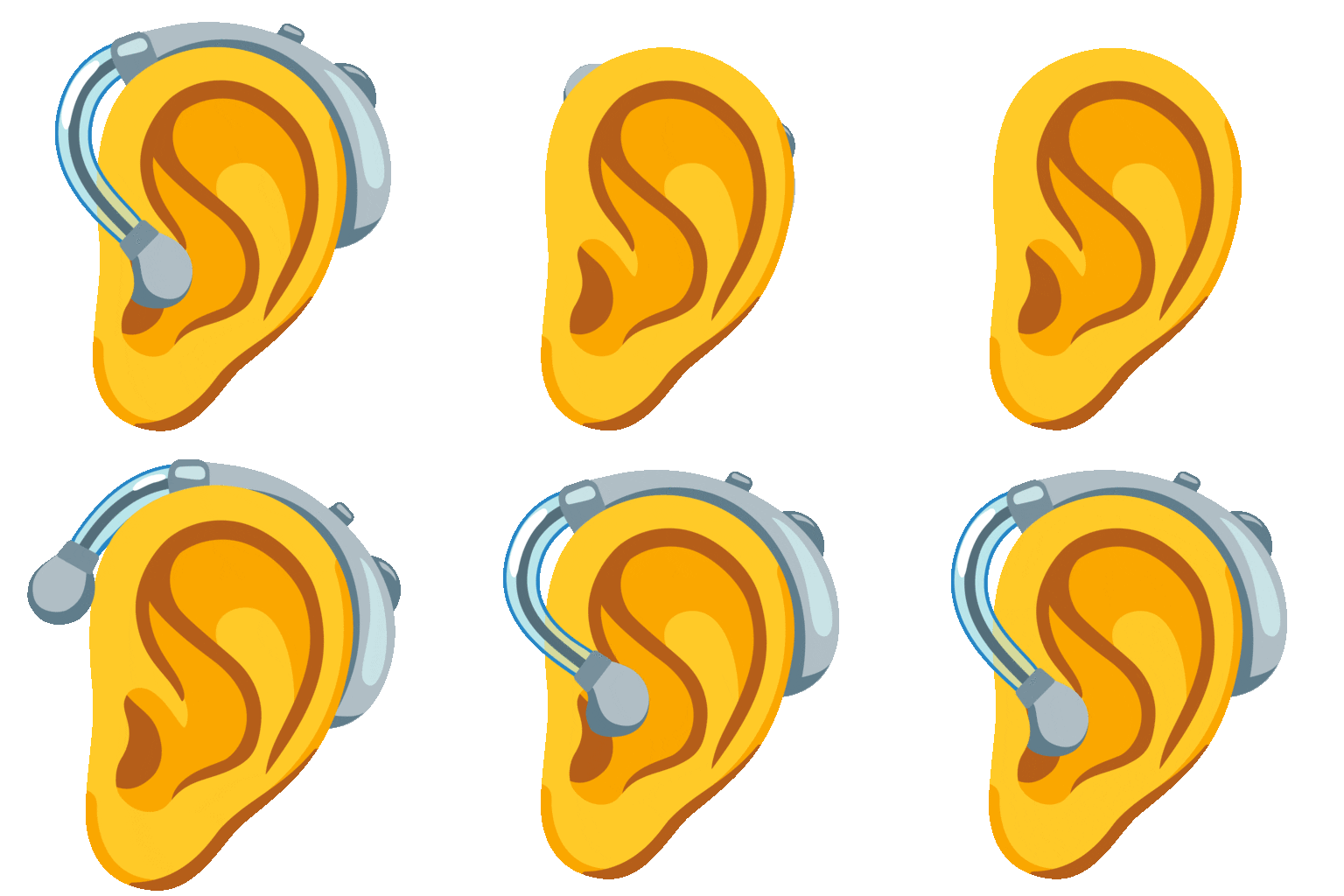
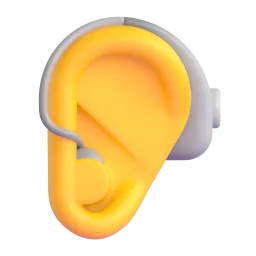
Specifically represents an ear with a hearing aid, indicating assistance with hearing. This emoji is a direct representation of hearing aids.
Can symbolize communication and connection, important aspects of interacting with the deaf community. It represents agreement, partnership, and mutual respect.
Represents someone speaking or communicating. Can be used to indicate the need for clear communication or captioning.
While primarily representing physical accessibility, it can also be used in a broader context of inclusivity and accessibility for all, including deaf individuals.




 Noto Animated
Apache 2.0
Noto Animated
Apache 2.0


 Noto Animated
Apache 2.0
Noto Animated
Apache 2.0


 Noto Animated
Apache 2.0
Noto Animated
Apache 2.0


 Noto Animated
Apache 2.0
Noto Animated
Apache 2.0


 Noto Animated
Apache 2.0
Noto Animated
Apache 2.0

ℹ️ All images shown are from open-licensed sources (Apache 2.0, MIT, CC-BY 4.0, CC BY-SA 4.0) and are free to use.
Copy and share
Be mindful of the language you use and avoid terms that may be offensive or outdated. Focus on person-first language (e.g., 'a deaf person' rather than 'a deaf').
Consider the context of your message and choose emojis that accurately and respectfully represent the situation. Avoid using emojis that could be misinterpreted.
Use the accessibility symbol emoji (♿) to indicate that something is accessible to deaf individuals. Advocate for captions and transcripts.
Even knowing a few basic signs can go a long way in building connections and showing respect. Use the 'Love-You Gesture' (🤟) appropriately.
Communication may take more time and effort. Be patient and understanding, and be open to different communication styles.
This content was created with AI technology, enriched with Unicode Consortium data and community contributions. AI Disclosure →