📊
Bar Chart Emoji
Represents data visualization and comparison. Use it to show progress, trends, or statistical information. On some platforms, the bars may be different colors.
Data analytics is the process of examining raw data to draw conclusions about that information. It involves applying algorithmic or mechanical processes to derive insights. Emojis can be used to visually represent different aspects of data analytics, making communication more engaging and easier to understand. From charts and graphs to computers and magnifying glasses, emojis can help illustrate the various stages of the data analysis process, including data collection, cleaning, analysis, and visualization. Using emojis can also help to convey the emotional impact of data findings, such as excitement for positive results or concern for negative trends. In professional settings, emojis can add a touch of personality to presentations and reports, making them more accessible to a wider audience. However, it's important to use emojis judiciously and ensure they align with the overall tone and context of the communication. Overuse or inappropriate emoji selection can detract from the message and undermine credibility. Consider your audience and the purpose of your communication when deciding which emojis to incorporate into your data analytics-related content. Whether you're sharing insights on social media, collaborating with colleagues, or presenting findings to stakeholders, emojis can be a valuable tool for enhancing communication and engagement in the field of data analytics.
Copy most popular emojis with one click
Fun mashups created by combining Data Analytics emojis with Emoji Kitchen. Download and use them freely.


Help grow the Data Analytics collection! Suggest emojis or symbols you think are missing and contribute to the community.
💡 Missing an emoji/symbol?
Represents data visualization and comparison. Use it to show progress, trends, or statistical information. On some platforms, the bars may be different colors.
Signifies positive growth, upward trends, and improvements. Often used to illustrate successful outcomes or positive performance in data analysis. The design varies across platforms, but the upward trend is consistent.
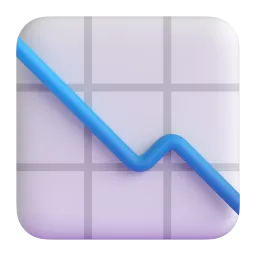
Represents negative trends, declines, and setbacks. Use it to indicate areas needing improvement or negative performance in data analysis. The visual representation is a chart sloping downwards.
Symbolizes investigation, research, and detailed examination. Use it to represent the process of analyzing data to uncover insights. It is universally recognized as a symbol for searching and exploring.
Represents technology, computing, and data processing. Use it to symbolize the tools and equipment used in data analytics. The appearance varies slightly across platforms, showing different laptop models.
Represents ideas, insights, and discoveries. Use it to symbolize the 'aha' moment when analyzing data and finding valuable information. It's a universal symbol for inspiration.


 Noto Animated
Apache 2.0
Noto Animated
Apache 2.0



 Noto Animated
Apache 2.0
Noto Animated
Apache 2.0



 Noto Animated
Apache 2.0
Noto Animated
Apache 2.0





 Noto Animated
Apache 2.0
Noto Animated
Apache 2.0




ℹ️ All images shown are from open-licensed sources (Apache 2.0, MIT, CC-BY 4.0, CC BY-SA 4.0) and are free to use.
Copy and share
Choose emojis that are relevant to the specific data being analyzed and the message you're trying to convey. Avoid using emojis that are ambiguous or could be misinterpreted.
Be aware that emojis can appear differently across different platforms (Apple, Android, Windows, etc.). Test your messages on multiple devices to ensure the emojis are displaying as intended.
Use emojis sparingly in formal reports and presentations. Overuse can make your communication appear unprofessional. Consider your audience and the overall tone of your message.
Keep in mind that some users may have difficulty seeing or interpreting emojis. Provide alternative text descriptions for emojis to ensure your message is accessible to everyone.
Emojis are most effective when used in conjunction with text. Use them to enhance your message, not replace it. Clear and concise language is still essential for effective communication.
This content was created with AI technology, enriched with Unicode Consortium data and community contributions. AI Disclosure →