Car
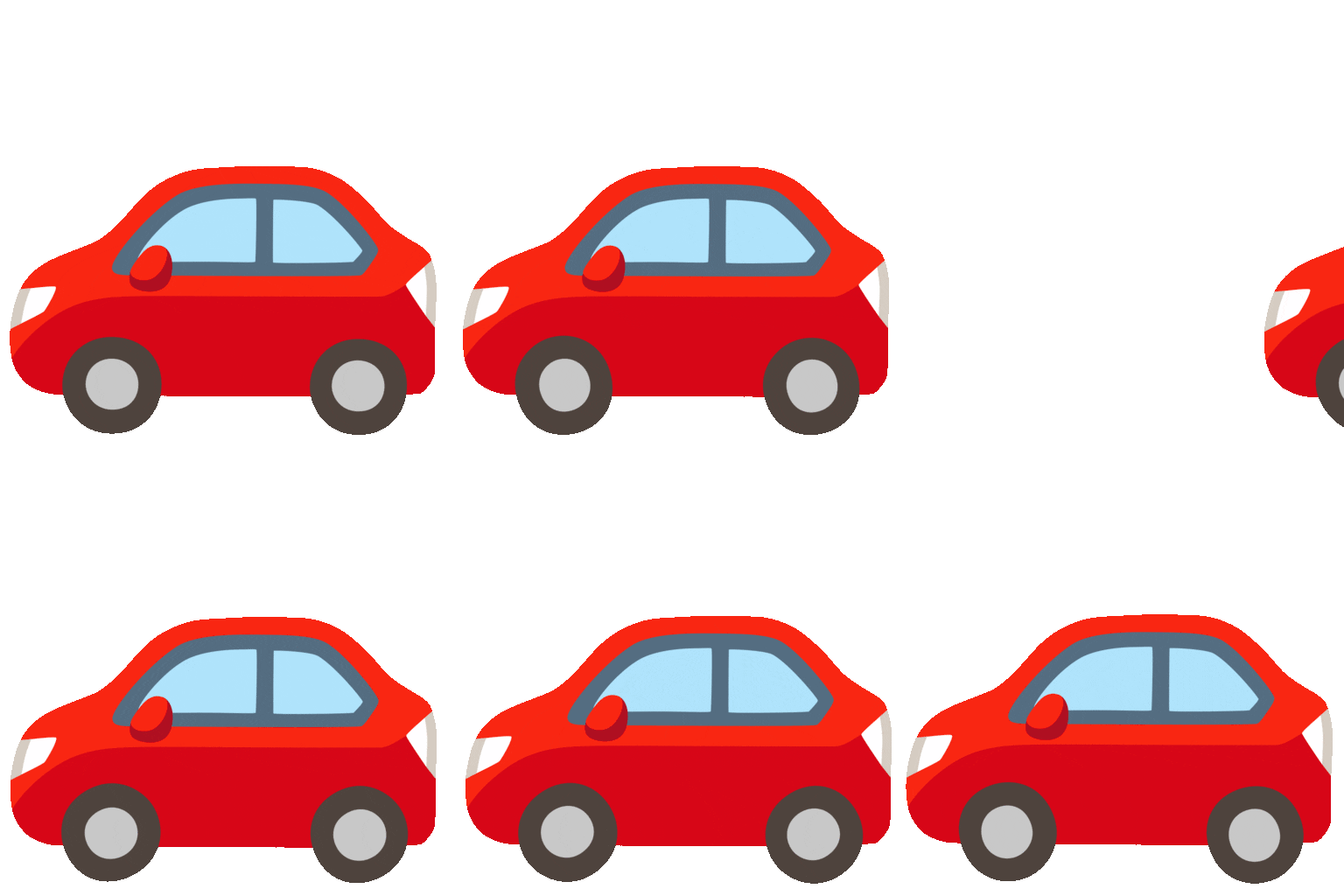
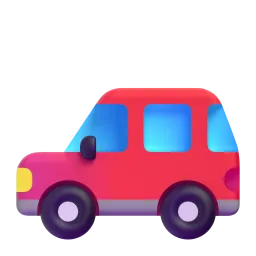
Represents driving to work, road trips, or general transportation. Can be used to indicate being stuck in traffic or enjoying a scenic drive. On some platforms, the car faces left, while on others it faces right.
Navigating the daily grind of commuting can be an experience filled with a range of emotions and scenarios. From the early morning rush to the crowded train or bus, and the eventual arrival at your destination, emojis can help express the nuances of this shared experience. This guide explores the best emojis to use when talking about commuting, whether you're venting about delays, celebrating a smooth ride, or simply sharing your daily routine. We'll delve into the meanings of these emojis, provide examples of how to use them in messages, and offer tips for effectively communicating your commuter experiences. Understanding the subtle differences in how these emojis appear across various platforms can also enhance your communication, ensuring your message is received as intended. So, buckle up and get ready to decode the language of commuter emojis!
Copy most popular emojis with one click
Fun mashups created by combining Commuter emojis with Emoji Kitchen. Download and use them freely.
Help grow the Commuter collection! Suggest emojis or symbols you think are missing and contribute to the community.
💡 Missing an emoji/symbol?
Represents driving to work, road trips, or general transportation. Can be used to indicate being stuck in traffic or enjoying a scenic drive. On some platforms, the car faces left, while on others it faces right.
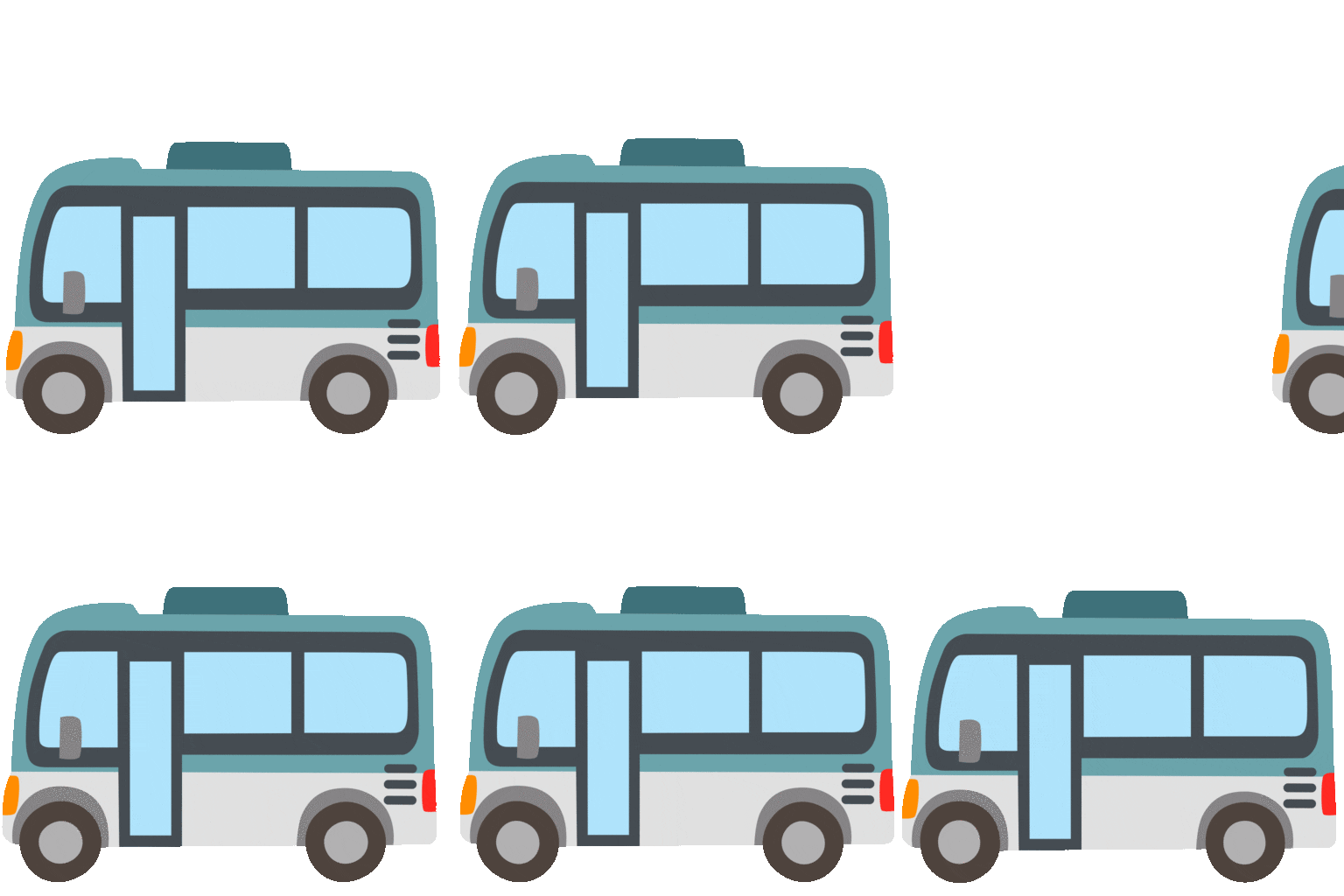
Indicates taking public transportation, specifically a bus. It can represent a school bus, a city bus, or a tour bus. The design varies across platforms, with some showing more detail than others.
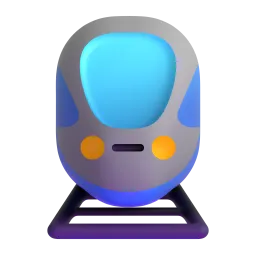
Represents train travel, whether it's a commuter train, a bullet train, or a freight train. It can symbolize efficiency or delays, depending on the context. Apple's version often shows a more classic train design.
Specifically represents subway or metro travel, often used in urban contexts. It signifies underground transportation and can be associated with crowded conditions. The color scheme varies across platforms.
Represents cycling as a mode of transportation, often associated with eco-friendliness and fitness. It can indicate a healthy commute or recreational cycling. The bicyclist's gender and clothing can vary between platforms.
Represents walking as a mode of transportation or exercise. It can indicate a short commute or a leisurely stroll. The person's gender and clothing can vary between platforms.
Represents traffic conditions and can indicate delays or congestion. It's often used to express frustration with slow commutes. The light sequence may differ slightly across platforms.
Noto Animated
Apache 2.0
Noto Animated
Apache 2.0
ℹ️ All images shown are from open-licensed sources (Apache 2.0, MIT, CC-BY 4.0, CC BY-SA 4.0) and are free to use.
Copy and share
Use emojis that accurately reflect your commuting experience. A happy face with a bicycle suggests a pleasant ride, while a weary face with a car indicates a stressful drive.
Be mindful of how emojis appear on different platforms. A train emoji on Apple might look different on Android, potentially altering the message's tone.
Combine multiple emojis to create a more detailed picture of your commute. For example, '🚗🚦😩' effectively conveys frustration with traffic.
Avoid overusing emojis. Too many emojis can make your message difficult to read and understand. Use them strategically to enhance your message, not overwhelm it.
While most transportation emojis are universally understood, be aware that cultural interpretations can vary. For example, the perception of public transportation can differ between countries.
This content was created with AI technology, enriched with Unicode Consortium data and community contributions. AI Disclosure →